
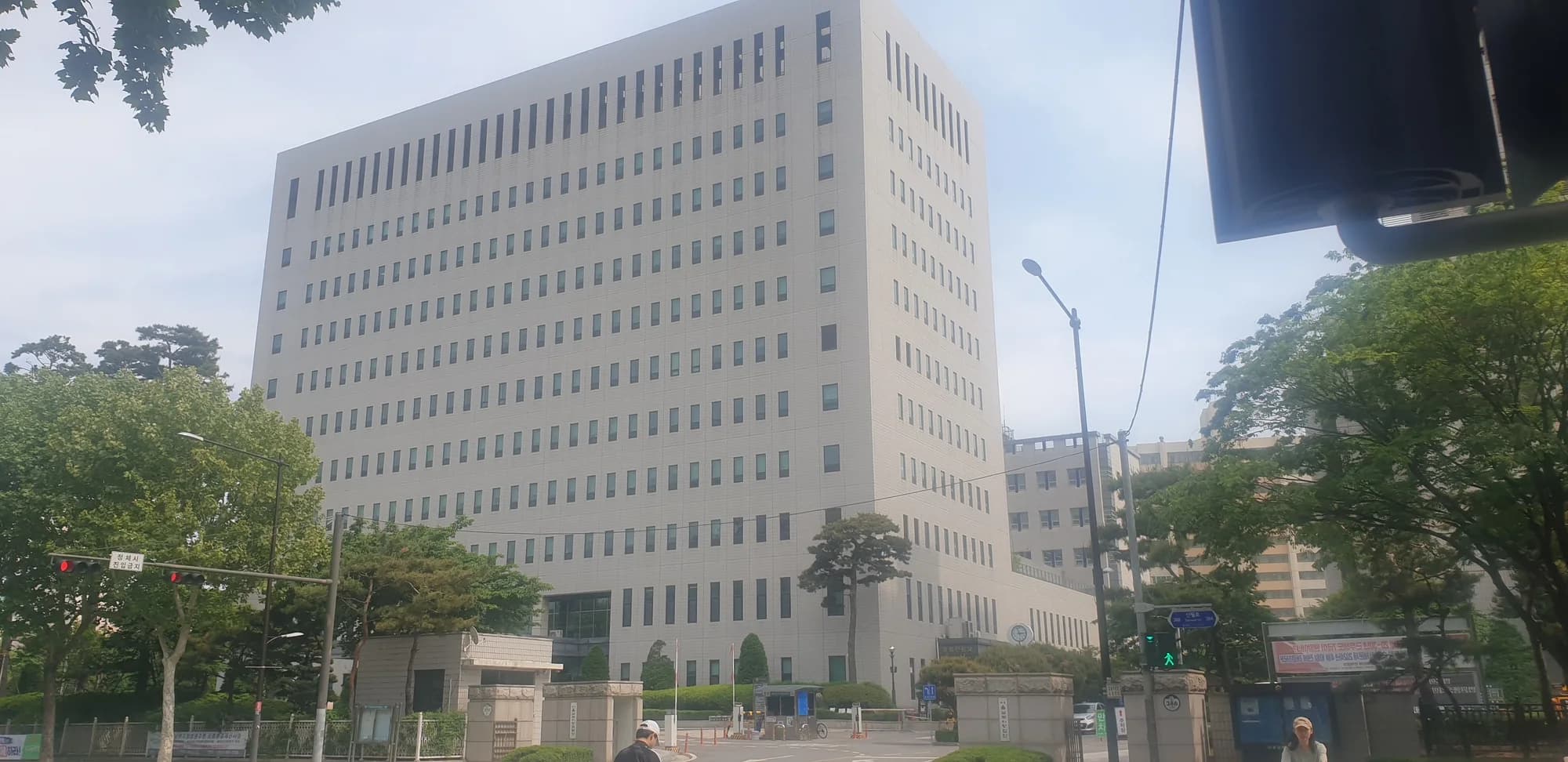
The HYBE IPO investigation has crossed a procedural line. On September 3, 2026, the Seoul Metropolitan Police Agency referred HYBE founder and chair Bang Si-hyuk and four other people to the Seoul Southern District Prosecutors’ Office without detention.
Police are asking prosecutors to pursue charges under South Korea’s Capital Markets Act. That is a serious escalation—but it is not an indictment, a trial result or a finding that anyone committed a crime.
The Case Moved Forward on September 3
Yonhap reported the referral at 12:58 p.m. KST, citing the Seoul Metropolitan Police Agency. The Associated Press later reported that both the police agency and the Seoul Southern District Prosecutors’ Office confirmed the handoff.
The five people include HYBE executives and private-equity-fund officials, according to the reporting. Police applied the Capital Markets Act category commonly translated as fraudulent unfair trading.
“Without detention” is important. Bang was not taken into custody when the case was transferred. Prosecutors had rejected two earlier police requests for an arrest warrant, saying the record did not establish sufficient grounds for detention and asking for more investigation.
That earlier decision concerned whether Bang should be held while the case proceeds. It did not end the underlying investigation.
What Police Allege Happened Before the Listing
The allegation reaches back to 2019, before the company then known as Big Hit Entertainment went public.
Police say Bang and others told existing investors that an initial public offering was not planned, leading them to sell shares to a private equity fund that Bang allegedly helped establish. Investigators say the fund’s investors were told that an IPO was being prepared.
After the company listed, police allege that the shares were sold and that Bang received part of the proceeds through a profit-sharing arrangement. Yonhap put the alleged illegal profit identified by police at 263.1 billion won. AP described an earlier police estimate of around 200 billion won connected to a side agreement promising Bang 30% of post-IPO stock-sale profits.
Those figures should not be flattened into one interchangeable number. The reports describe them with different scope and timing, and neither is a court-established amount.
Referral Is Not Indictment
Here is the procedural distinction that matters most: police referral asks prosecutors to decide what happens next.
Prosecutors can review the file, seek additional investigation or bring charges. AP reported that prosecutors could request more police work instead of indicting immediately. Until prosecutors make that decision, headlines saying Bang “was charged” or “will go on trial” go beyond the confirmed facts.
The same caution applies to the allegations. Police have stated their theory of how the pre-IPO share sales worked. A court has not tested that theory at trial, and no conviction has been entered.
Bang’s Lawyers Say the Process Will Clear the Questions
Bang’s legal team said it had consistently responded with objective evidence and facts. In the statement reported by AP, the team said it expected the allegations to be resolved fully and transparently through the legal process.
HYBE has denied wrongdoing on Bang’s behalf. The response does not settle the factual dispute; it establishes the defense position readers need alongside the police allegations.
That balance matters especially in a story attached to one of K-pop’s most visible companies. BTS belongs to HYBE’s label system, but the police case described here concerns alleged conduct surrounding corporate shares and the IPO—not the group members or their music.
Why an IPO Dispute Is a K-Pop Industry Story
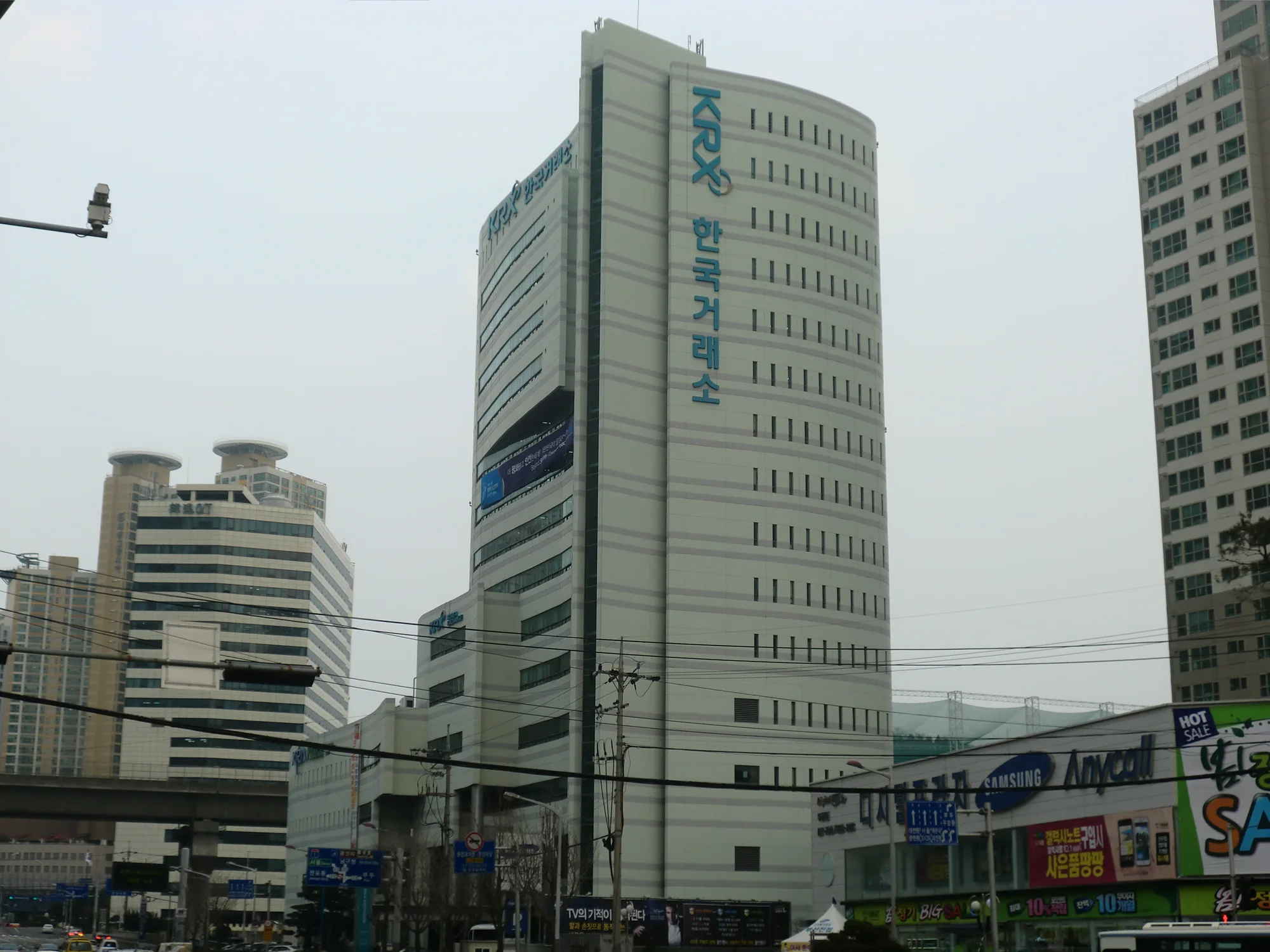
An IPO turns shares in a private company into stock that can be offered and traded publicly. Korea Exchange guidance shows that the process includes listing review, securities registration, pricing, subscription and final listing steps intended to support disclosure and investor protection.
The police theory focuses on what different groups of investors were allegedly told before those public steps. That is why the case is being handled as a capital-markets matter rather than a dispute over HYBE’s artists or releases.
HYBE’s scale makes the outcome relevant beyond one executive. The company sits at the center of a multi-label K-pop business with global investors, artists and partnerships. A prosecution decision could shape scrutiny of its governance, but today’s referral does not by itself change any artist contract, release plan or concert schedule.
What Happens at the Prosecutors’ Office Now
The next confirmed milestone will come from the Seoul Southern District Prosecutors’ Office: an indictment, a request for supplementary investigation or another formal disposition.
Until then, three facts can coexist without contradiction. Police believe the evidence supports prosecution. Bang denies wrongdoing. Prosecutors have not yet made the charging decision.
That is the clearest reading of the September 3 development—and the line to keep in view as faster, louder versions of the story spread.