A paycheck sent somewhere the worker did not choose. A loan carrying crushing interest. A phone available to one crew member but withheld from another because of nationality.
Each can look like a separate workplace problem. From September 3, 2026, South Korean officials have a more specific reason to examine them together: they are now named as possible signs of human trafficking and forced labor in the fishing industry.
The Ministry of Gender Equality and Family revised Korea's official victim-identification indicators with the Ministry of Oceans and Fisheries. The aim is practical—help investigators and inspectors recognize coercion in distant-water fishing, coastal fishing, aquaculture and salt-farm work before an isolated worker disappears from view.
September 3 Turned a General Checklist Into a Fishing Tool
Korea already had an official index for identifying and protecting trafficking victims. Under Article 13 of the country's anti-trafficking law, it gives front-line officials an objective framework to use during investigations and inspections.
The September revision does not replace that framework. It makes it more precise for work that can happen far from ordinary oversight—on vessels at sea, at remote aquaculture sites and in salt farms.
That distinction matters. A generic question about whether a worker is “free to leave” may miss the mechanics of control at sea. A fisher can be technically off the vessel yet unable to get home, unable to contact anyone privately or trapped by a debt tied to recruitment and employment.
The New Red Flags Are Concrete, Not Abstract
The ministries grouped the new detail around conduct that inspectors may actually encounter.
Economic control can include forcing wages into a third party's account, binding a worker to a high-interest loan, or refusing to cover the trip home when a worker disembarks somewhere other than the agreed place.
Physical or emotional control can include demanding repayment from a worker's family, detaining someone before they board a return vessel, or restricting access to communication devices aboard ship on the basis of nationality.
The revised indicators also identify nationality-based differences in working conditions or access to hygiene and health facilities as possible evidence of exploitation. Using a threatened refusal to extend a contract to force someone to accept unfair treatment is now spelled out as another warning sign.
These are indicators, not a declaration that every poor condition is trafficking. Their purpose is to help officials ask the next questions in a setting where coercion may be disguised as a debt, a transport arrangement or an ordinary workplace rule.
Isolation Changes How Control Works
At an office or factory, a worker may be able to walk outside, speak to family or reach a public agency. Fishing work can remove all three options at once.
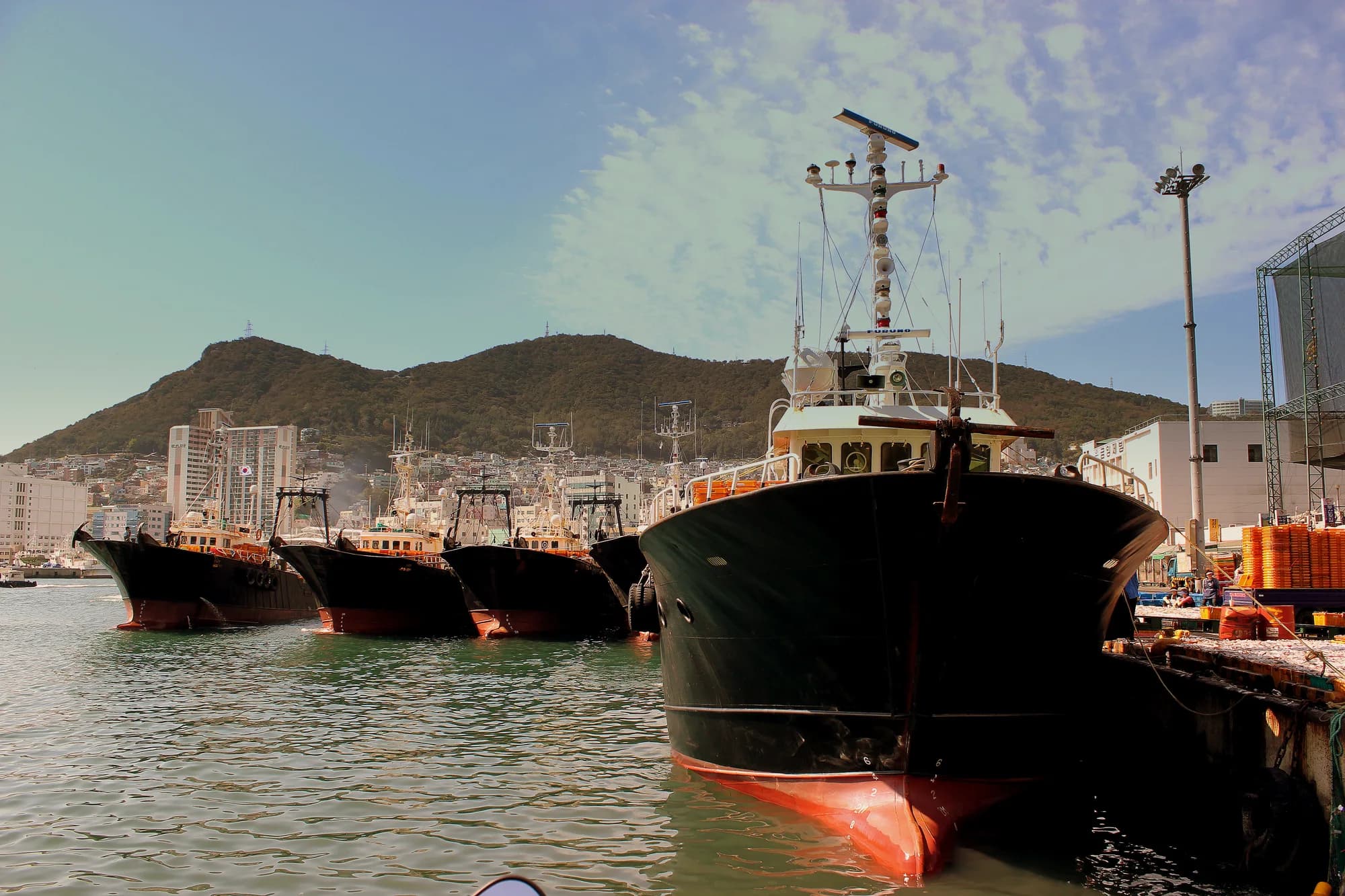
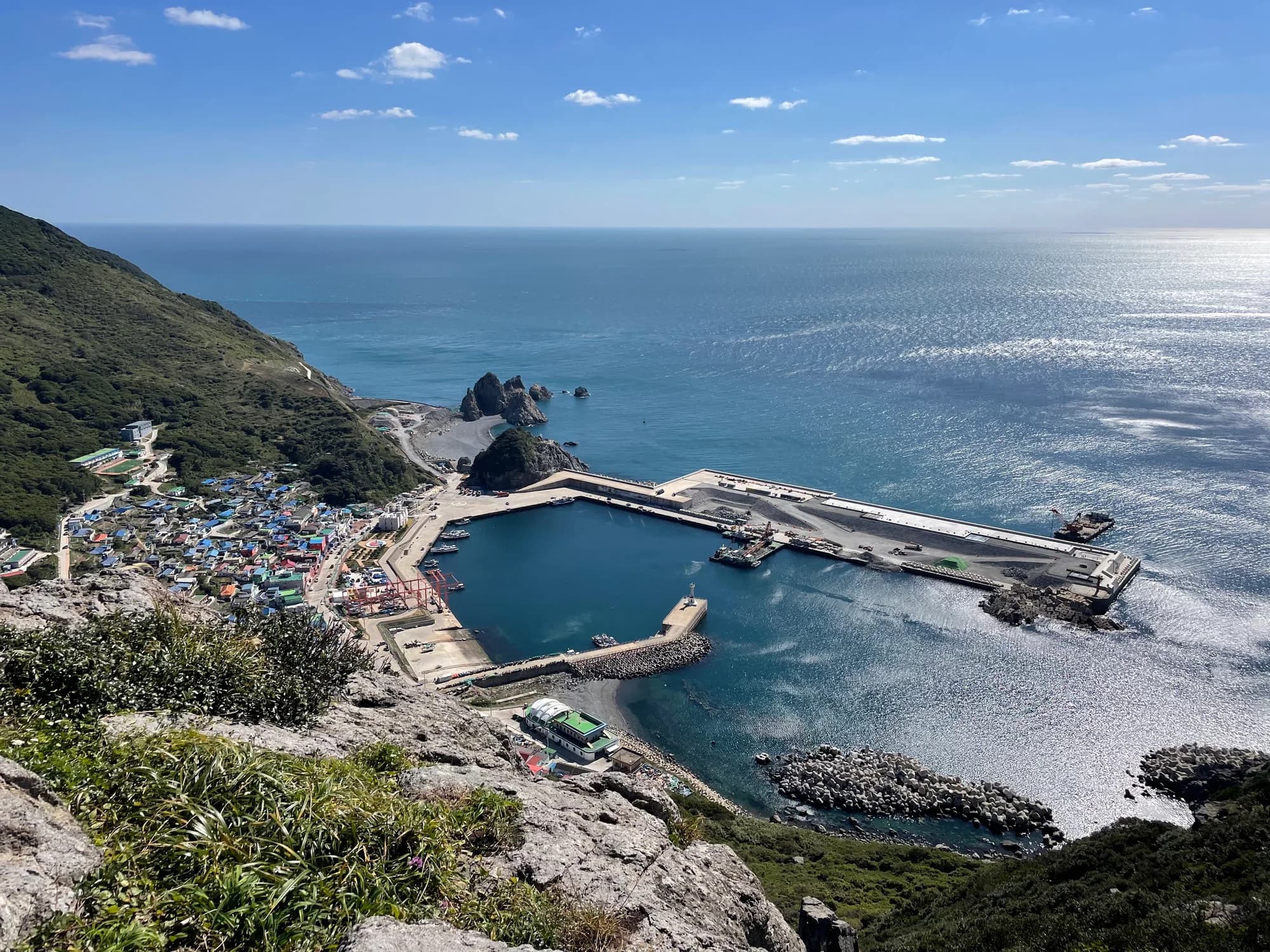
The ministries explicitly pointed to vessels and remote workplaces as environments where harm is harder to see from outside. Distant-water crews may spend long periods away from port. Even coastal workers can face language barriers, dependence on recruiters and housing or transport controlled by an employer.
This is why the revised screen pays attention to communication, travel and debt—not only visible violence. Control over a phone, a journey home or a family's finances can limit a person's choices without a locked door.
The 2025 U.S. Trafficking in Persons report had similarly said Korea's broader identification index lacked adequate fishing-specific labor-trafficking indicators. Korea's ministries describe the new revision as a response to that recommendation, developed with input from civil-society groups and seafarers' unions.
Consent Does Not Cancel Victim Protection
One sentence in the revision is especially important: a person can still receive legal protection even if they appeared to agree to the exploitative arrangement beforehand.
That addresses a common misunderstanding about coercion. A migrant worker may accept a job, sign a contract or agree to a debt and later face conditions that restrict genuine choice. Prior consent does not automatically erase what happens next.
The guidance also says protection should not disappear simply because a victim committed an offense during the trafficking process. Whether an individual qualifies for protection still requires case-specific assessment, but officials are being told not to stop at the surface facts.
What the Revision Can—and Cannot—Change
A better checklist can make an overlooked pattern visible. It can give a coast-guard officer, labor inspector or other official clearer grounds to separate a worker from a supervisor, ask about debt and communication, and refer a potential victim for help.
But wording alone does not guarantee detection. The real test is whether workers can answer privately, in a language they understand, without retaliation—and whether agencies follow a warning sign with protection and investigation.
The U.S. report covering 2024 noted that Korean officials screened more people and identified more potential trafficking victims than the year before. It also said inspectors interviewed migrant fishers whose passports had been withheld but did not identify a confirmed labor-trafficking victim among them, while NGOs continued to question whether screening conditions allowed workers to speak freely.
That context makes the September change meaningful without making it a victory lap. Korea has written fishing's distinctive risks into the official tool. Implementation will show whether those words travel from Seoul to the deck, dock and remote worksite.
The Next Evidence Will Come From the Field
For now, the clearest change is the vocabulary officials are expected to use. Forced labor is not limited to chains or overt threats. It can operate through a bank account, a recruitment loan, a withheld trip home, unequal access to a phone or the pressure of a contract extension.
If inspections begin documenting those patterns consistently—and potential victims can speak safely—the revision could close a gap that international monitors and Korean civil society had repeatedly identified.
The policy took effect on September 3. The next question is no longer whether Korea has a fishing-specific screen. It is whether that screen helps officials find people whom a general checklist missed.