Four concerts can take over a stadium. BTS Week takes over the calendar.
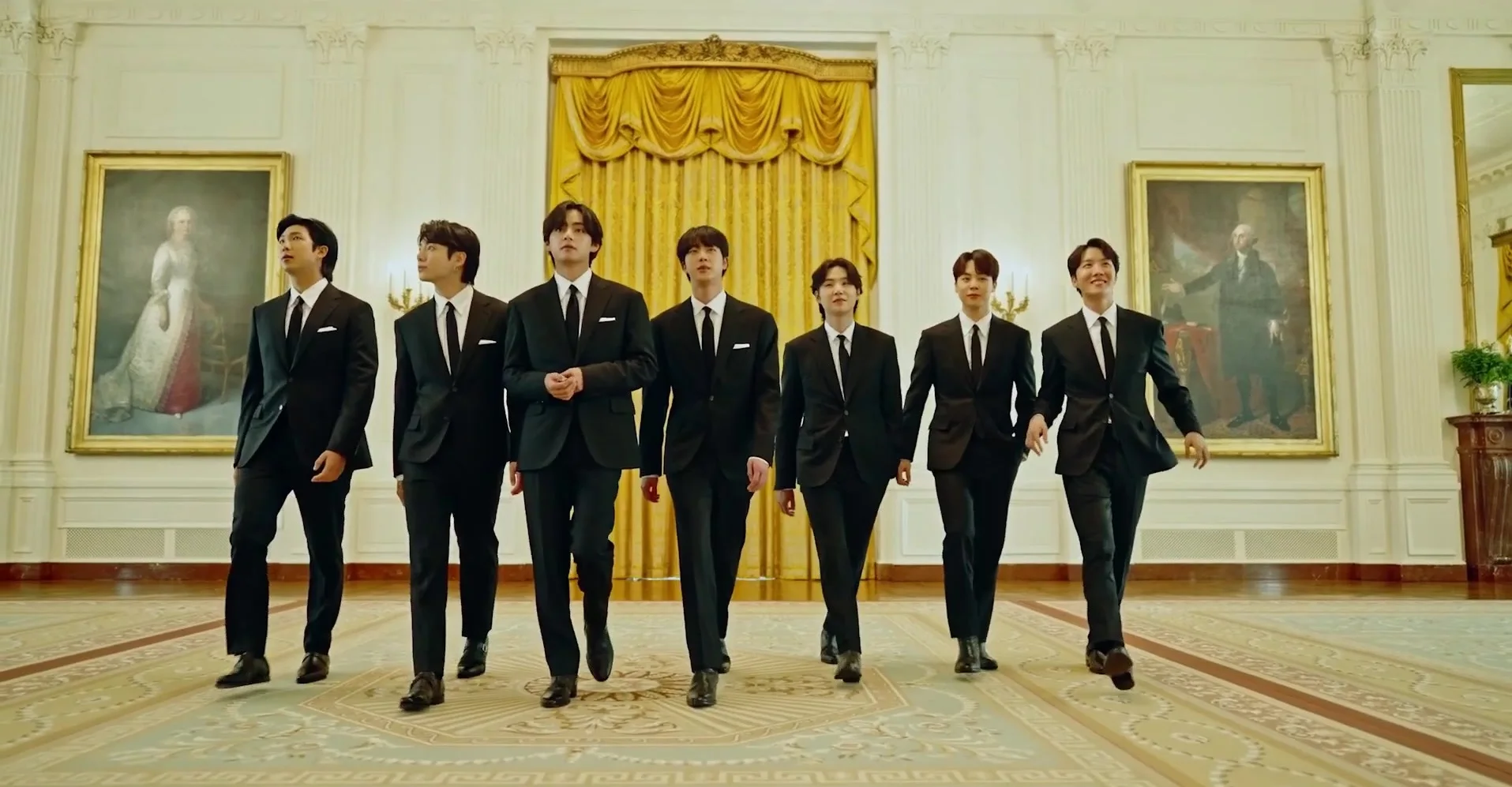
Los Angeles has officially designated September 1 through September 8, 2026 as “BTS Week,” timed to BTS’s four-night return to SoFi Stadium. City Hall is also set to glow red on September 1, matching the key color associated with the group’s fifth studio album, ARIRANG.
So why did a city government turn a concert stop into a civic occasion? The short answer is that Los Angeles is recognizing more than ticket sales. The proclamation places BTS at the intersection of global pop, Korean American history, cultural exchange and the very practical power of thousands of fans arriving in one city at once.
First, What Did Los Angeles Actually Declare?
The city held an official proclamation ceremony at Los Angeles City Hall on August 31. City Council members, tourism officials and BigHit Music representatives attended, according to reports based on the agency’s announcement.
The designation covers eight days, beginning with the first SoFi Stadium show on September 1 and continuing through September 8. BTS performs at the stadium on September 1–2 and September 5–6; SoFi’s own visitor page confirms four nights and an 8 p.m. start time.
Mayor Karen Bass framed the proclamation around the ability of art and culture to build mutual understanding and connect communities. Councilmember John Lee connected it more specifically to Los Angeles’s long relationship with Korea and its Korean American community.
That distinction matters. “BTS Week” is celebratory, but it is not a new legal holiday, a school closure or eight consecutive concerts. It is an official city recognition built around the group’s visit and cultural impact.
The Stadium Explains the Scale—Not the Whole Honor
SoFi Stadium is not a symbolic little venue. BTS is returning for four shows in one of the Los Angeles region’s biggest event spaces, and reporting on the proclamation says all four dates sold out in advance.
The group last staged its own concerts there in December 2021 with Permission to Dance On Stage — LA. The 2026 dates therefore carry the feeling of a major return: BTS back as a seven-member touring act, back at the same stadium and now arriving with an official week named for them.
Yes, the economic footprint is part of the story. Concert visitors book rooms, eat, shop, use transportation and spend time across the region. A weeklong designation lets the city and its tourism sector welcome that audience as visitors, not just ticket holders.
But a sold-out run alone does not explain the language used by the city. The proclamation describes BTS as artists who helped open paths for Korean and Asian performers in the global music industry and whose messages crossed languages, cultures and generations. The honor turns commercial scale into a statement about representation.
Why Los Angeles Makes This Especially Meaningful
If this happened in almost any major American city, it would still be news. In Los Angeles, it has another layer.
The city is home to one of the most visible Korean diasporic communities in the United States, with Koreatown serving as a cultural and commercial center whose meaning extends well beyond neighborhood boundaries. Korean food, film, television, beauty and music are already part of the city’s everyday cultural map.
That makes BTS Week a two-way gesture. Los Angeles is welcoming a global Korean act and the international ARMY traveling to see them. At the same time, it is acknowledging a local history of Korean American life and exchange that existed long before K-pop became a stadium business.
Red City Hall Is a Visual Welcome, Not Album Advertising
The red illumination planned for City Hall gives the week an instantly shareable image. BigHit Music described it as an official welcome and gesture of friendship toward BTS and visiting fans, with the color tied to ARIRANG.
That visual choice also shows how cities now communicate cultural recognition. A proclamation can sit in a government record; a landmark in an artist’s color can travel around the world in seconds.
The safest reading is the simplest one: Los Angeles is using one of its best-known civic symbols to make the welcome visible. It should not be confused with the city endorsing an album, product or private company.
This Is What Cultural Power Looks Like at City Scale
BTS Week is part honor, part hospitality strategy and part cultural diplomacy.
For fans, it validates the scale of a relationship they have spent years building across language and distance. For the city, it is a way to recognize visitors, local Korean American ties and a cultural event with global attention. For the wider music industry, it is another marker of how far Korean pop has moved from being treated as a niche import.
The most revealing part is not that BTS can sell four nights at SoFi. We already know the group can fill stadiums. It is that Los Angeles chose to explain those concerts through the language of community, cultural exchange and shared identity.
That is why the name on the calendar matters. “BTS Week” says the city sees this moment not only as a show coming to town, but as culture arriving with people, history and a worldwide community attached.
OFFICIAL VENUE GUIDEPlan for BTS at SoFi StadiumCheck the venue’s official schedule, entry times, transport and bag policies for all four Los Angeles shows.OPEN SOFI STADIUM GUIDE