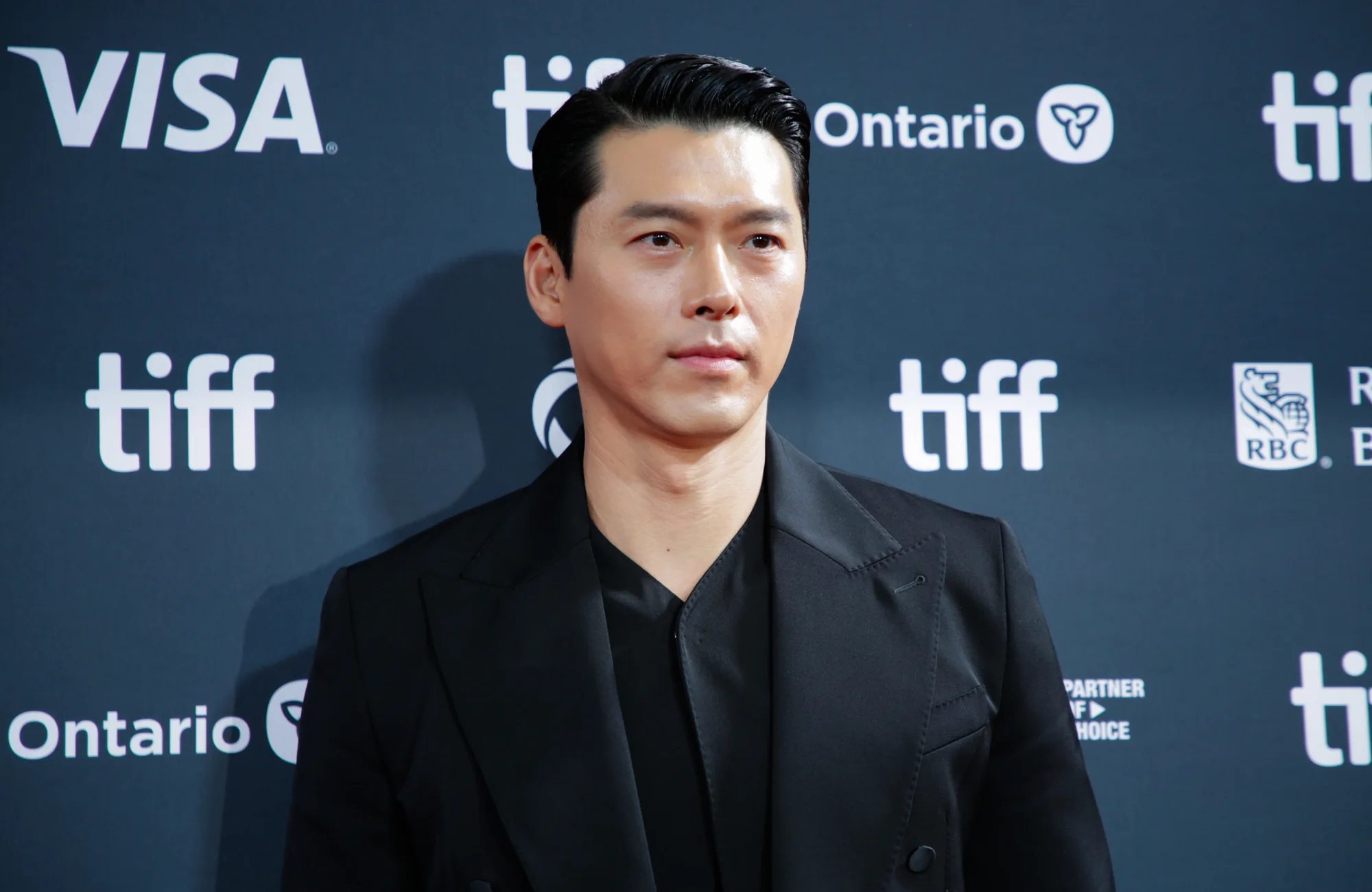
“Made in Korea” is returning on September 9, but Season 2 is not simply restarting the pursuit where viewers left it. The Disney+ crime thriller jumps nine years forward to 1979, gives its power players new positions, and turns six episodes into one continuous confrontation.
Hyun Bin returns as Baek Ki-tae, the intelligence agent and businessman whose appetite for power has only grown. Jung Woo-sung is back as prosecutor Jang Geon-young, now driven as much by revenge as by justice. Woo Do-hwan’s Baek Ki-hyun stands between them with convictions of his own.
The Story Jumps Straight to 1979
The first season built its fictional crime story in the political and economic turbulence of 1970s South Korea. Season 2 lands near the upheaval surrounding the December 12, 1979 military coup, after the assassination of the president has opened a power vacuum.
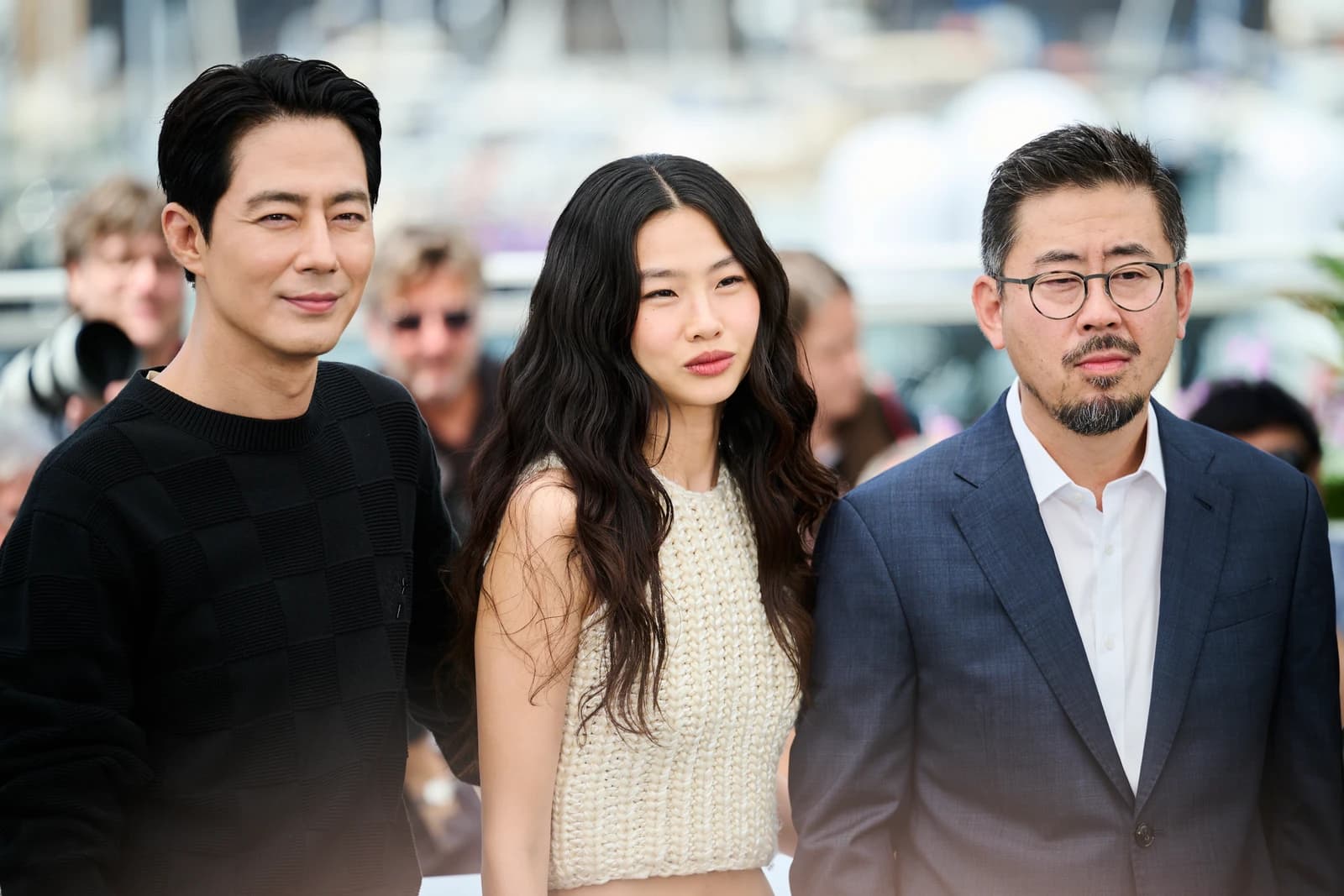
Director Woo Min-ho stressed at the September 2 press conference that the leads are fictional characters operating around historical events. The series is not a documentary reconstruction and should not be used as a substitute for a history source.
That creative distance gives the drama room to ask a different question: what do ambitious people do when the system around them suddenly loses its center?
Six Chapters, One Continuous Collision
Season 1 could move through distinct episode-level operations. Woo says the second season is structured as a single rush from Episode 1 through Episode 6.
That change matters for pacing. A continuous arc leaves less room for a case to reset at the end of an hour. Alliances, betrayals and consequences can carry directly into the next episode.
Ki-tae Has More Power and Less Room
Nine years have lifted Baek Ki-tae higher inside the machinery of power. Hyun Bin described him as wealthier and more influential, but also more isolated as competing factions close in.
The contradiction is useful drama fuel. Ki-tae has spent the series treating institutions as tools; Season 2 places him inside a moment when those institutions are unstable. His status protects him, but it also makes him a larger target.

Geon-young Returns With Revenge in the Driver’s Seat
Jang Geon-young has also changed. The prosecutor once framed primarily through public justice now returns after losing everything, pursuing Ki-tae with a deeply personal need to bring him down.
Jung Woo-sung described the character as sliding from justice toward self-justified revenge. That makes the rematch less clean than hero versus villain. Geon-young may be chasing a dangerous man, but the pursuit can still deform the person doing the chasing.
Baek Ki-hyun complicates the binary. Woo Do-hwan said the younger man is more decisive after the time jump and clearer about what he wants to protect. His choices can redirect the fight rather than merely react to it.
Release Pattern: Two Episodes at a Time
Disney+ confirms the September 9 return on the official series page. SBS’s schedule report says the six episodes will arrive in pairs: Episodes 1–2 on September 9, Episodes 3–4 on September 16, and Episodes 5–6 on September 23.
Availability can vary by country, account and platform branding. Check the title page in your local Disney+ app before relying on a third-party countdown.
What Is Fictional—and Why That Matters
Season 2 borrows pressure from a real political rupture, while its central agents, prosecutors and criminal operations remain dramatized. That distinction should sharpen the viewing experience, not weaken it.
Viewers can watch how the show uses 1979—its uncertainty, institutional violence and scramble for control—while keeping real historical claims separate from the thriller’s inventions. The series is promising a bigger battle. Its more interesting promise is a morally messier one.