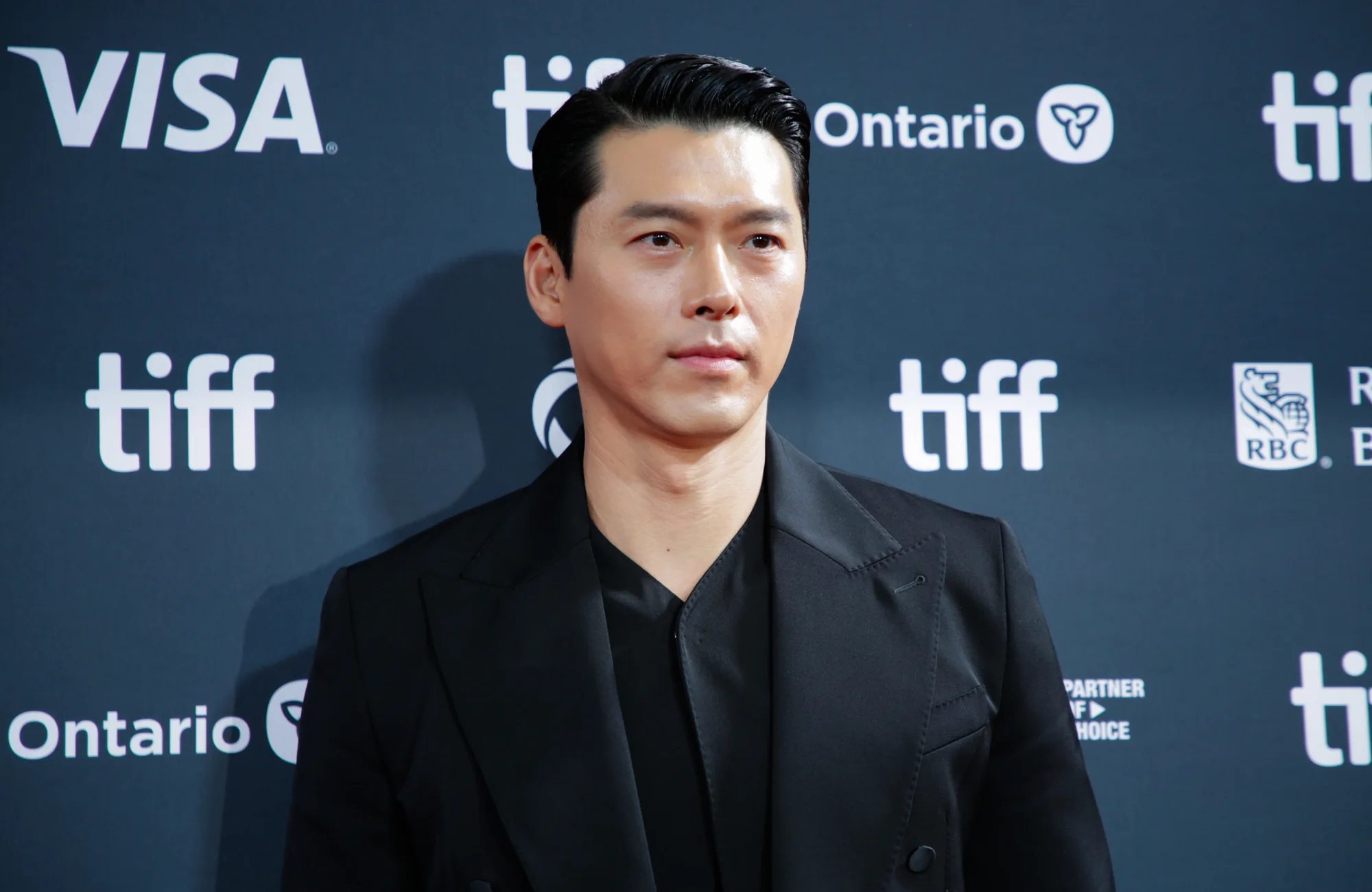
Seong Gi-hun — played by Lee Jung-jae and known as Player 456 — is Squid Game’s moral pressure point. He begins as an indebted, divorced gambler trying to repair a damaged relationship with his daughter. By the series’ final season, he has become a survivor determined to destroy the game that profited from desperate people. His story is not a straight line from failure to heroism: it is a fight against shame, grief, rage, and the temptation to decide that other people are expendable.
Spoiler note: The first half of this profile discusses Gi-hun’s premise and emotional world with broad Season 1–2 spoilers. The final section contains major spoilers for the ending of Squid Game Season 3.
Player 456 starts as a father who has failed his responsibilities
Netflix introduces Gi-hun as a struggling divorced gambler who enters the games in part to preserve his relationship with his estranged daughter, Ga-yeong. He is not framed as a conventional competent-provider hero. He is late, unreliable, impulsive with money, and painfully aware that his former wife and her new family can offer his daughter more stability than he can. (netflix.com)
That makes his debt more than a plot device. It becomes evidence, in Gi-hun’s own eyes, that he has failed in roles he believes he should have fulfilled: father, son, and financially responsible adult. The series does not say that every Korean family judges failure in the same way. But Korean social research has described familialism — the strong expectation that families will carry responsibilities for income security, care, and children’s futures — as a significant force embedded in South Korean institutions and social norms. That context helps explain why Gi-hun’s money problems feel not merely private, but humiliatingly relational. (kci.go.kr)
His mother’s care, his daughter’s trust, and the debts he cannot repay all pull in different directions. Gi-hun’s tragedy is that he loves people while repeatedly making choices that let them down.
Debt shame and chemyeon: more than embarrassment
A useful Korean lens for reading Gi-hun is chemyeon (체면), often rendered in English as “face”: one’s socially recognized dignity, standing, or ability to appear respectable before others. It should not be used as a blanket explanation for Korean behavior, nor does the show diagnose Gi-hun with a single cultural motive. Still, it clarifies why the character’s losses sting so intensely.
Gi-hun is not simply short of cash. He is seen borrowing, being chased by creditors, hiding the extent of his crisis, and failing to buy his daughter an appropriate birthday gift. His shame is public, physical, and interpersonal. The humiliations surrounding the recruiter’s ddakji game are crucial: a small cash wager turns into repeated slaps because Gi-hun cannot pay. The scene makes debt into a spectacle of lowered status before it becomes a route into the larger nightmare. (netflix.com)
Yet Squid Game refuses the easy moral lesson that shame makes someone morally weak. Gi-hun’s shame leaves him vulnerable to recruitment, but it also gives him a sharpened awareness of other players’ desperation. He recognizes people as more than their worst financial decision because he knows how quickly a person can be reduced to one.
Jeong is the bond Gi-hun cannot switch off
Another word that can illuminate Gi-hun is jeong (정). The term cannot be cleanly translated into one English word. Depending on context, it can evoke accumulated affection, attachment, fellow-feeling, and bonds formed through sustained shared life. The Encyclopedia of Korean Culture notes that jeong has meanings and uses that developed beyond a narrow psychological definition; it can also carry moral and social weight. (encykorea.aks.ac.kr)
Gi-hun’s strongest decisions are often driven by this kind of attachment rather than calculation. His connection to childhood friend Cho Sang-woo is not erased by betrayal, and Ali Abdul’s character story makes the cost of Sang-woo’s choices especially clear. His concern for Kang Sae-byeok’s brother and his commitment to Sang-woo’s mother become ways of carrying the dead into the world outside the game. Netflix’s recap confirms that, after winning Season 1, Gi-hun places Sae-byeok’s brother with Sang-woo’s mother and gives her half the prize money. (netflix.com)
That choice matters because it is not a neat act of redemption. It is an obligation Gi-hun takes on after surviving people he could not save. His wealth is therefore inseparable from the relationships destroyed to produce it.
Survivor guilt turns a winner into a witness
Gi-hun wins 45.6 billion won in Season 1, but victory does not restore him. Netflix describes him as wracked by debilitating survivor’s remorse, and Season 2 finds him consumed by memories of the players’ deaths and by the need to find the people who built the games. (netflix.com)
His refusal to board the plane at the end of Season 1 is often read as an action-hero turn. Emotionally, it is closer to a refusal to accept a private escape. Gi-hun could use his money to pursue a life with his daughter in the United States. Instead, he turns back toward the system that killed people whose names and needs he still carries.
This is where his failed fatherhood changes shape. Gi-hun cannot undo the absences in his daughter’s life. But his decision to return to the games suggests an enlarged, damaged sense of responsibility: if he has survived, then he believes he owes something to the people who will be recruited next.
The Front Man wants Gi-hun to surrender his belief in people
Gi-hun’s real antagonist is not only the game’s machinery. It is the Front Man’s worldview.
The Front Man, In-ho, treats the game as proof that people will betray, kill, and commodify one another when enough money is at stake. He repeatedly places Gi-hun in situations designed to destroy his faith in solidarity. In Season 2, In-ho enters the game disguised as Player 001, “Young-il,” gains Gi-hun’s trust, and helps crush Gi-hun’s rebellion. Season 3 turns their conflict into what Netflix describes as a moral or psychological duel: the Front Man expects Gi-hun to become like him. (netflix.com)
Gi-hun is no saint. He can be angry, reckless, and consumed by guilt. But his defining distinction is that he continues to see moral choice where the Front Man sees only inevitable self-interest. He cannot accept the game’s vocabulary of winners, losers, and racehorses because he has known the people inside the numbered tracksuits.
Their conflict is therefore philosophical as much as personal. The Front Man asks whether decency survives pressure. Gi-hun answers that it must be practiced precisely when the pressure is greatest.
Major ending spoilers: Gi-hun’s final act reframes his fatherhood
In the Season 3 finale, Gi-hun protects Jun-hee’s baby, Player 222, during the final Sky Squid Game. When the rules leave him facing an unbearable choice, he sacrifices himself so the infant can live and become the winner. Netflix’s official ending guide says creator Hwang Dong-hyuk viewed the baby as a symbol of the future generation, while Lee Jung-jae interpreted Gi-hun’s protection of her as resonating with his relationship to his own daughter. (netflix.com)
The choice does not magically absolve Gi-hun of every mistake. Nor should it be romanticized as though death is the only meaningful form of care. Within the story’s brutal moral design, however, he finally rejects the Front Man’s demand that survival must come at another vulnerable person’s expense.
His final declaration that the players are humans, not horses, returns to the insult at the heart of the series. Gi-hun entered the games after being treated as a debtor, a bad father, and a loser. He dies insisting that none of those labels erase a person’s humanity. (netflix.com)
Why Seong Gi-hun still matters
The actor behind Player 456: Lee Jung-jae
Lee Jung-jae was already one of South Korea’s most recognizable screen actors long before Squid Game. His career spans television, major Korean films including The Face Reader and Assassination, and directing with Hunt. His performance as Gi-hun brought him the Emmy for lead actor in a drama series, but the role works because he lets comedy, shame, tenderness and fury occupy the same person.
Follow the actor: Lee Jung-jae on Instagram · Netflix’s official Squid Game cast guide
Player 456 endures because he is not an immaculate symbol of goodness. He is a man marked by debt, masculinity under pressure, fractured family bonds, and the terrible privilege of being the one who lived. Concepts such as chemyeon and jeong can deepen an international viewer’s reading of his shame and attachments, but they are interpretive tools — not rules for understanding every Korean person or family.
Gi-hun’s final moral conflict with the Front Man is simple to state and hard to live: when a system tells you that other people are disposable, will you accept its terms to save yourself? His answer is costly. That is why Seong Gi-hun is more than Squid Game’s winner. He is the character who refuses to let winning be the point.