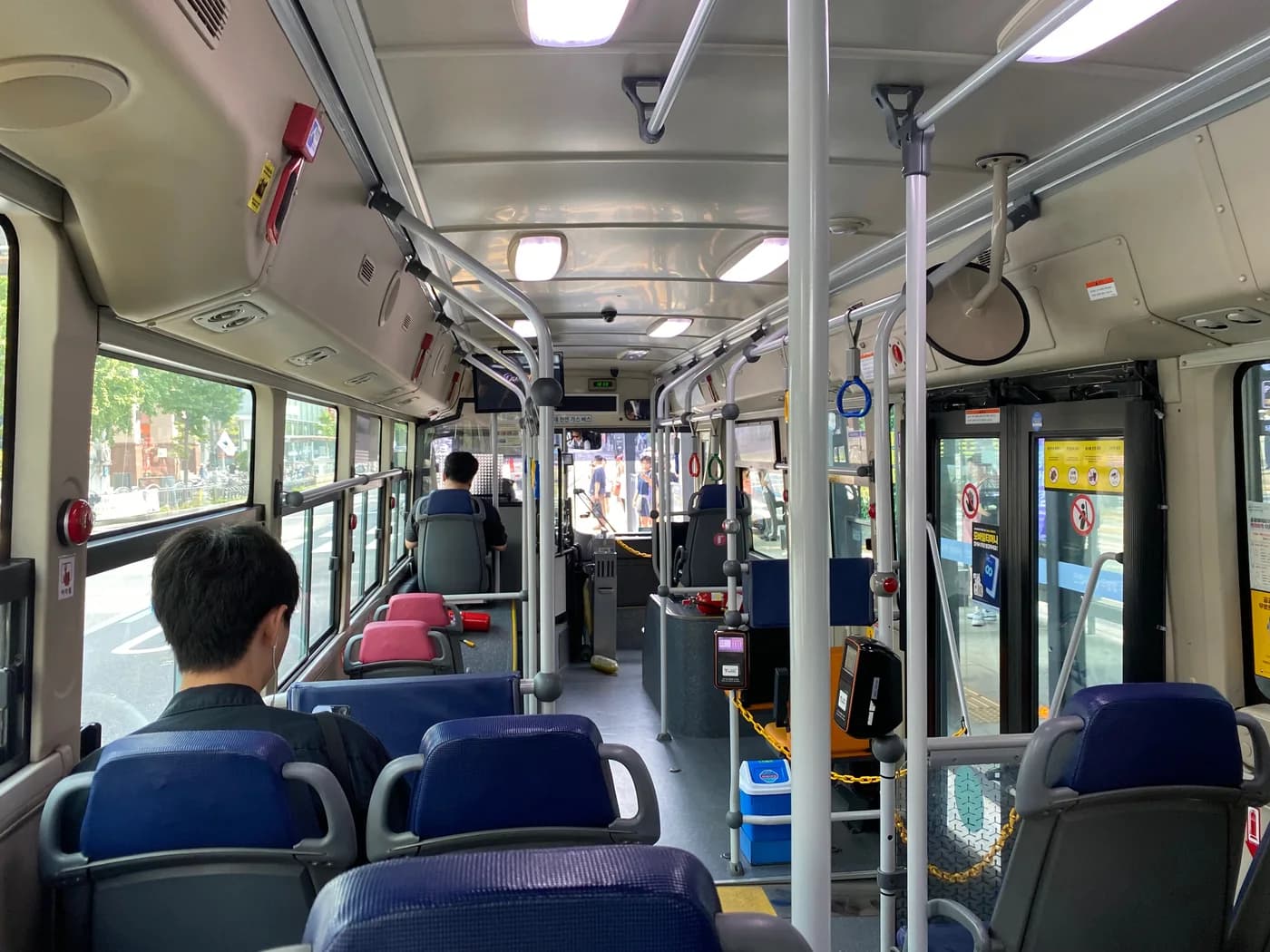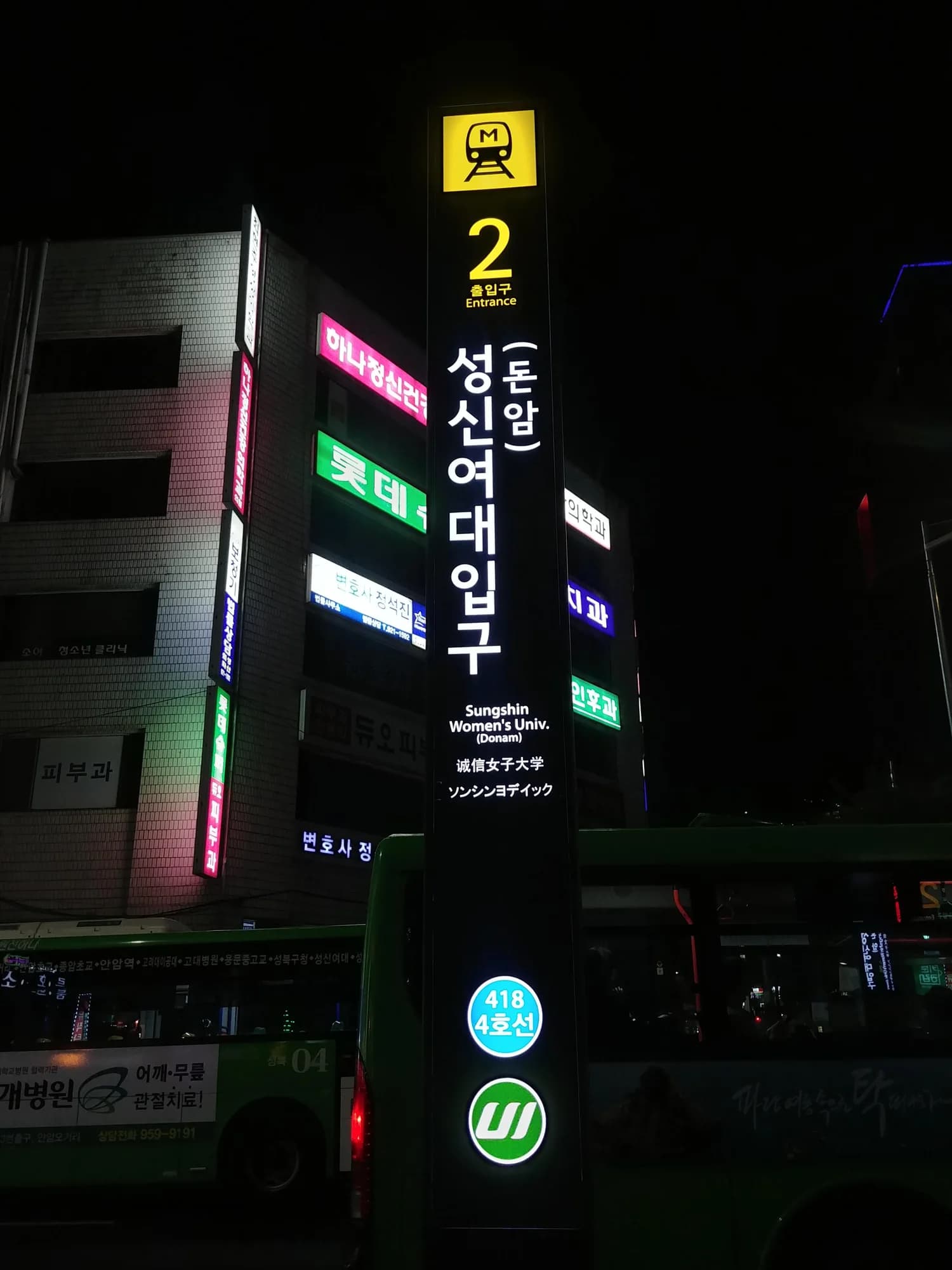
The subway entrance is still there. The train you needed is not. Before treating a taxi as your only option, look for a bus number beginning with N.
Seoul's Owl Buses (올빼미버스, olppaemi beoseu) provide a separate overnight network. They do not turn every daytime bus route into a 24-hour service. The useful question is whether an N route connects the place you are standing to somewhere sensible near your destination.
What the Current Owl Bus Table Actually Says
Seoul's Korean operating page, updated March 20, 2026 and checked for this article on September 16, lists 14 routes, an overall operating span of 11 p.m. to 6 a.m., and a standard adult card fare of ₩2,500.
Individual routes have different departure windows and gaps between buses. The broad overnight span is not a promise that every stop has buses throughout those hours. Older city articles remain useful for the service's history, but their route counts should not replace the newer operating table.
The letter N identifies the overnight service more clearly than the vehicle's paint. For the rest of the daytime network, see what Seoul bus colors mean.
A Terminal Departure Is Not Your Stop's Arrival
If a route table gives a final departure around the early morning hours, that is not automatically the last time a bus passes your intermediate stop. The bus still has a route to travel.
Check the exact stop and direction in the city's bus information service or a current transit map. Match the stop identifier and the route's upcoming stops, especially where opposite directions use nearby shelters.
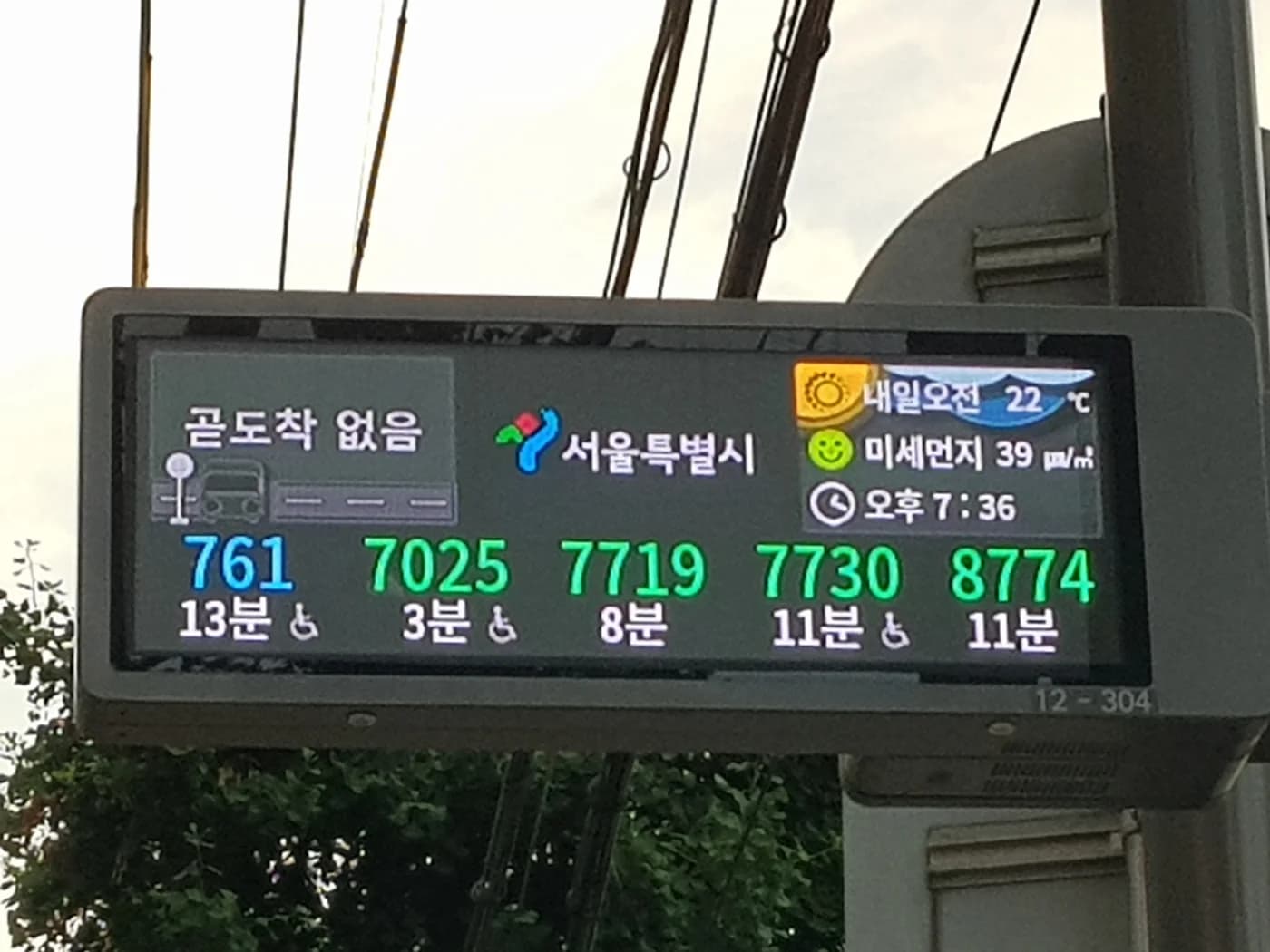
Seoul describes live night-service information through TOPIS and the information displays at stops. Use that live information alongside the published route table. Neither a saved screenshot nor a photograph of a bus display is a current arrival prediction.
Decide Whether the Whole Trip Works
Compare the walk to the boarding stop, the wait, and the final walk after you get off. An N route passing close to your starting point may still leave you far from the place you want to reach.
If a plan requires a second night bus, check that connection before starting. A late-running first vehicle and a long interval on the second can change the journey considerably. Treat a marginal connection as uncertain, not guaranteed by a line drawn on a map.
Prepare a loaded T-money card, keep your destination saved, and use the usual boarding and exit taps. Check special-pass coverage separately instead of assuming every product works on every overnight route.
When a Taxi Is the Better Remaining Option
If no useful N route is approaching, compare a taxi with the full wait-and-walk option. Our Seoul taxi colors guide helps distinguish service types; check the actual service and fare information before choosing.
Make that choice while you can still compare both routes. Owl Buses extend the city's transport options, but they are most useful when you plan a complete trip rather than simply board the first N bus you see.
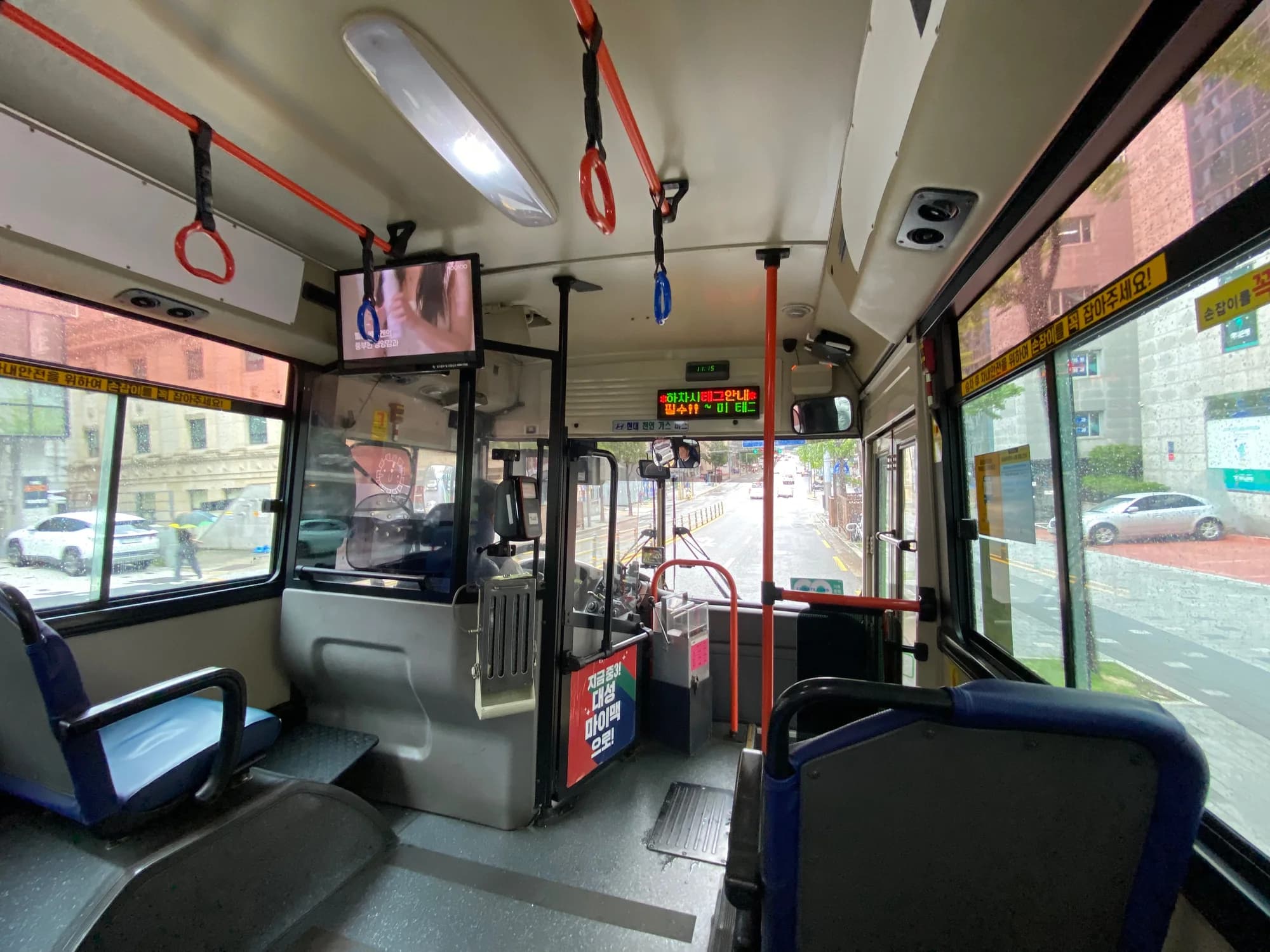
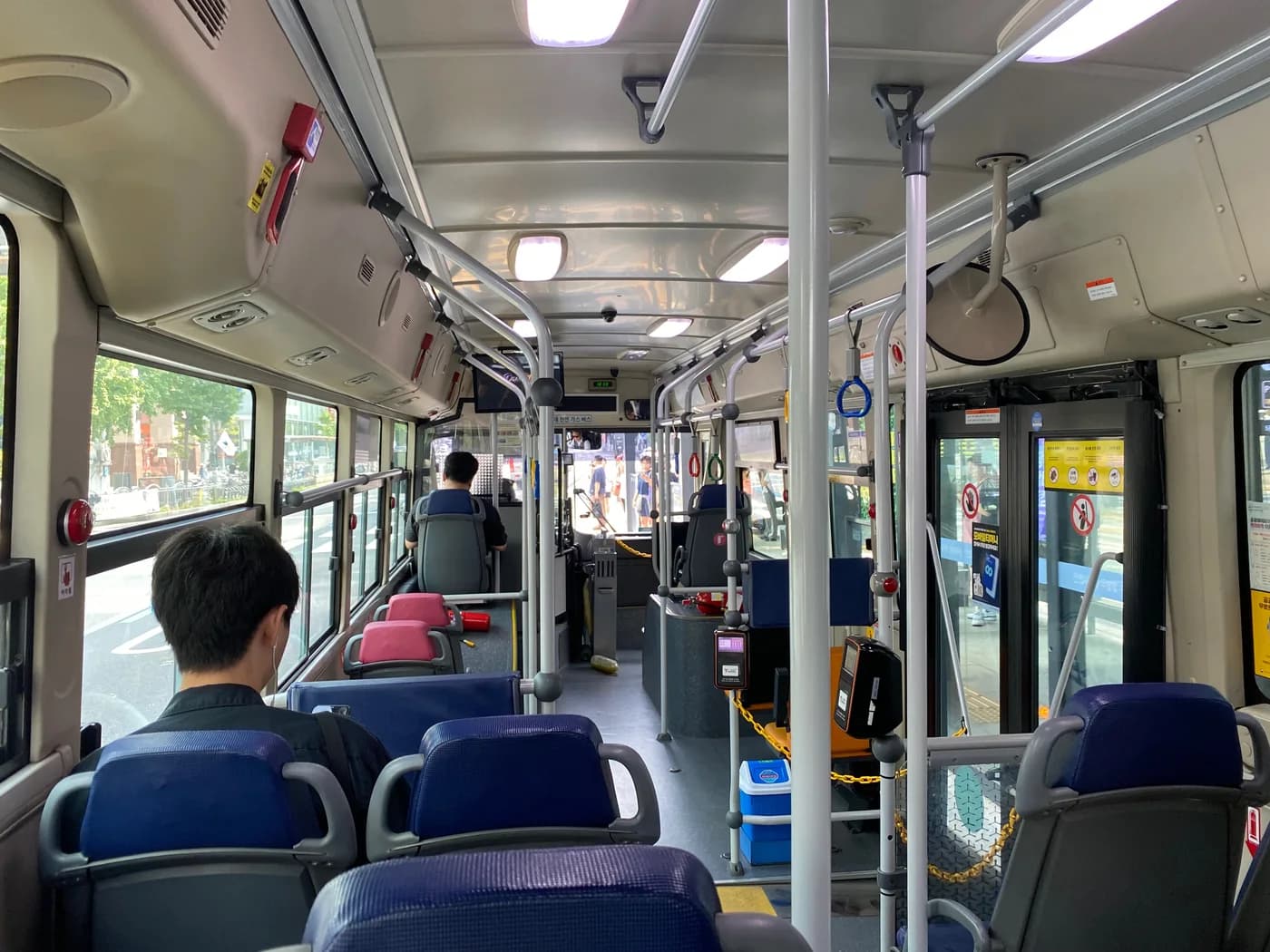
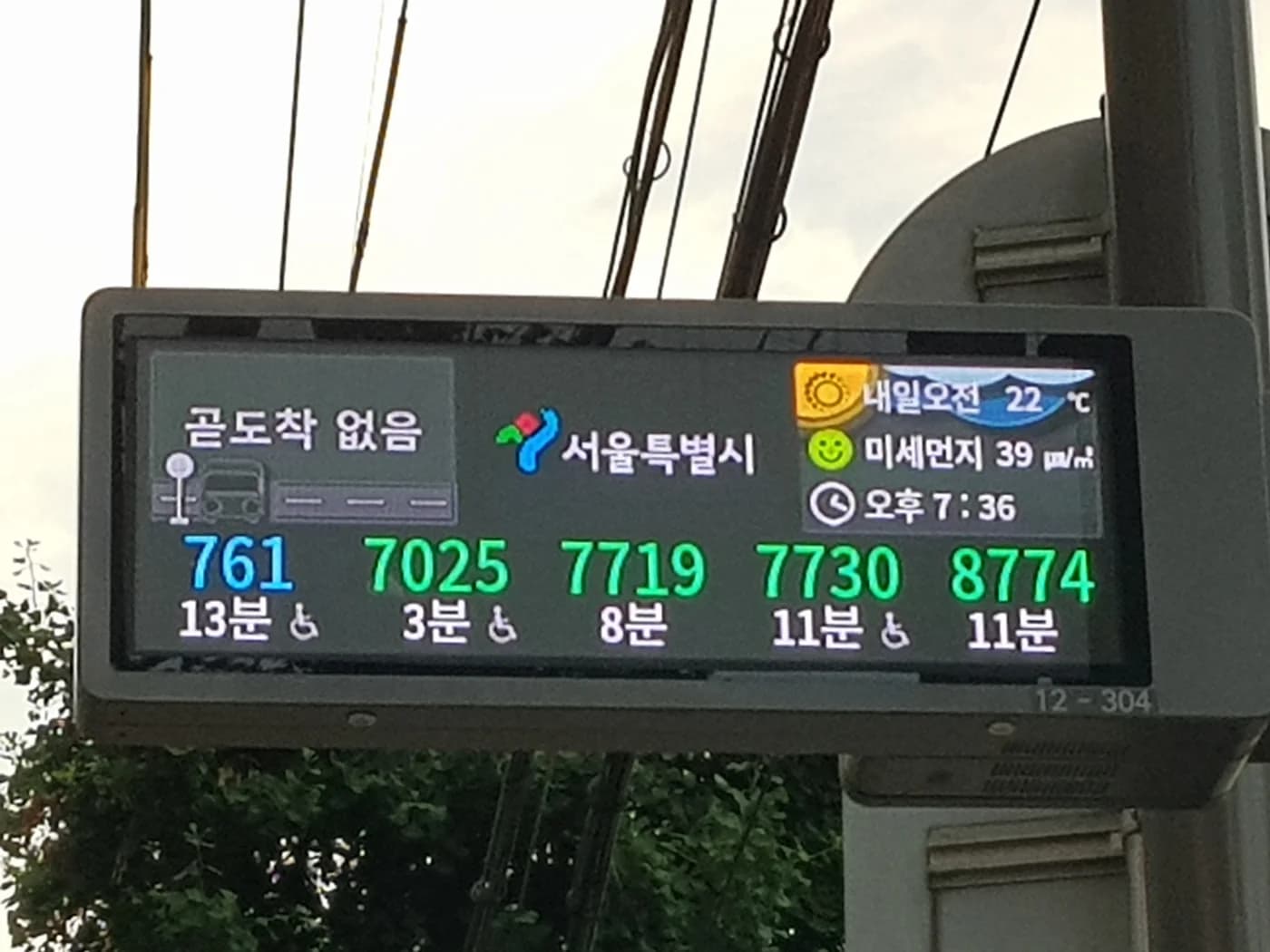
Photo context: Archive photograph, June 20, 2021. An ordinary bus-arrival display illustrates checking the next connection. The pictured services are not Owl Bus routes, and its times are not current. Wikiwater2020 / Wikimedia Commons, CC BY-SA 3.0; resized and converted to WebP by KSPILL. Source photograph; license.