If you learned Korea's rail system as “KTX from Seoul Station, SRT from Suseo,” update that mental map.
On September 1, 2026, KORAIL and SR began integrated high-speed rail operations. SRT did not vanish from the tracks overnight, but the separate passenger brand and booking system did: former SRT services now appear as KTX, and tickets for every high-speed train are sold through one KORAIL system.
The first full day carried 213,000 passengers, according to the Ministry of Land, Infrastructure and Transport. That was 7.9% more than the same date a year earlier—and it happened without a reported accident or service disruption.
SRT Disappeared From the Ticket—Not From Suseo
The easiest mistake is to hear “integration” and assume all high-speed trains now leave from Seoul Station.
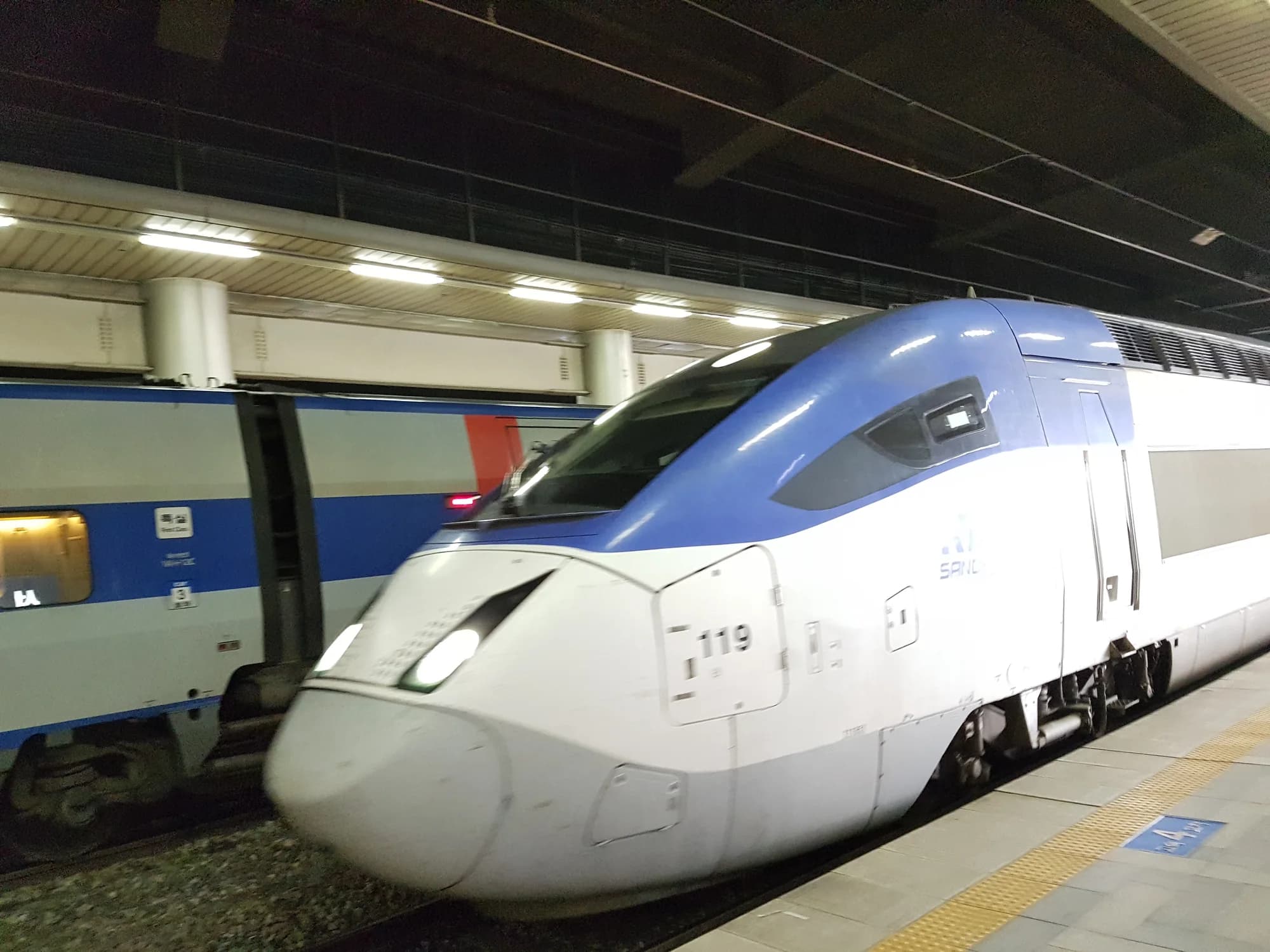
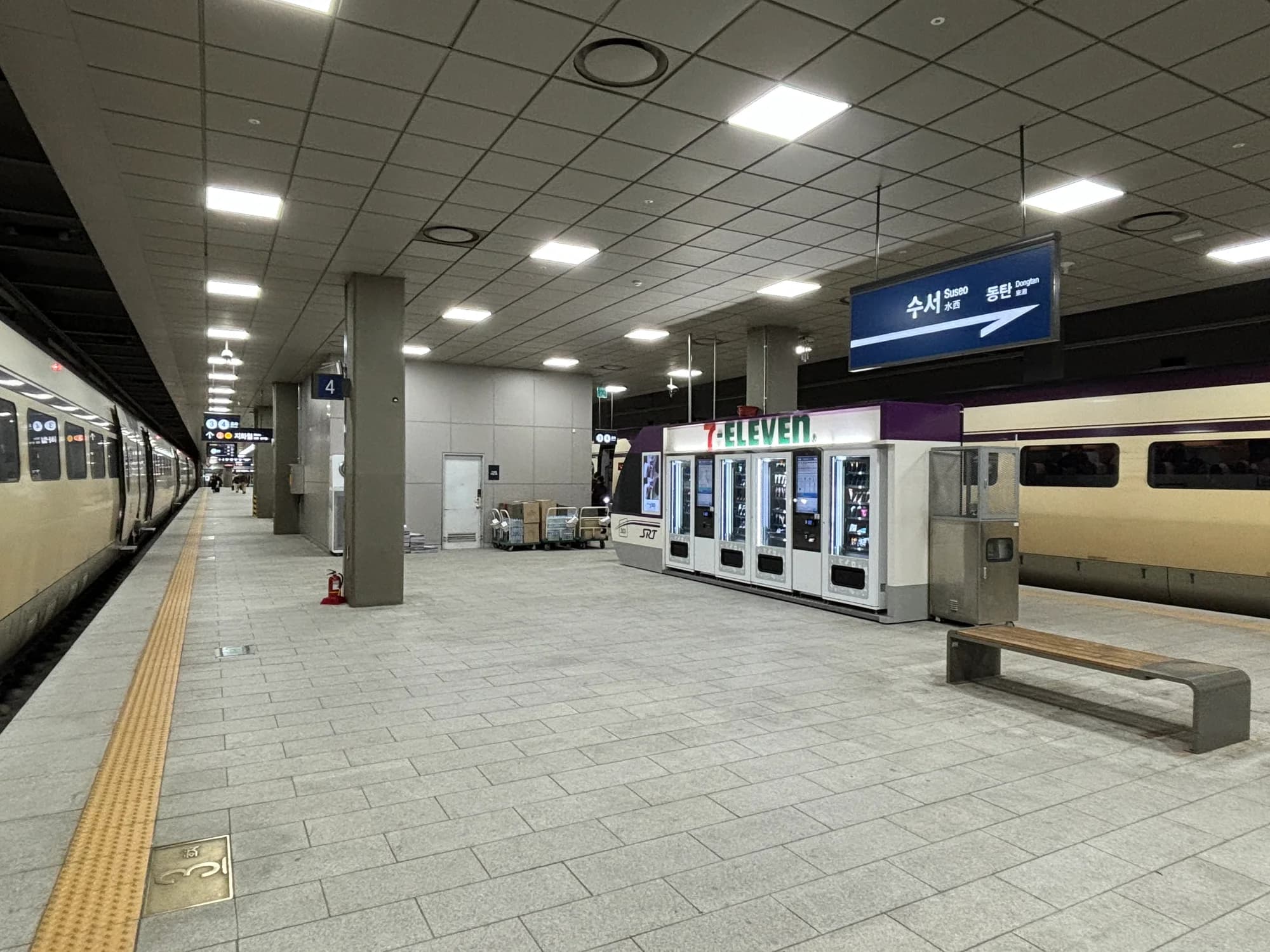
They do not. Suseo Station remains a high-speed rail terminal in southeastern Seoul. What changed is the service name and operator-facing system: trains previously sold as SRT are now sold under the KTX network, with former SRT rolling stock renamed KTX-Sancheon.
That means the departure station matters more than the old train logo. A traveler heading to Busan, Gwangju or another city may still find departures from both Seoul Station and Suseo. Check the station, train number and destination before choosing—and again before boarding.
Booking Moved Into KORAIL+
For trains operating from September 1 onward, the official booking channels are the KORAIL+ app, KORAIL's website and station counters. The old SRT app no longer sells a separate inventory of SRT-branded departures.
Existing KORAIL-only members were moved into the unified system automatically. People who held only an SR account—or had both SR and KORAIL accounts—may need to complete the membership-conversion process to carry over account benefits and coupons.
The Price Change Is Bigger Than a New App
KORAIL says average KTX fares were lowered by about 10%, bringing the network in line with the lower SRT fare level. Passengers using Suseo departures can now earn KORAIL mileage equal to 5% of the amount paid.
Some benefits that previously differed between the two operators have also been standardized. These include youth and pregnancy discounts, transfer discounts, free-seat and standing-ticket options where offered, and a broader range of KORAIL discount products.
Eligibility and availability still depend on the passenger, train and load factor. “Integrated” does not mean every traveler receives every discount.
More Seats Arrived Where the Shortage Was Worst
The integration is not only administrative. It lets KORAIL assign the combined fleet across both the Seoul and Suseo corridors.
On September 1, the network offered 253,000 seats, up 6.3% from a year earlier. The Suseo corridor supplied about 65,000 seats, a 30.5% increase, and carried 64,000 passengers—11.3% more than the comparable date.
KORAIL's regular schedule adds roughly 15,000 weekday seats and as many as 17,000 weekend seats. Higher-capacity trainsets are being used from Suseo, while additional services also expand choices from Seoul Station.
One successful day is not proof that peak-time tickets will always be easy to find. Chuseok, weekends and popular routes can still sell out. The useful change is a larger shared pool—not unlimited capacity.
Refunds and Delays Now Follow One Rulebook
Several ticket rules became more passenger-friendly under the unified system:
- A ticket canceled within 10 minutes of payment can avoid a refund fee, subject to the stated limits and the train being at least 30 minutes from departure.
- Changes can be made without a fee within the allowed window, extending from seven days before to seven days after the original travel date and up to 30 minutes before departure.
- Compensation rises to 75% of the fare for delays of at least 90 minutes and to 100% for delays of at least 120 minutes.
Those details matter most when plans go wrong. Before relying on them, confirm the current terms in KORAIL+ because restrictions can vary by ticket type and circumstances.
The Five-Second Check Before You Pay
The new system removes the “Which app?” problem. It does not remove the “Which station?” problem.
Before buying, scan four fields: departure station, arrival station, date and train number. In Seoul, compare Seoul Station and Suseo rather than assuming one is universally better. Seoul Station is central and well connected to the airport railroad; Suseo can be far more convenient from southeastern Seoul.
Then ignore the old KTX-versus-SRT decision. Korea now wants travelers to think of one high-speed network with multiple gateways—and, for the moment, a little more room to board.