You can arrive in Muju for a festival. You cannot schedule a firefly.
That distinction matters at the 30th Muju Firefly Festival, which opens Friday, September 4, and runs through Saturday, September 12, 2026. The headline attraction is a guided evening visit to a natural habitat—not a stage effect—and weather can change what visitors see.
The festival itself spreads across central Muju and nearby sites, with free daytime programs, performances and illuminated river events. The most sought-after ecology experiences require more planning. Here is the useful version before you book a bus or promise anyone a perfect glowing photo.
The Main Event Happens Beyond the Festival Lights
Muju's signature program is the Firefly Mystery Exploration (반딧불이 신비탐사). Participants travel to a habitat after dusk and look for fireflies in the wild. The official daily schedule places the program in an evening window throughout the nine-day festival.
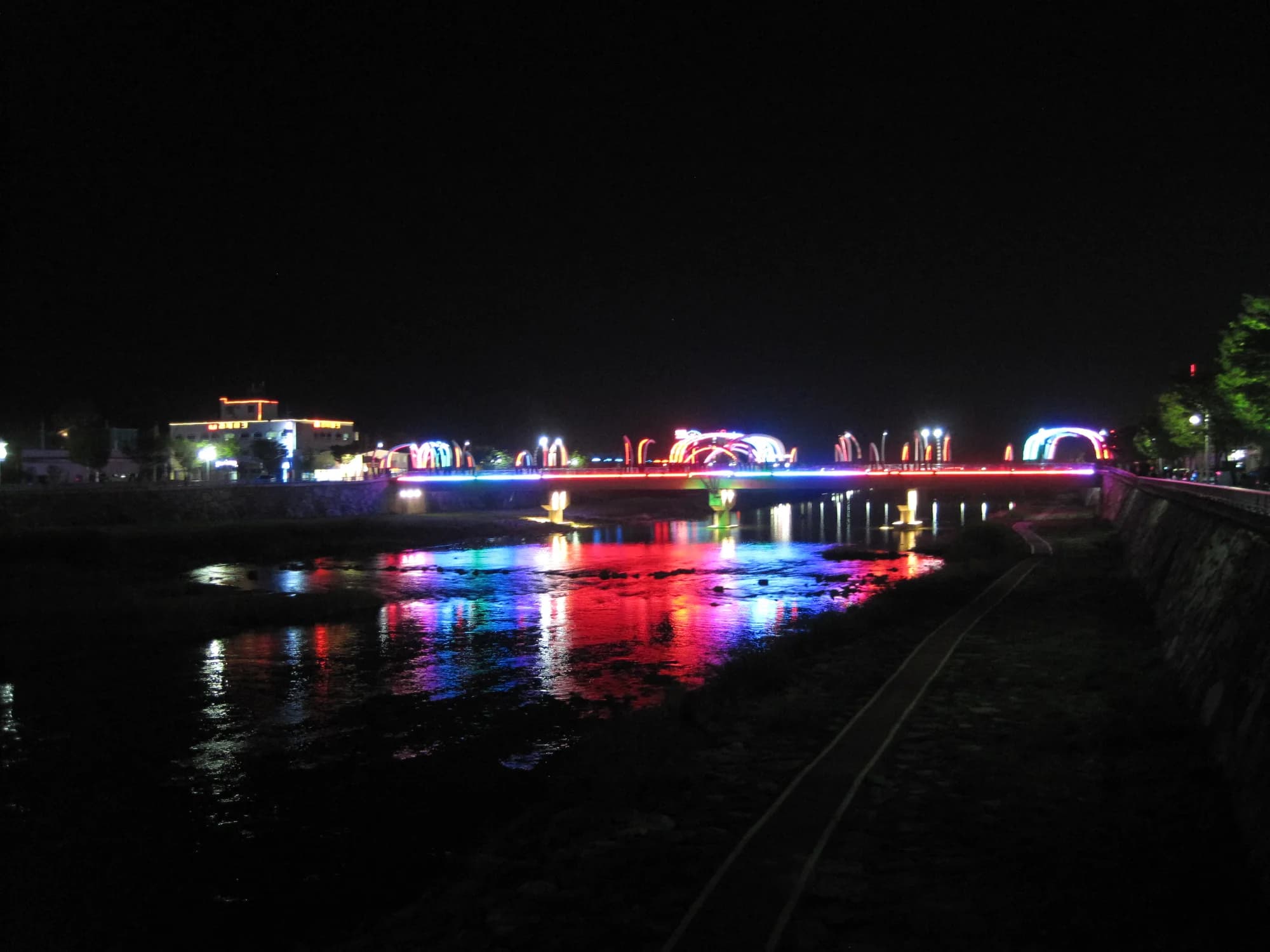
This is not the same as walking along the lit riverside displays. The festival also stages the Bandi Light Feast around Namdaecheon, a star picnic and other night programs. Those are designed events. The habitat tour depends on living insects and real conditions.
The Korea Tourism Organization specifically warns that rain or storms can affect firefly visibility. Treat a sighting as the goal, not a guaranteed performance. The ecological setting is precisely what makes the experience special—and less controllable than a concert.
Reserve the Habitat Tour Before Building the Trip Around It
The festival's official site separates advance-reservation ecology programs from the general schedule. Popular sessions can fill, so seeing “free admission” on a tourism listing does not mean every activity is walk-in or free.
Use the official reservation page, confirm the date and participant details, and save the booking confirmation where it can be opened without reliable mobile data. The program timetable may change during the festival; check it again on the day you travel.
OFFICIAL RESERVATIONSCheck the Firefly Experience ScheduleReview current availability and booking conditions on the festival's official reservation page.VIEW OFFICIAL BOOKINGSThe Long-Distance Shuttle Runs on Five Dates, Not All Nine
The official Kakao T festival shuttle operates on September 4, 5, 6, 11 and 12. It does not run every day of the festival.
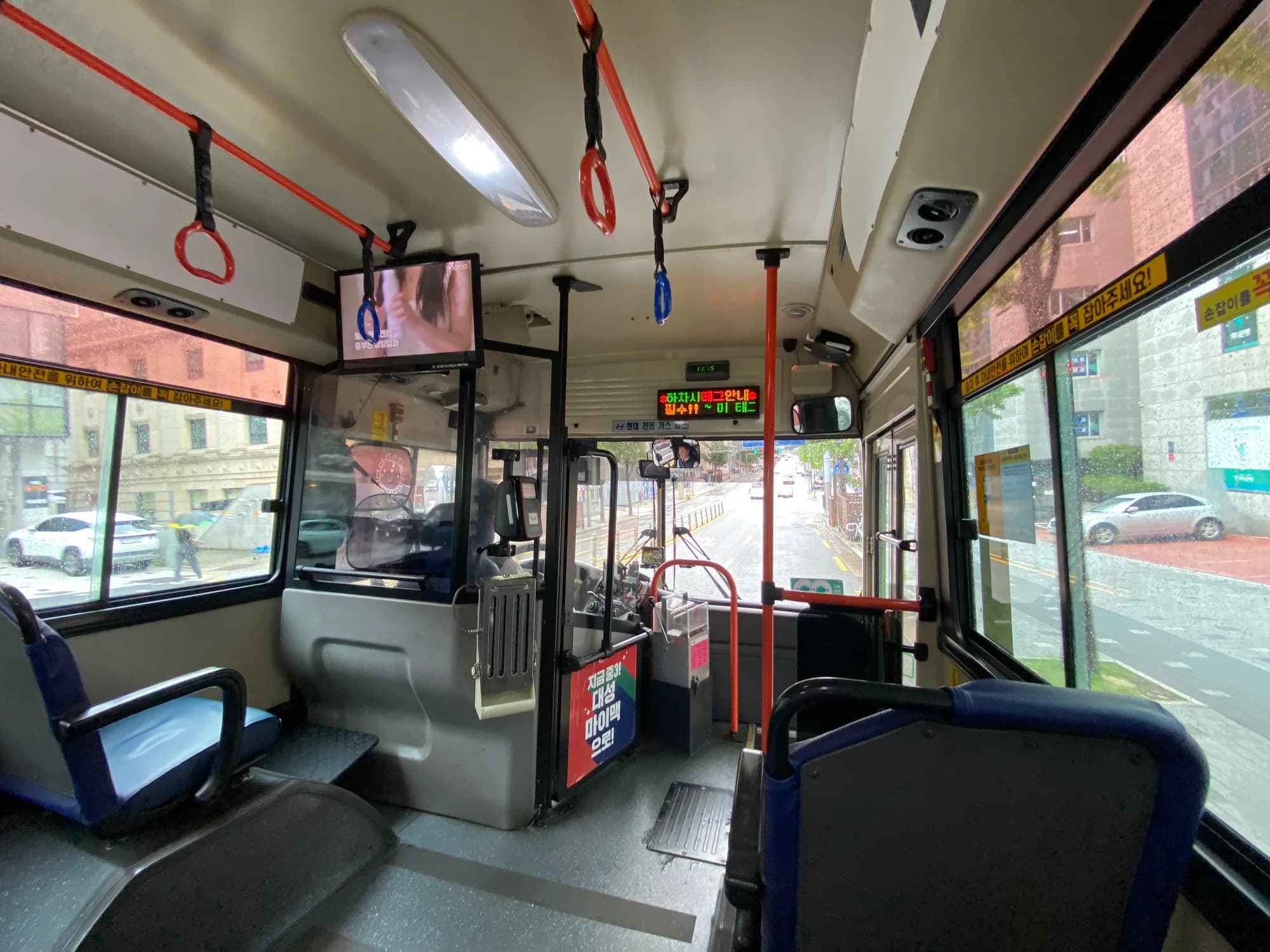
Published fares range from KRW 22,000 to KRW 45,000, depending on the route. The buses serve capital-area and regional departure points, drop passengers at Jinam Park's P2 parking area, and are sold only in advance through Kakao T. The festival says same-day on-site purchase is unavailable and seats can sell out early.
There is one practical advantage for night-tour visitors: the organizer says the shuttle schedule allows passengers to return the same day after the Firefly Mystery Exploration. Still, routes, times and boarding points can change. The operator sends confirmation by text two to five days before departure and asks passengers to arrive at least 15 minutes early.
If you are traveling without a Korean phone number, check whether your booking method can receive the required updates before paying. Do not assume an old screenshot contains the final boarding point.
Muju’s Local Loop Connects the Festival to Mountain Stops
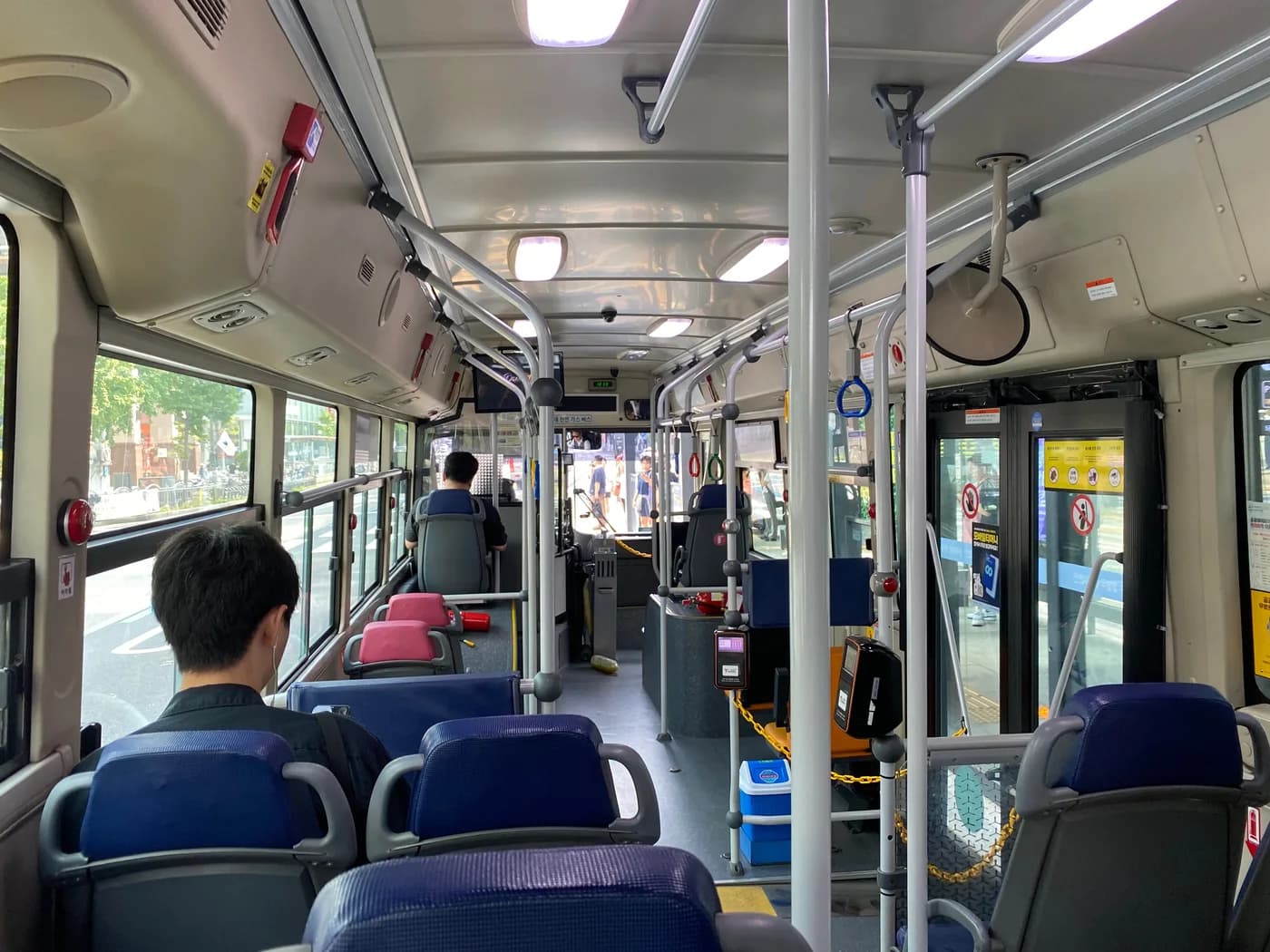
Once in Muju, a separate circular bus links the festival area with Bandi Land, Taekwondowon, Deogyusan Resort and the Gucheon-dong Tourist Information Center. The posted afternoon and evening timetable begins from the festival/National Fitness Center area, with return services continuing after night programs.
This local loop is useful, but it is not the same product as the reserved Kakao T bus from other cities. Keep the two names separate when asking staff:
- 카카오 T 셔틀버스 (Kakao T shuttle bus): paid, advance-booked intercity festival transport on five dates
- 대표관광지 순환버스 (major-attraction circular bus): the Muju-area loop connecting festival and tourism stops
The distinction can save you from waiting at the correct time in the wrong place.
Dress for a Dark Habitat, Not an Instagram Set
VISITKOREA recommends long pants and closed shoes for the firefly experience. That is sensible advice for an evening outdoors around insects, vegetation and uneven ground.
Bring a light layer, check the forecast and avoid relying on a bright phone screen while your eyes adjust. Follow staff instructions about lighting and photography. A powerful flash or constant flashlight would defeat the point of visiting a sensitive nocturnal habitat.
The broader festival runs into late evening, but different programs have different locations and finish times. Families should check the walk and return-transport plan before joining a late session rather than deciding after dark.
Free Festival Does Not Mean a Zero-Won Evening
General festival admission is listed as free, while some experiences charge fees. Add transport, reservations, food and any accommodation before comparing the trip with a Seoul day out.
The daily program includes ecological activities, traditional performances, children's events, busking and evening light shows. Opening-weekend highlights begin on September 4 and 5; the closing program on September 12 includes a ceremony and fireworks by Namdaecheon, according to the official schedule.
Schedules can move, especially outdoors. Use the date-specific official timetable rather than treating a promotional overview as a fixed ticket contract.
Your Five-Minute Check Before Leaving for Muju
- Confirm the date: the festival runs September 4–12, but the long-distance Kakao T shuttle runs only September 4–6 and 11–12.
- Confirm the experience: check whether your firefly habitat program needs a reservation and save the confirmation.
- Confirm the return: distinguish the intercity shuttle from Muju's local circular bus.
- Check the weather: rain and storms can reduce visibility or change outdoor plans.
- Wear the right shoes: closed shoes and long pants are more useful than a perfect night-out outfit.
Muju's festival has lasted 30 editions because the glow is not merely a decoration. It points back to a living habitat and the conditions that allow fireflies to survive. Plan the transport and reservation carefully, then let the night remain a little unpredictable.