Buy a card, add money, tap a reader. T-money really can be that simple—but the same-card and exit-tap details are what keep a visitor’s trip smooth.
This guide covers the ordinary rechargeable physical T-money card. Mobile products, tourist passes and credit-card transit features have different eligibility and setup.
If you are comparing alternatives, check the distinction between Climate Pass and the short-term Climate Card. Neither should be confused with the ordinary rechargeable T-money card explained here.
Buy the Card, Then Add a Balance
T-money’s current visitor guide says standard cards are sold at convenience stores and station machines, including airport locations. The plastic itself and the stored travel balance are separate costs, so ask to load money when you buy it.
Convenience-store cashiers can sell or reload cards; subway charging machines also provide language options. Payment methods differ by machine and product, and some reload points remain cash-only. A physical T-money card normally does not require a tourist to create an account.
Load a modest amount first. You can add more later, while a large unused balance creates a bigger refund chore.
Subway: Tap Through the Gate
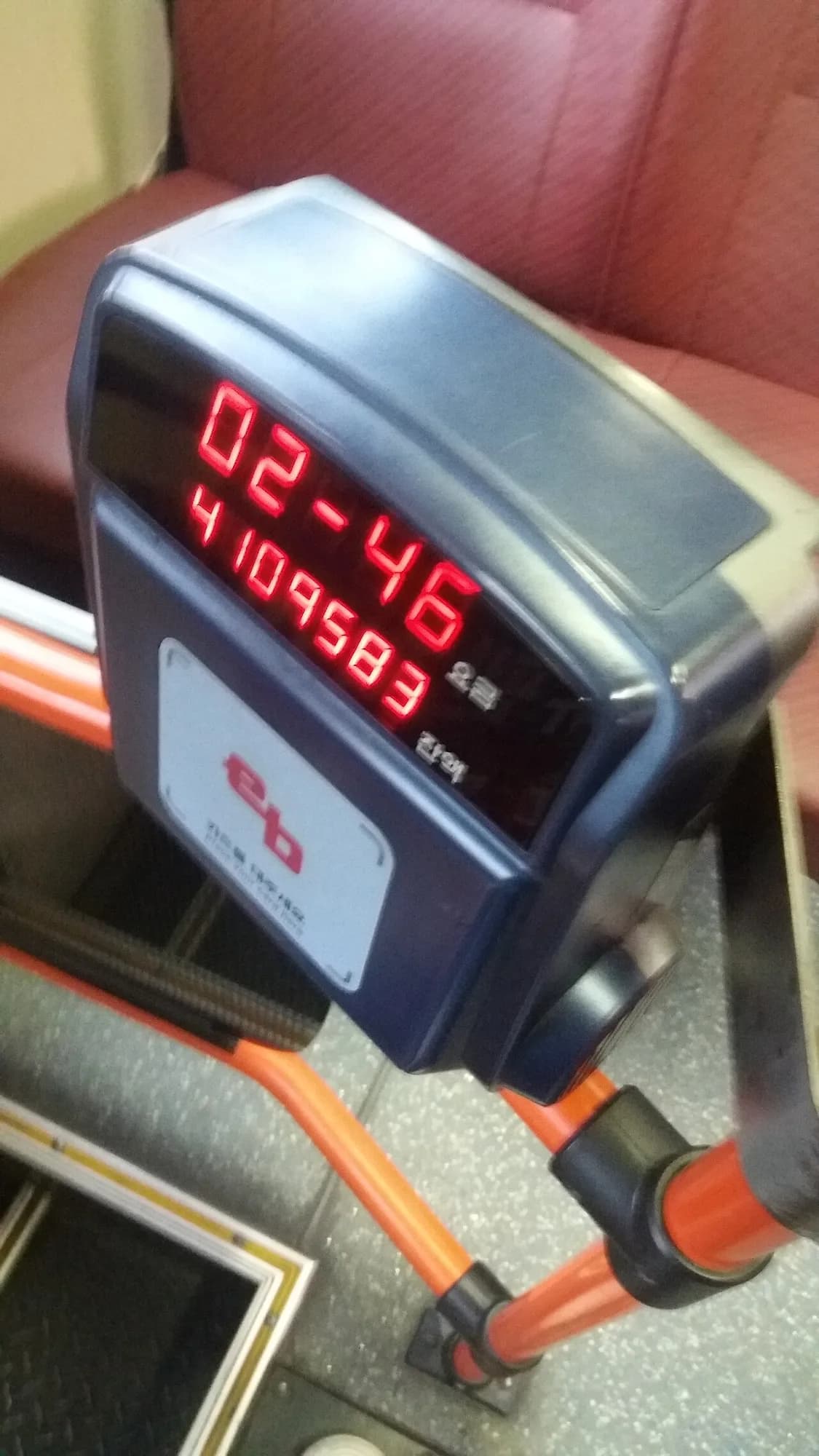
Hold one card flat against the reader until it confirms the transaction. Tap at the entry gate, ride, then tap at the exit gate. The screen usually shows the fare and remaining balance.
Use one card per person. Passing a single ordinary card back through a gate does not create a clean individual journey record for a group.
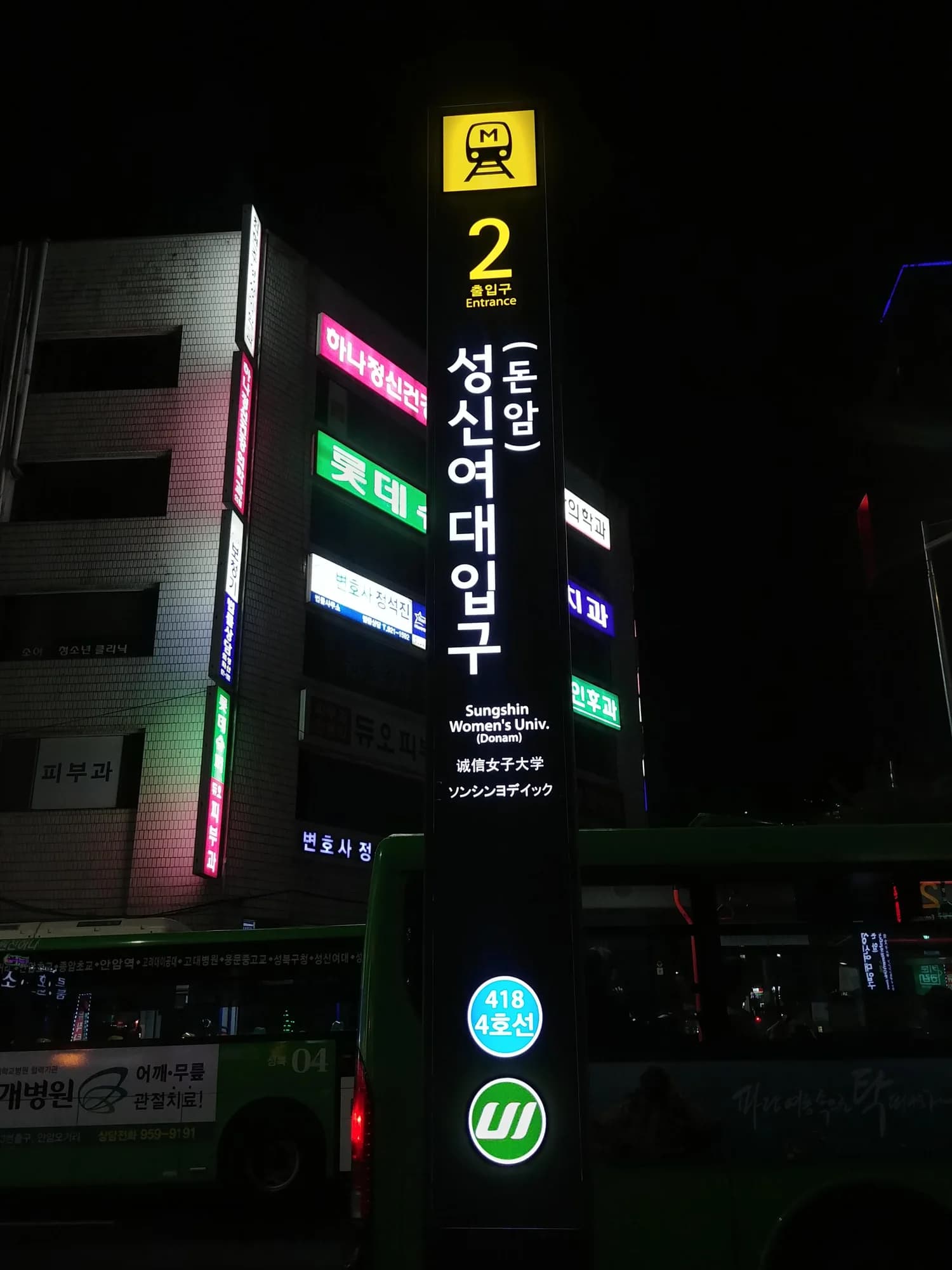
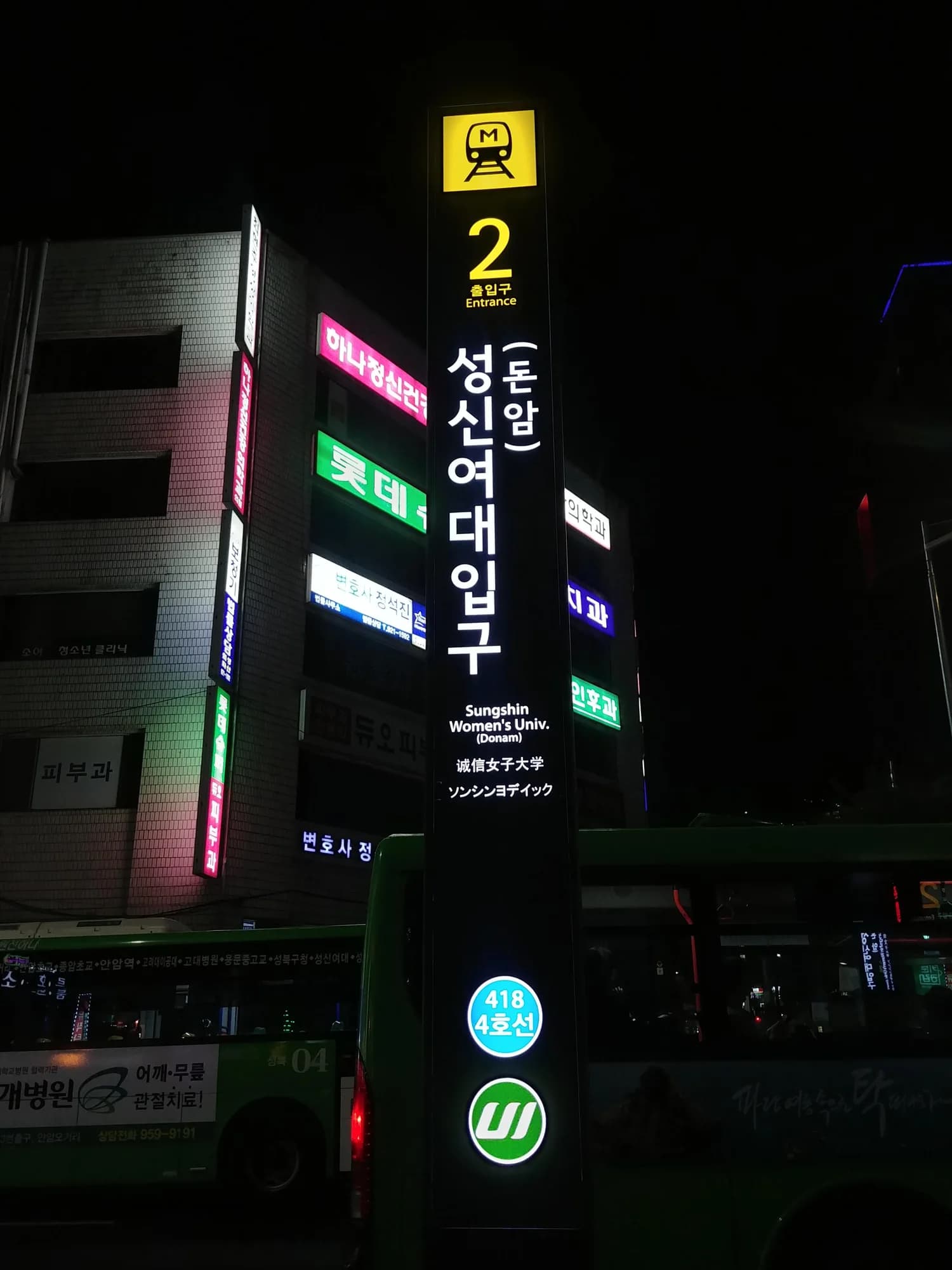
Inside a large station, exit numbers connect to specific street corners. The card gets you through the fare gate; the number gets you to the right side of the road. If you store luggage, check the station-locker process and operating access before leaving the paid area.
Bus: Tap On and Tap Off
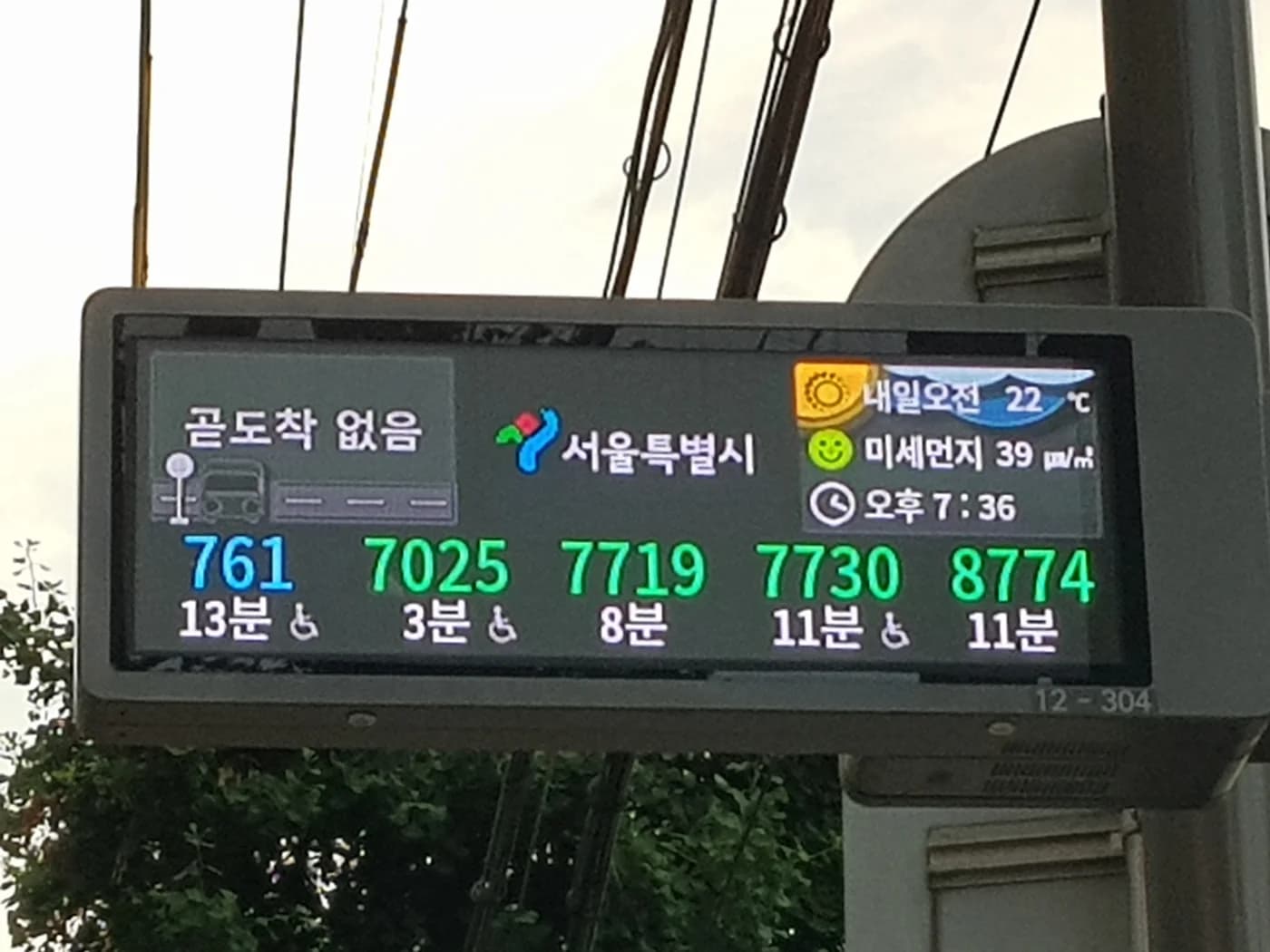
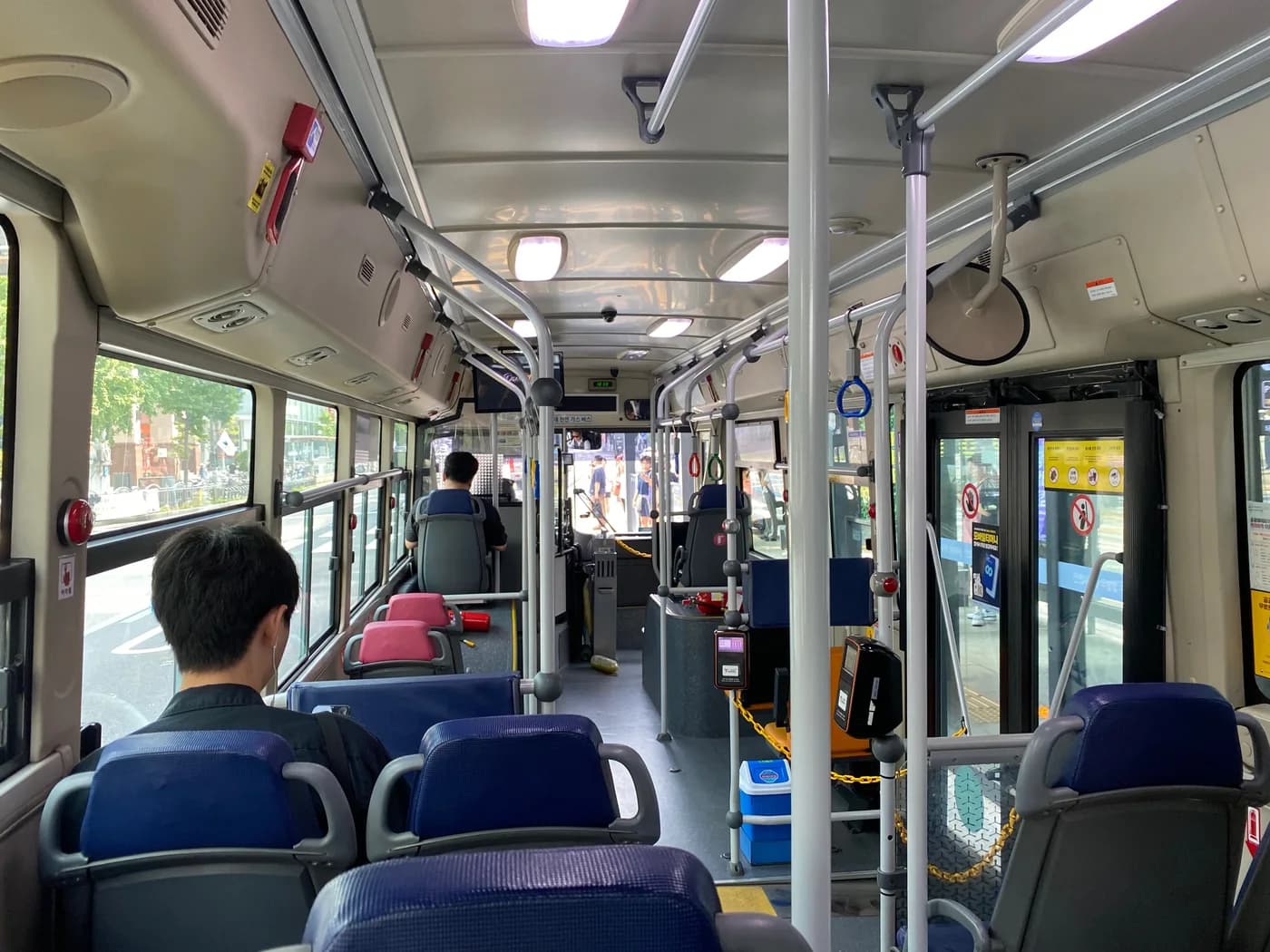
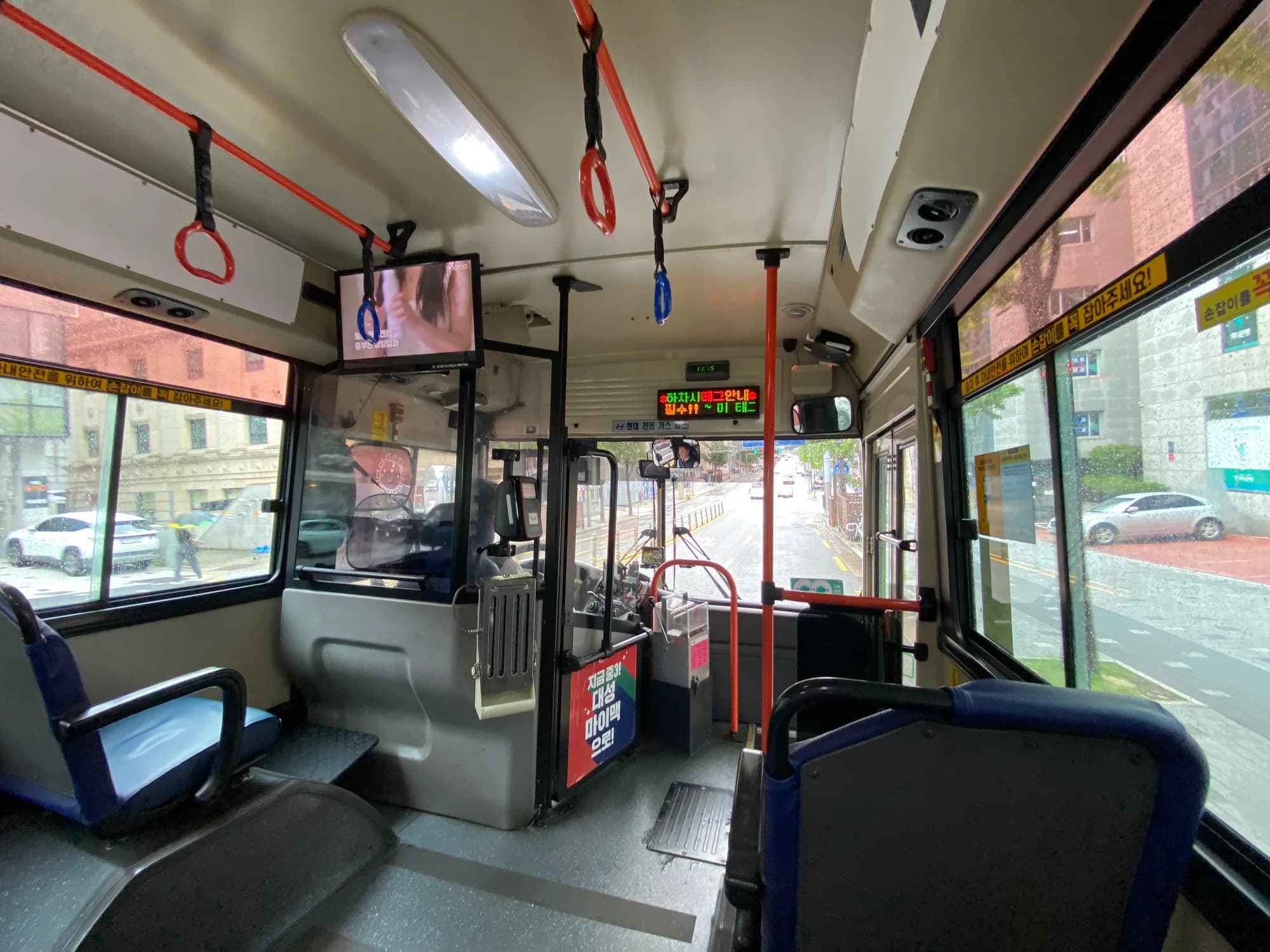
Tap at the front reader when boarding and at the exit reader before stepping off. The final tap closes the ride for distance calculation and helps the system recognize an eligible transfer.
That is why Korean buses expect a tap when you leave, even when the first beep already deducted a fare. Seoul’s official guide tells riders to tag on and off buses and trains to receive transfer discounts.
One practical refinement: keep the card away from other contactless cards while tapping. A wallet full of NFC cards can make the reader choose badly or fail.
Transfers Are a Linked Journey, Not Free Travel Forever
Transfer discounts depend on location, time, route and fare product. Use the same card throughout the linked trip and complete every required exit tap. Do not treat an old blog’s minute limit or fare table as permanent policy.
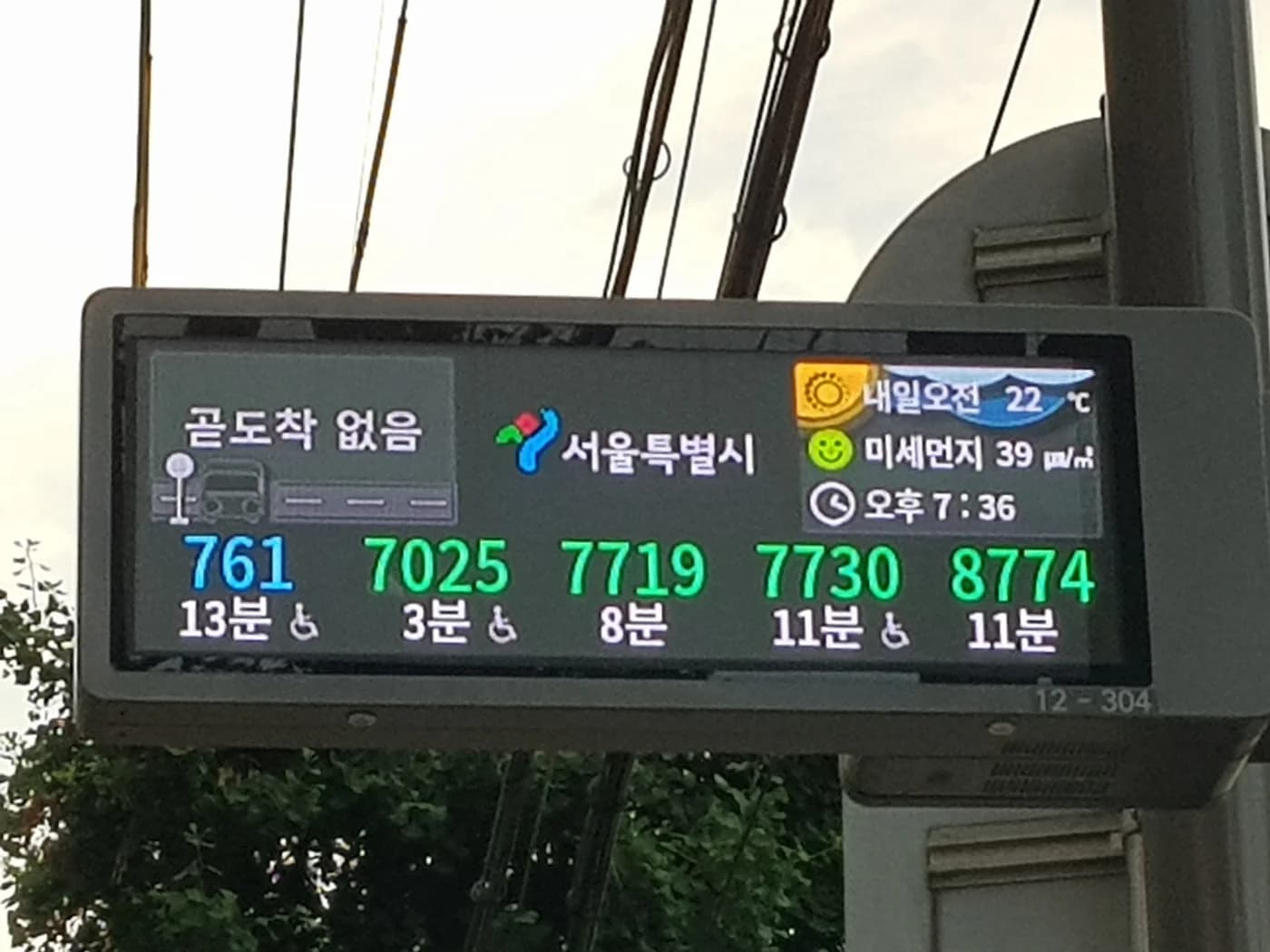
On buses, route choice still matters: Seoul bus colors signal different network roles. T-money handles payment; it does not make two routes equivalent.
If a gate rejects the card or the balance is short, use the station adjustment machine or ask staff rather than repeatedly tailgating another passenger through a gate.
Balance Checks and Refunds
The remaining balance appears on many reader and reload-machine screens and can be checked at participating retailers. T-money’s 2026 visitor guidance says unused stored value can be refunded at convenience stores and other designated locations, with the card purchase price excluded and a fee possible.
Refund locations and limits can depend on the balance and card type. For a large balance, damaged card or mobile product, consult T-money’s current instructions or customer service instead of assuming the nearest shop can handle it.
The shortest reliable routine is: buy, load, use one card per rider, tap every required entry and exit, then check the official rule if money needs to come back. Once that rhythm becomes automatic, the card disappears into the journey—which is exactly what good transit payment should do.