Archive note — September 7, 2026: Seoul's official event listing marks this September 5 event as closed. The schedule and safety advice below describe the published 2026 plan, not current restrictions or an invitation to attend. The listing is not a post-event report confirming that every planned activity took place.
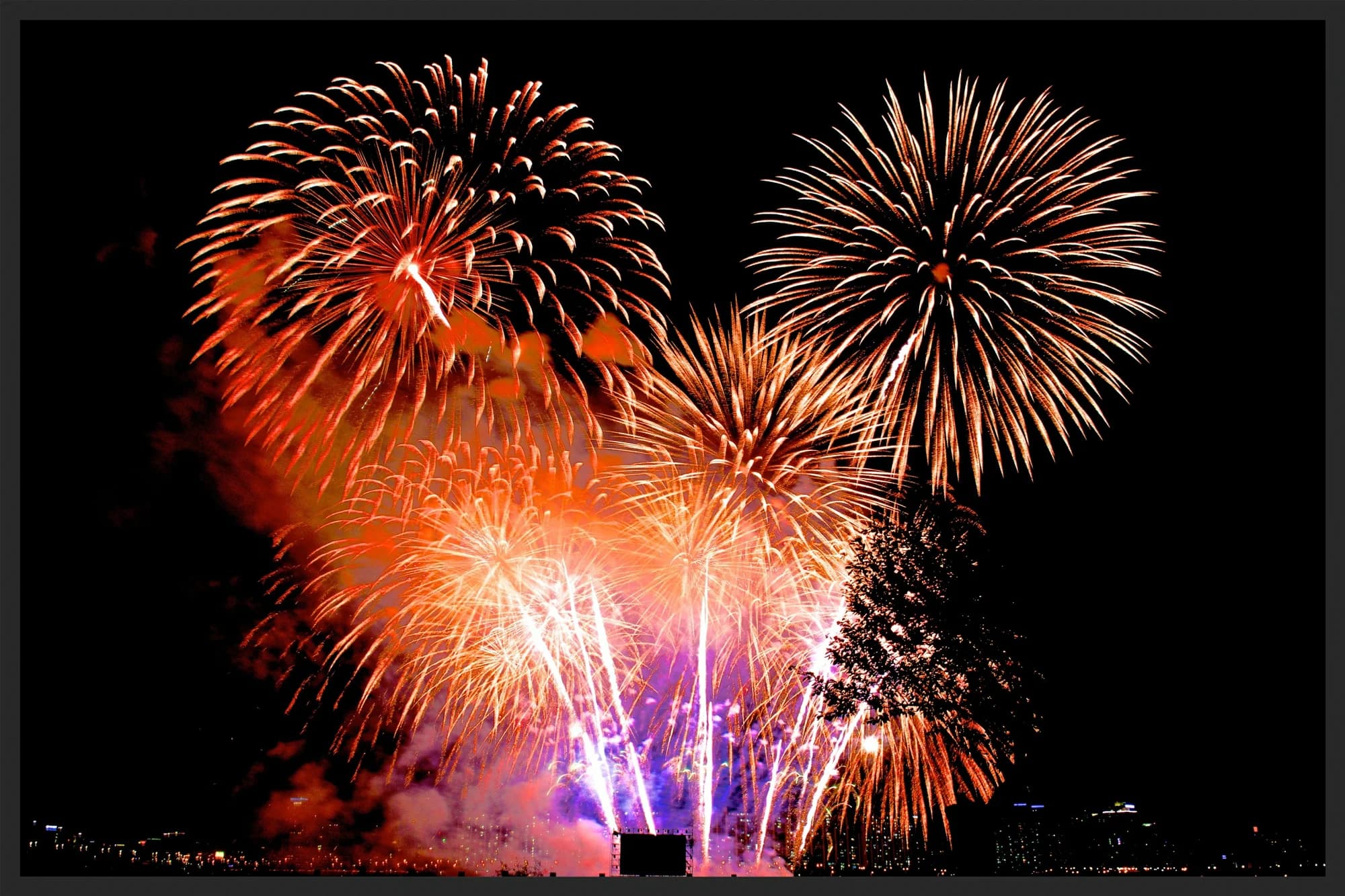
The published plan placed the 2026 Seoul International Fireworks Festival on the Yeouido and Ichon sides of the Han River on September 5, with a three-country fireworks show scheduled for 8:00 to 9:10 p.m. Seoul's advance safety plan called for 6,800 personnel across the event, stations and river.
The plan also included a September 4 preview program, with access changes scheduled before the main Saturday show.
The September 4 Preview and Access Plan
The September 4 preview plan included citizen programs in the Yeouido and Ichon areas and an early start for the official food-truck zone. Temporary transport and facility changes were scheduled from Friday.
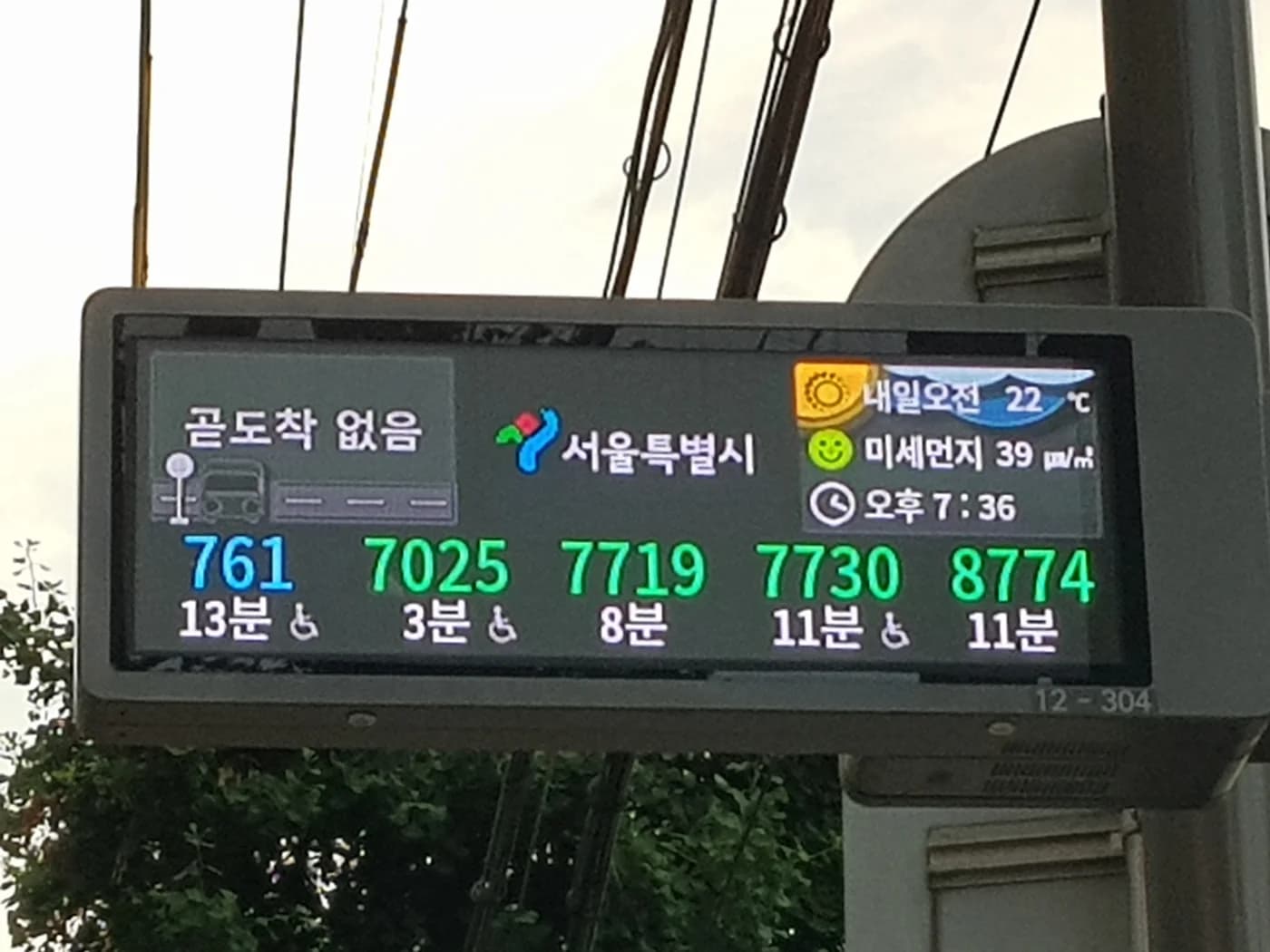
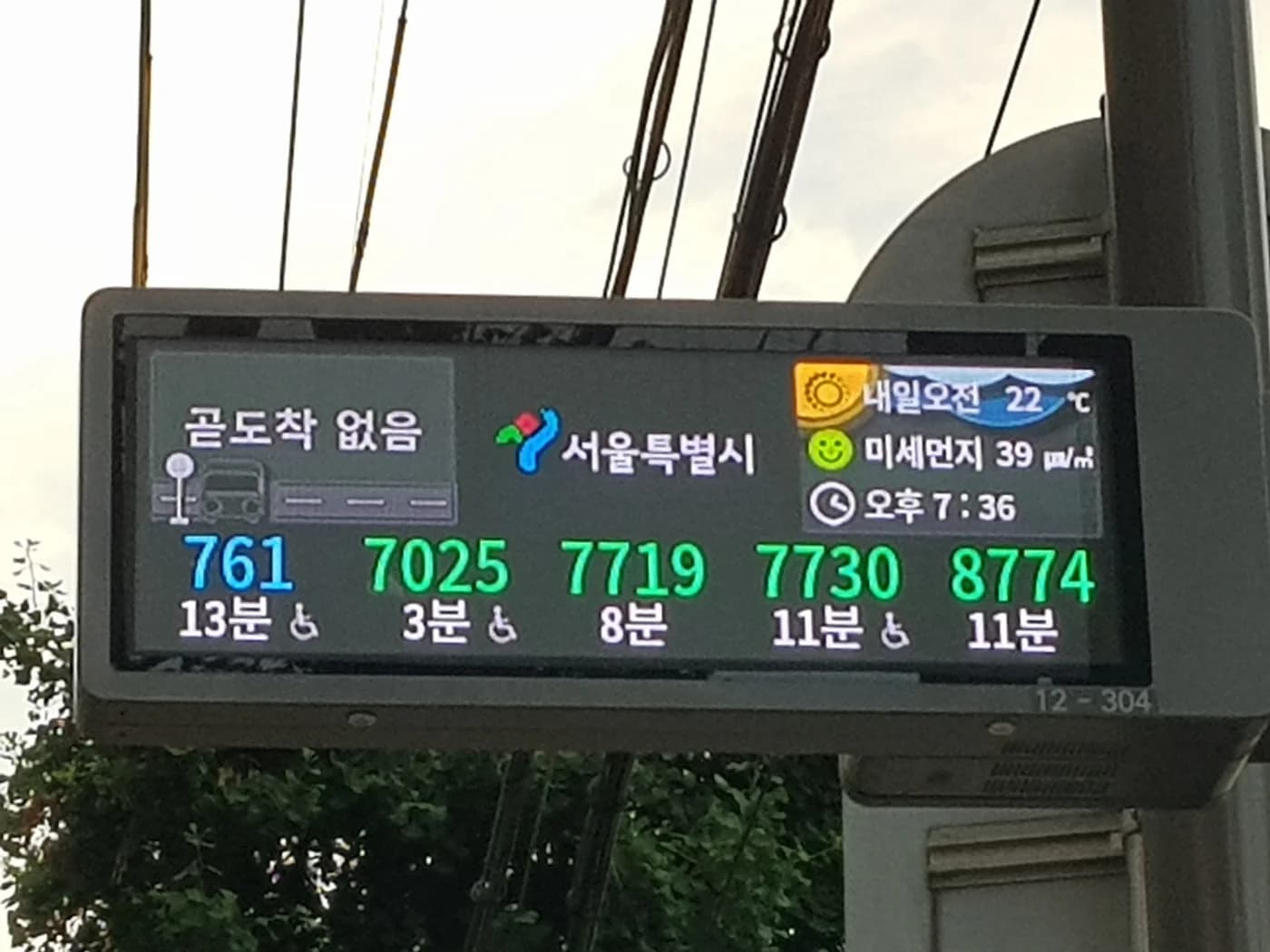
Seoul announced a suspension of public-bike and shared personal-mobility rental and return around Yeouido and Ichon from 8:00 a.m. September 4 until 7:00 a.m. September 6. Its plan also listed temporary bus-stop moves near Yeouinaru Station on Friday evening.
Those restrictions were tied to the festival dates; they are not a current park-access notice.
The Published 70-Minute Fireworks Schedule
The main September 5 program was scheduled to begin at 1:00 p.m., with public activities until 7:00 p.m. and an official opening from 7:40 to 8:00 p.m. The fireworks schedule listed teams from the United Kingdom, the United States and South Korea from 8:00 to 9:10 p.m.
An after-DJ program was listed during the first stage of crowd dispersal, giving the original visitor plan an alternative to heading straight to the subway.
Build Your Subway Exit Plan Backwards
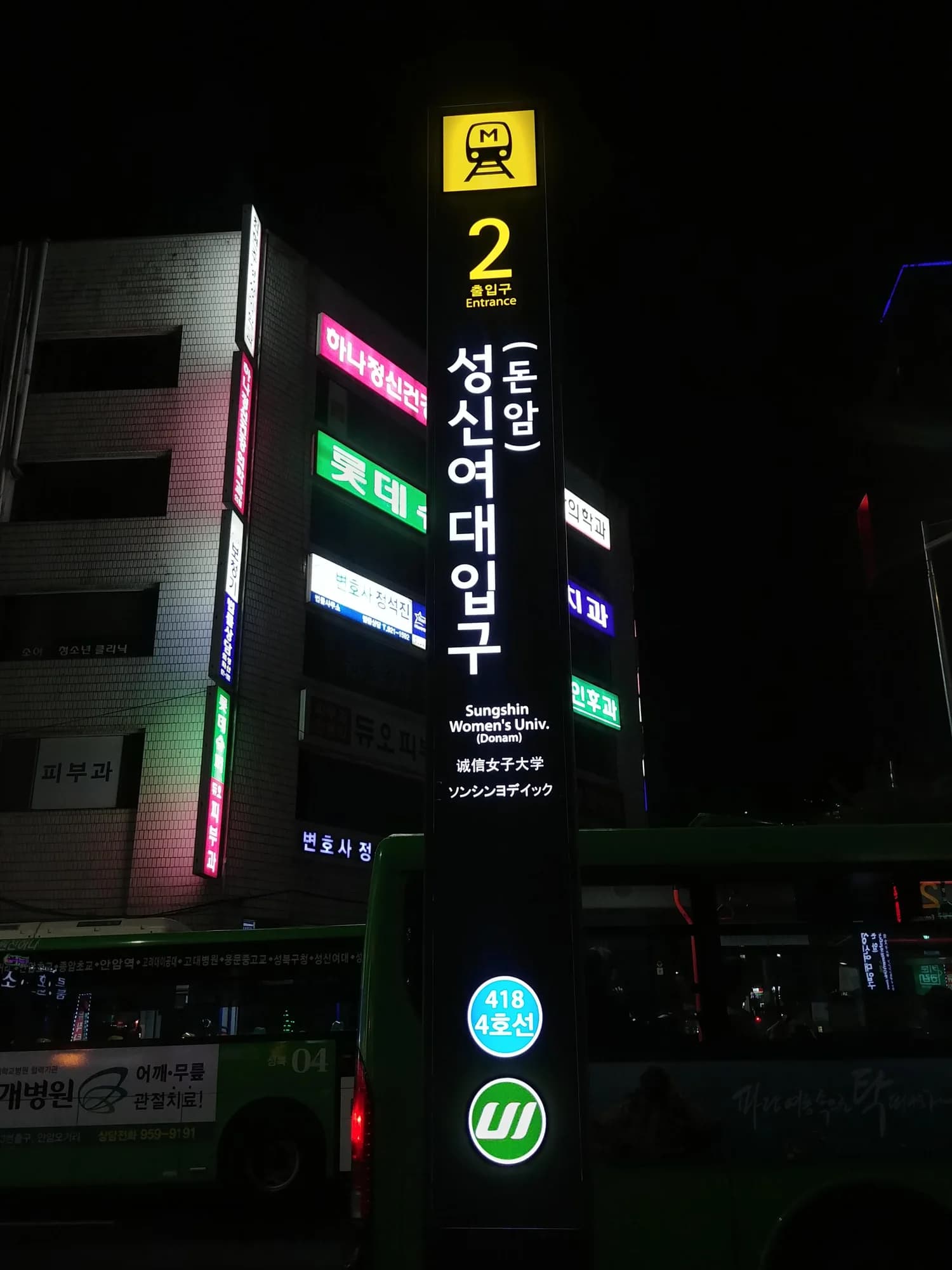
Because the correct station can still leave you on the wrong side of a major road, decide on the right subway exit before joining the crowd.
The city's festival advice asked visitors not to rely on Yeouinaru Station at peak times. It warned of possible nonstop train movements, entrance closures and one-way walking routes.
Recommended alternatives include:
- Yeouido Station on Lines 5 and 9, using Exits 4 or 5.
- Saetgang Station on Line 9 and the Sillim Line, using Exits 2 or 3.
- Mapo Station on Line 5, using Exits 1 or 4.
Choose the station for your trip home before choosing the patch of grass for the show. A slightly less perfect view with a clear walking route can save a long, compressed wait later.
Closures Start Earlier Than the Crowd
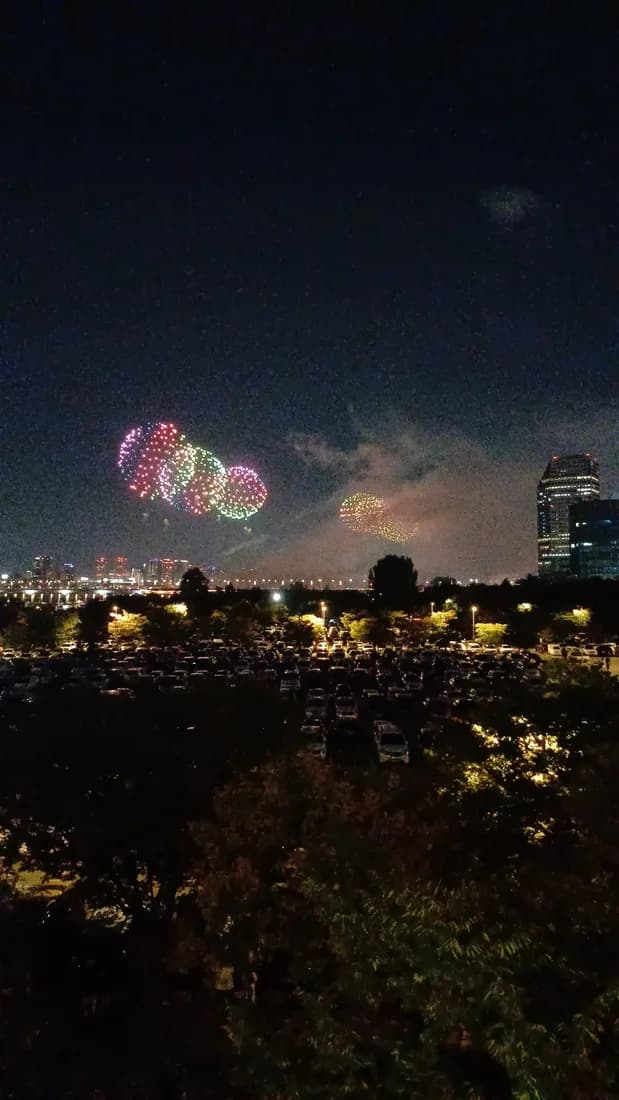
The published plan listed staged road controls around Yeouido, restrictions on river access and Hangang River bus changes for September 3–5. These were festival-specific arrangements, not today's transport conditions.
The city planned temporary toilets and waste facilities for an estimated one million visitors. That was a planning estimate, not a confirmed attendance figure.
Free Viewing and the Paid-Only Island
The official 2026 listing described general viewing at the Yeouido and Ichon Hangang park areas as free and Nodeul Island as a ticketed zone. Organizer-sold viewing products were distinct from general riverside admission.
That distinction matters when reading the archived plan; it does not establish current ticket availability or the rules for a future edition.
A Packing List for a Million-Person Night
Bring water, a small snack, a light outer layer, a portable battery and only a compact mat if the zone permits it. Keep walkways and emergency access clear.
Seoul warns that fireworks can temporarily raise fine-dust levels. The city recommends a KF80-or-higher mask for young children and people with respiratory conditions. Ear protection is also sensible for small children because the low-frequency blasts can be intense near the river.
Avoid large tripods in dense areas. They block sight lines, create a tripping hazard and are difficult to carry through controlled exits.
The Fastest Way Home May Be to Wait
When the final Korean display ends, the largest wave moves at once. If you do not have a fixed connection, the scheduled DJ set and clean-up period can give the first crowd time to spread.
Follow live station instructions over any static route saved earlier in the day. And remember the central rule of a million-person event: the best plan is the one that still works when your nearest entrance closes.