Open a kitchen tap in Seoul and you are not just getting anonymous “city water.” The supply has a brand: Arisu. The city says it is safe to drink.
That answer is clear at the waterworks level. The more useful answer for a traveler or new resident has one extra sentence: the condition of the building’s private pipes, tank and faucet can affect what reaches a particular glass.
The Short Answer for Seoul: The Public Supply Is Drinkable
Seoul Metropolitan Government describes Arisu as safe-to-drink tap water. In its 2025 program, the city expanded testing to 357 substances, including the 60 items required by Korea’s drinking-water standards.
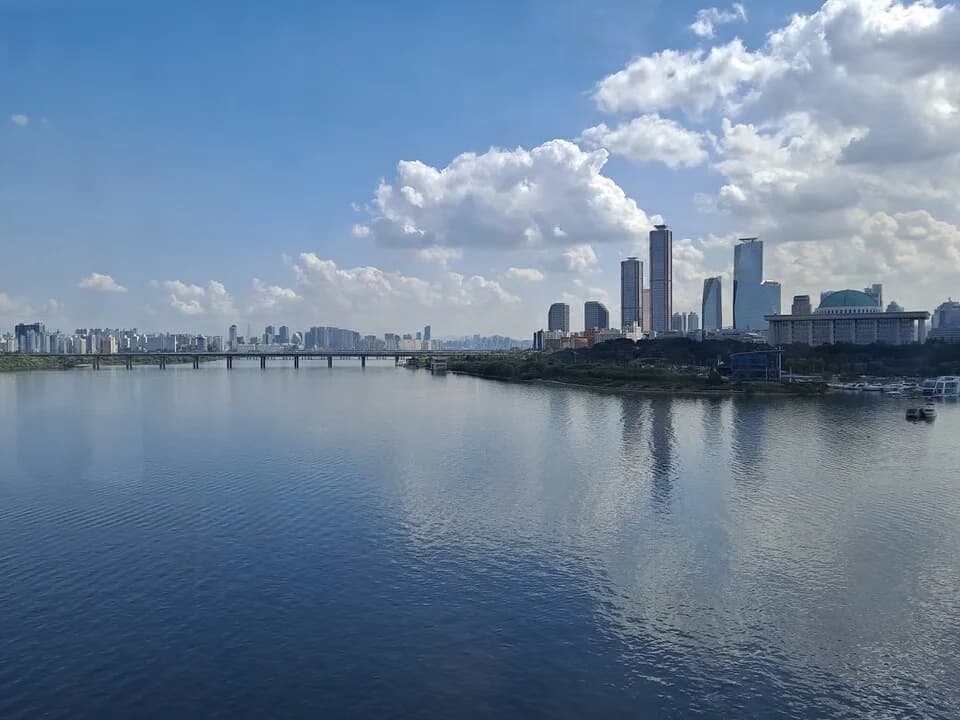
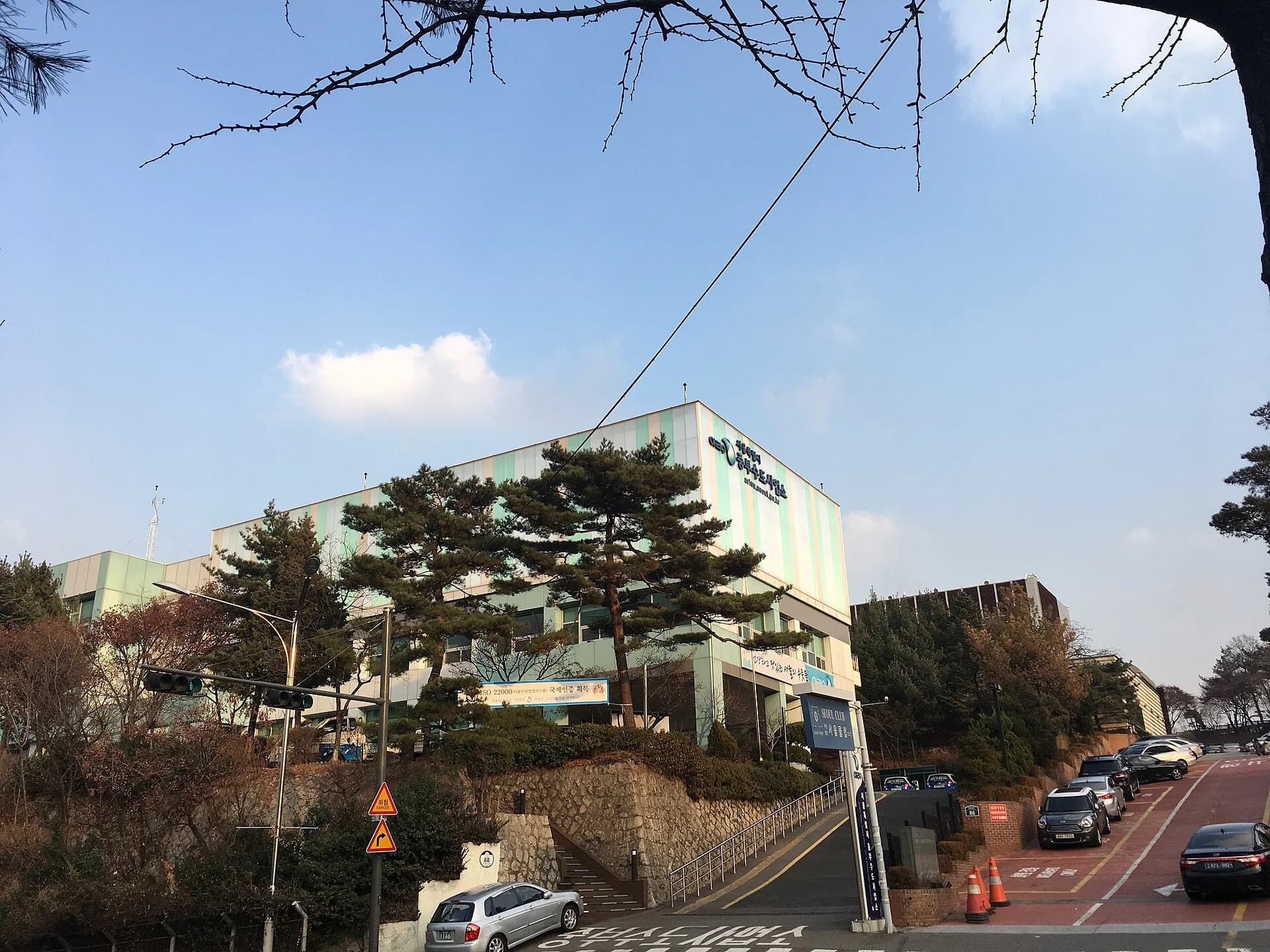
Seoul Water says treated water at purification centres is checked daily, tap samples are collected across the city and automated systems monitor key indicators in real time. The source is the Han River; treatment includes filtration and disinfection before the water enters the distribution network.
So there is no blanket rule that visitors must boil every glass of Seoul tap water. If the city has issued no advisory and the building tap appears normal, the municipal supply is intended for drinking.
The Last Few Metres Still Belong to the Building
Water can meet standards when it leaves the city system and still pick up a taste, colour or contaminant inside poorly maintained private plumbing. A long-unused faucet, an old internal pipe, a building tank or a dirty filter can all sit after the city’s main.
That distinction explains why some Seoul residents trust Arisu yet prefer a filter or bottled water at home. A personal habit is not proof that the entire city supply is unsafe; it may reflect taste, confidence in a particular building or years of consumer preference.
If you have been away for a while, the U.S. CDC recommends flushing faucets that have not been used. If water is discoloured, cloudy after standing, unusually odorous or accompanied by a building notice, pause and ask the accommodation or building manager rather than trying to diagnose it from a photo.
A Chlorine Smell Is Not a Boil Notice
A faint disinfectant smell can occur in treated water and does not by itself mean the supply is dangerous. Taste also changes with water temperature and a building’s plumbing.
Run the cold tap briefly after it has been sitting, then chill the water in a clean covered container if the taste bothers you. Do not use hot-tap water for drinking or cooking simply because it feels cleaner; hot water has passed through the building’s heater and may interact differently with plumbing.
A sudden strong smell, brown colour, oily film or official advisory is different. Follow the instruction from Seoul Water, the district, the building or emergency authorities. During an advisory, the correct action depends on whether officials say to boil, avoid drinking or avoid all use.
Seoul Will Test a Home Tap for Free
The city operates an Arisu Quality Verification System for residents concerned about a household faucet. Seoul’s March 2026 notice expanded appointments into weekday evenings, weekends and public holidays. It says inspectors test five indicators on site and provide results and follow-up guidance in about five minutes.
Reservations can be made through the 120 Dasan Call Center, the local waterworks office or the Seoul Water website. Availability, language support and eligibility should be confirmed when booking, especially for a short-term rental.
The service is a useful piece of context: Seoul does not ask residents to trust a slogan and ignore the final tap. It offers a way to check the point where public infrastructure meets a private building.
Bottled Water Can Still Be the Sensible Choice
Use factory-sealed water when officials issue a relevant advisory, when a rural or private supply has not been verified, when the accommodation warns against the tap, or when the water looks or smells abnormal and no quick answer is available.
People with specific medical vulnerabilities should follow their clinician’s advice. Tap water that is safe to drink is also not sterile and should not be used untreated for nasal rinsing.
For an ordinary Seoul stay, the decision is less dramatic. The city supply is made to be drunk. Check the building-level clues, use current official notices, and let evidence—not the number of water-filter ads in the elevator—decide what goes into the glass.