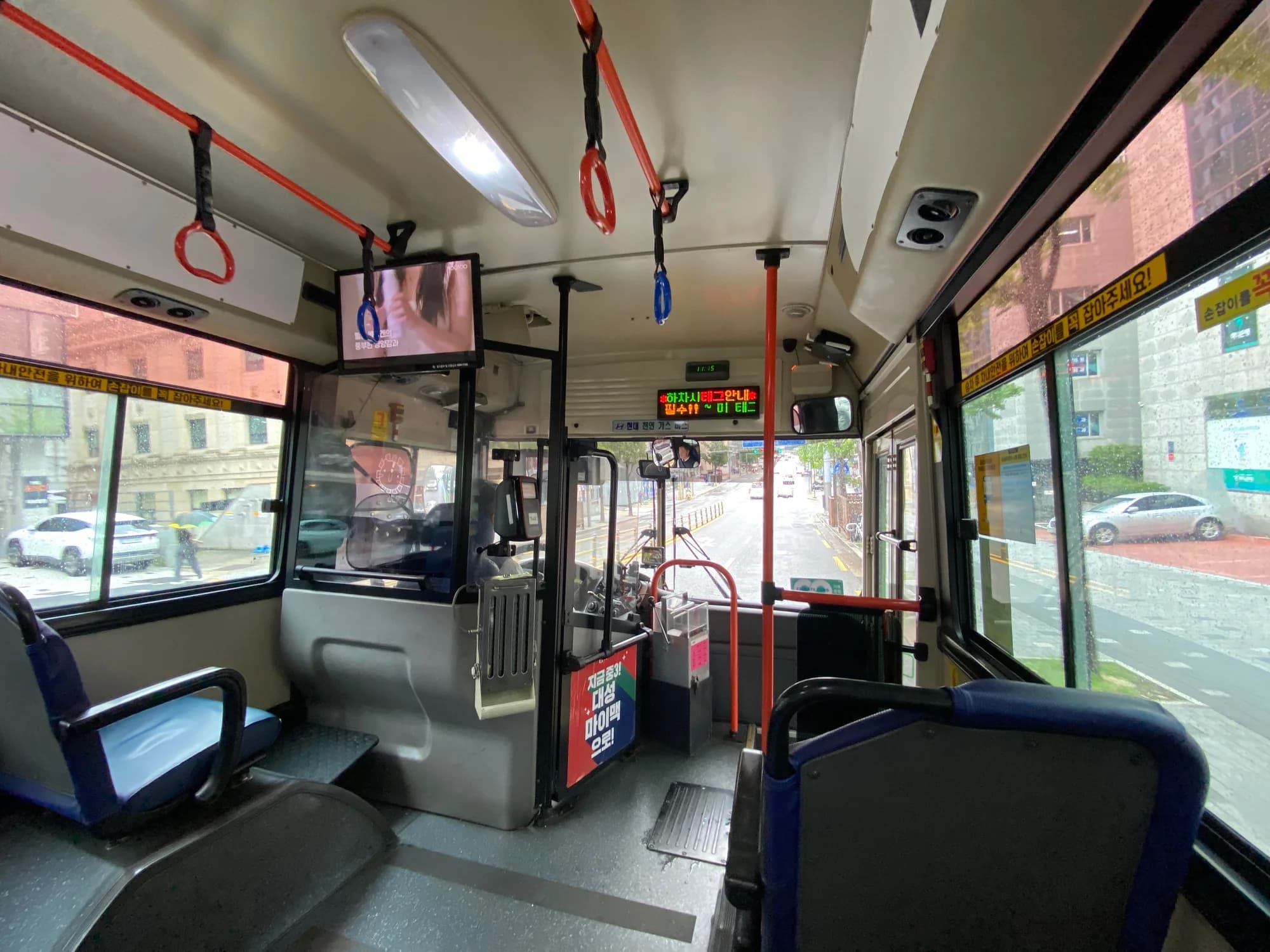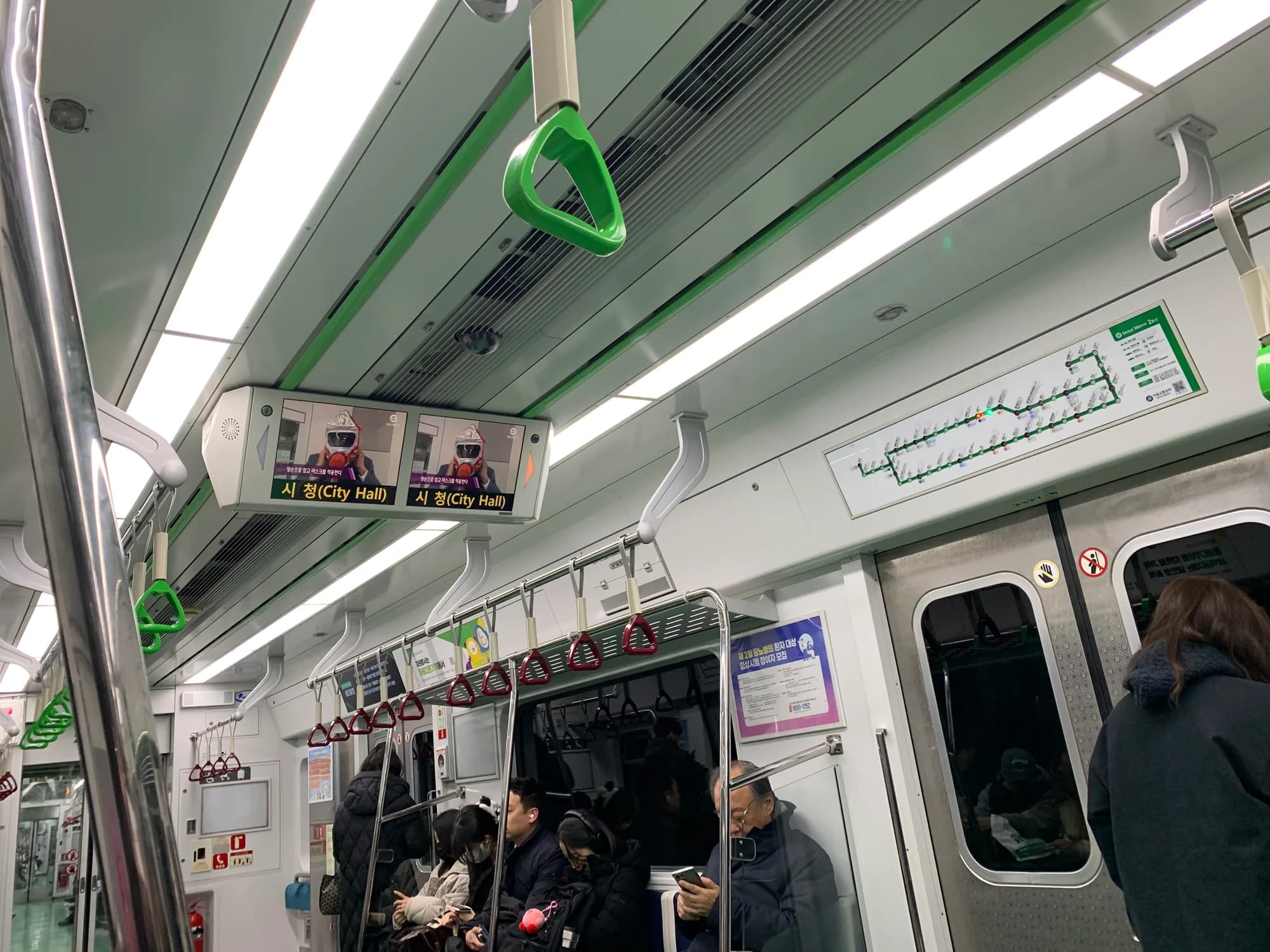
The subway car is packed. One bright pink seat is empty. Everyone can see it, and nobody moves.
Is sitting there illegal? No. Is it a good idea for an able-bodied, non-pregnant rider? In Seoul, usually not.
That gap between law and social expectation is the part visitors miss.
Pink Does Not Mean “Illegal to Sit”
Korea’s official Easy Law service answers the question directly: a non-pregnant passenger is not legally prohibited from using a pregnancy consideration seat, and there is no automatic punishment for doing so.
The Korean name, 임산부 배려석 (imsanbu baeryeoseok), matters. It means a “consideration seat for pregnant people,” not a seat enforced like a reserved ticket.
But Seoul’s public transportation ordinance also allows subway guards to recommend that non-pregnant passengers leave these seats empty. The city’s message is therefore stronger than “sit now and stand later.” It actively promotes 비워두기—keeping the seat open.
Why Seoul Asks Riders to Leave It Empty
Pregnancy is not always visible. Nausea, dizziness and fatigue can be intense in early pregnancy, long before another passenger can identify a bump.
That is why Seoul changed the visual language of the seat. Pink upholstery, emblems and floor markings make it recognizable before anyone sits down. According to the city’s October 2024 operating data, two pregnancy seats were installed in each car across the main subway network, with slightly different arrangements on the Sillim Line.
The empty seat is supposed to remove a small but real social burden: a pregnant rider should not have to disclose a medical condition or negotiate with a stranger before sitting.
The Badge Solves an Invisible-Pregnancy Problem
You may see a pink tag attached to someone’s bag. This pregnancy badge uses the same family-and-heart symbol found around the designated seat.
Its purpose is recognition, not permission. A pregnant visitor does not need Korean nationality—or a badge—to use the seat. The badge simply makes an invisible need easier for other riders to notice.
If a passenger approaches with the badge, give up the seat promptly. Do not stare at their body, ask how far along they are or wait for them to request it.
A Tourist’s Five-Second Decision
If you are pregnant, use the pink seat. You do not need to apologize, and you do not need to move for another pregnant passenger merely because they have a Korean badge.
If you are not pregnant but have a disability, injury or urgent health need, use the seating that safely meets that need. Not every condition is visible, and passengers should not police one another by appearance.
If you do not need the seat, leave it open—even when the rest of the car is busy. That is the clearest way to follow Seoul’s requested etiquette.
And do not place luggage there. A suitcase cannot notice the badge and stand up.
The pink seat is not a legal trap for tourists. It is a small piece of public design built around a generous assumption: someone you cannot identify may need it more, so make their arrival easy.