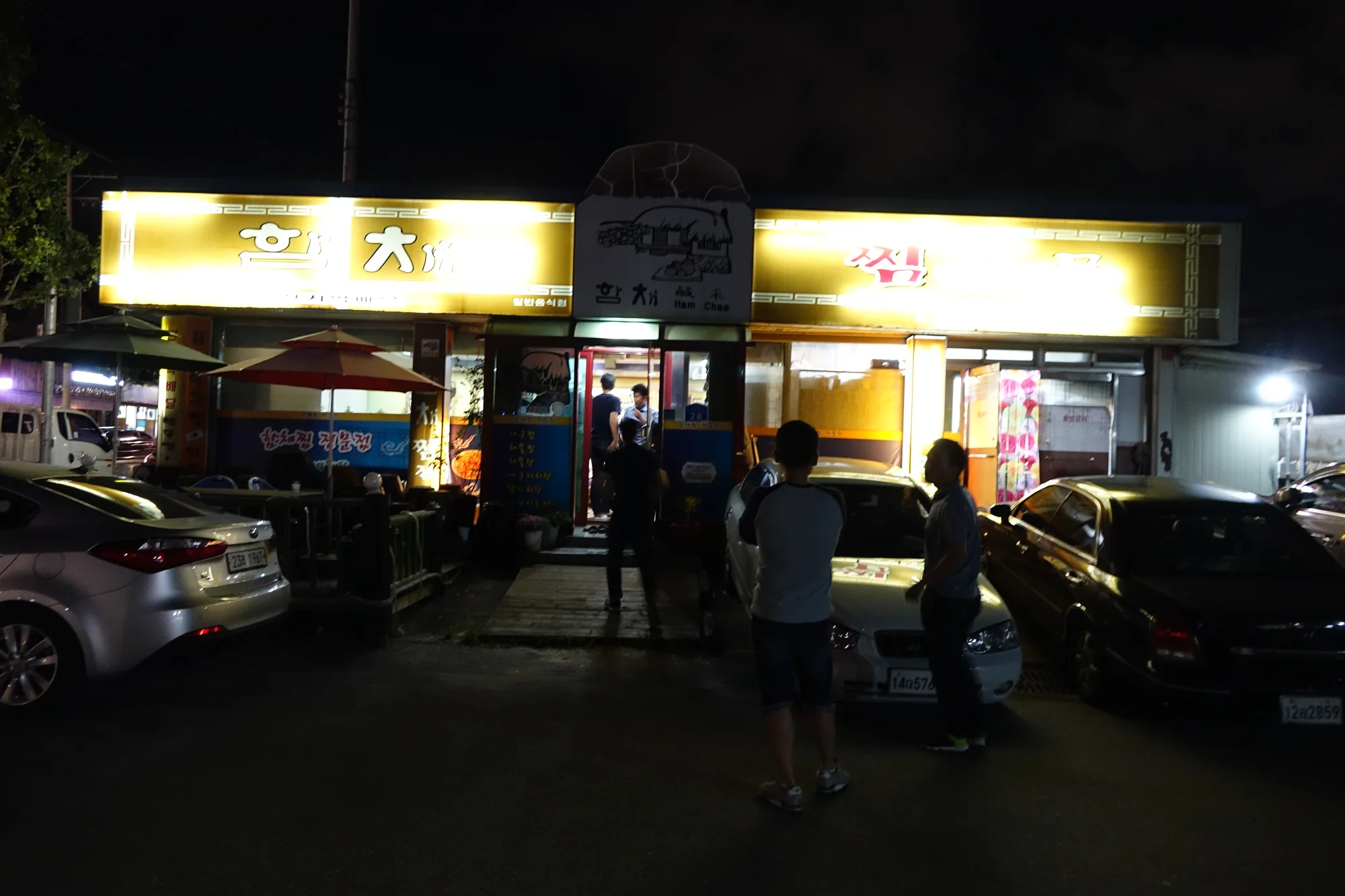
The card machine shows the total. There is no 18-percent button, no pen waiting beside a blank gratuity line and no pause in which the server expects you to perform mental arithmetic.
In most of South Korea, that is the whole transaction. Tipping is not customary, and staff do not normally expect an extra percentage at restaurants, cafés or in taxis. Pay the stated amount, say thank you and leave without guilt.
“No Tip” Is the Default, Not a Secret Test
Seoul’s official etiquette guide says tipping is not customary, while noting that an individual may accept or refuse it. Visit Gangnam gives the even plainer visitor answer: there is no tipping culture, and service charges are included in prices across the restaurants, cafés, taxis and hotels it describes.
That means a traveler from a tipping country does not need to recreate home rules in won. A 15- or 20-percent calculation is not hiding off-screen.
At a normal restaurant or café, pay the menu or checkout total. In a metered taxi, pay the meter plus any clearly stated tolls or fees. Delivery apps show their own order and delivery charges; they are not an invitation to hand cash to the rider.
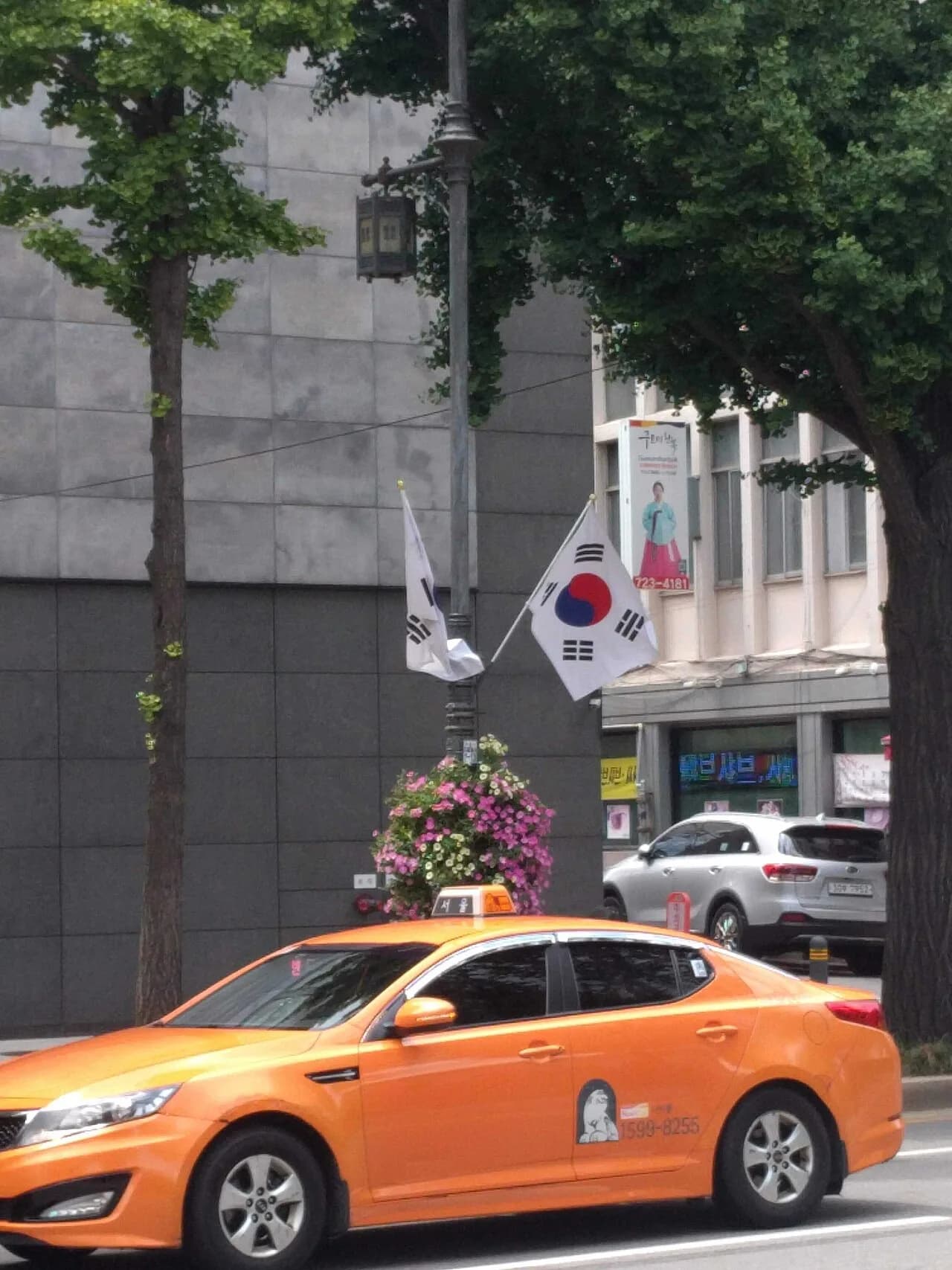
Before getting in, it also helps to understand Seoul taxi types and colors. Choosing a taxi service is a separate question from whether to tip.
Check the Bill Before Adding Anything
“No tipping culture” does not mean every price is displayed in exactly the same way.
Some tourist hotels, high-end venues or organized services may include a service charge. Conference visitor guides produced with Korea Tourism Organization information commonly tell guests that tipping is not traditional and that a service charge may already appear at tourist hotels or restaurants.
The useful distinction is simple:
- A service charge printed on the bill is part of the amount due.
- A tip handed directly to a worker is an optional extra and normally not expected.
- A tour package’s written gratuity policy belongs to that contract, not to Korea-wide etiquette.
Read first. Do not add another percentage merely because the receipt says “service.”
Cash Left Behind May Look Like a Mistake
Leaving loose bills on a restaurant table can create the opposite of the graceful exit you intended. A worker may think you forgot your change and try to return it.
If someone has done something genuinely exceptional and you want to offer money, ask rather than making them chase you: 팁 받아도 돼요? (tip badado dwaeyo?, “Is it okay to accept a tip?”). Be ready for a polite refusal.
That refusal is not bad service or false modesty. The person may be following workplace rules, avoiding confusion at the register or simply treating the listed price as complete.
Appreciation Has Better Local Translations
Korean service workers understand warmth without a cash percentage attached. 감사합니다 (gamsahamnida, “thank you”) is enough. At a restaurant, 잘 먹었습니다 (jal meogeotseumnida, “I ate well”) is a natural way to thank the people who prepared and served the meal.
You can also leave a specific, honest review through the platform where you found the business. Mention the dish, careful service or language help rather than writing only “good.” For an independent shop, returning with a friend can mean more than a folded bill.
The Exceptions Belong to the Situation
Private guides serving international groups may be accustomed to overseas tipping habits. Luxury hotels can have their own standards. A globally booked tour may state gratuities in its terms. None of those cases turns tipping into a general Korean obligation.
If an explicit tip prompt appears at a business, treat it as that business’s request. You are not insulting Korean culture by declining an optional prompt, and you are not required to hunt for a tip jar that is not there.
The non-awkward answer is the easiest one: pay the bill you were given. In Korea, good service and a tip are not automatically one transaction.