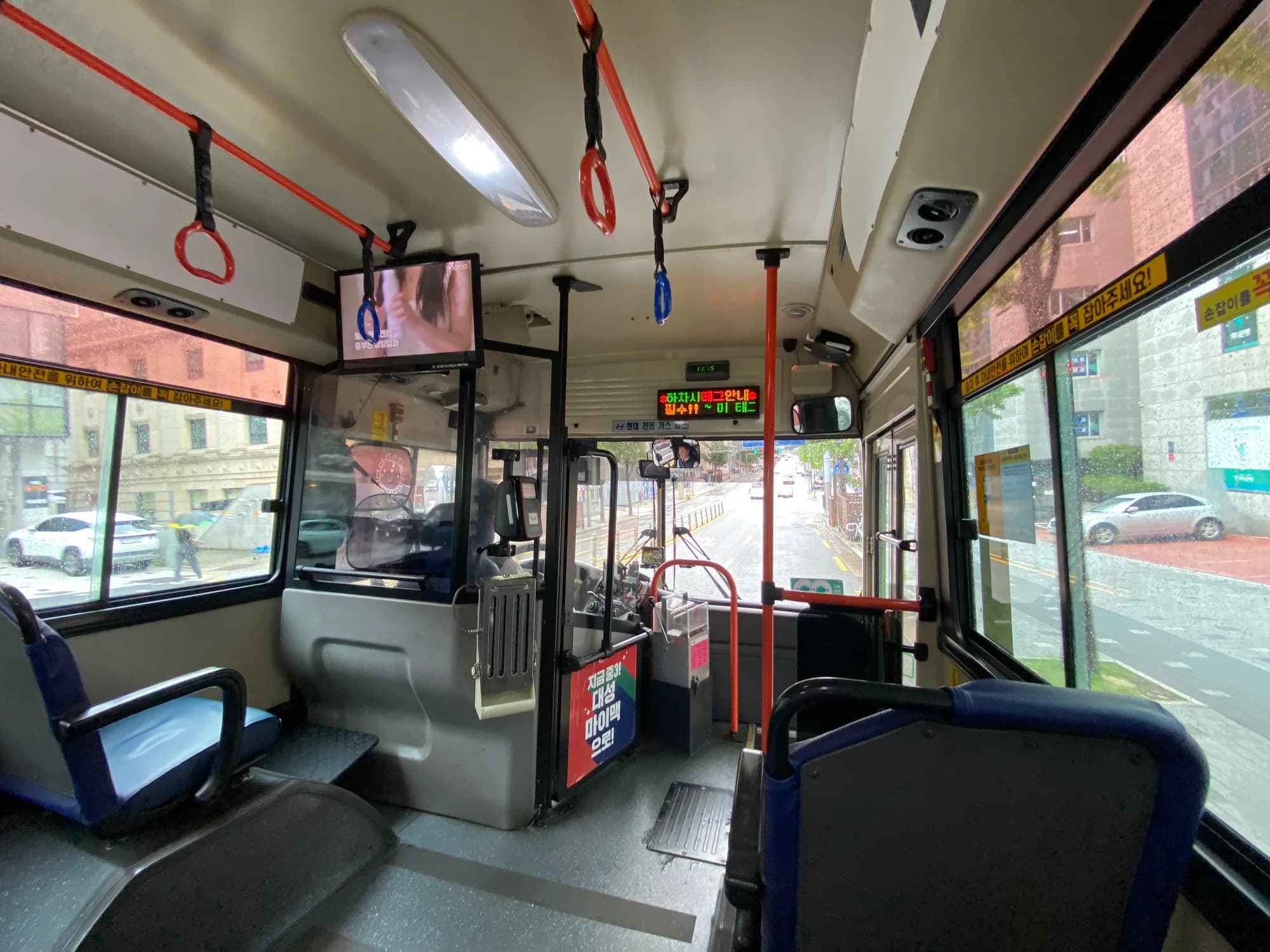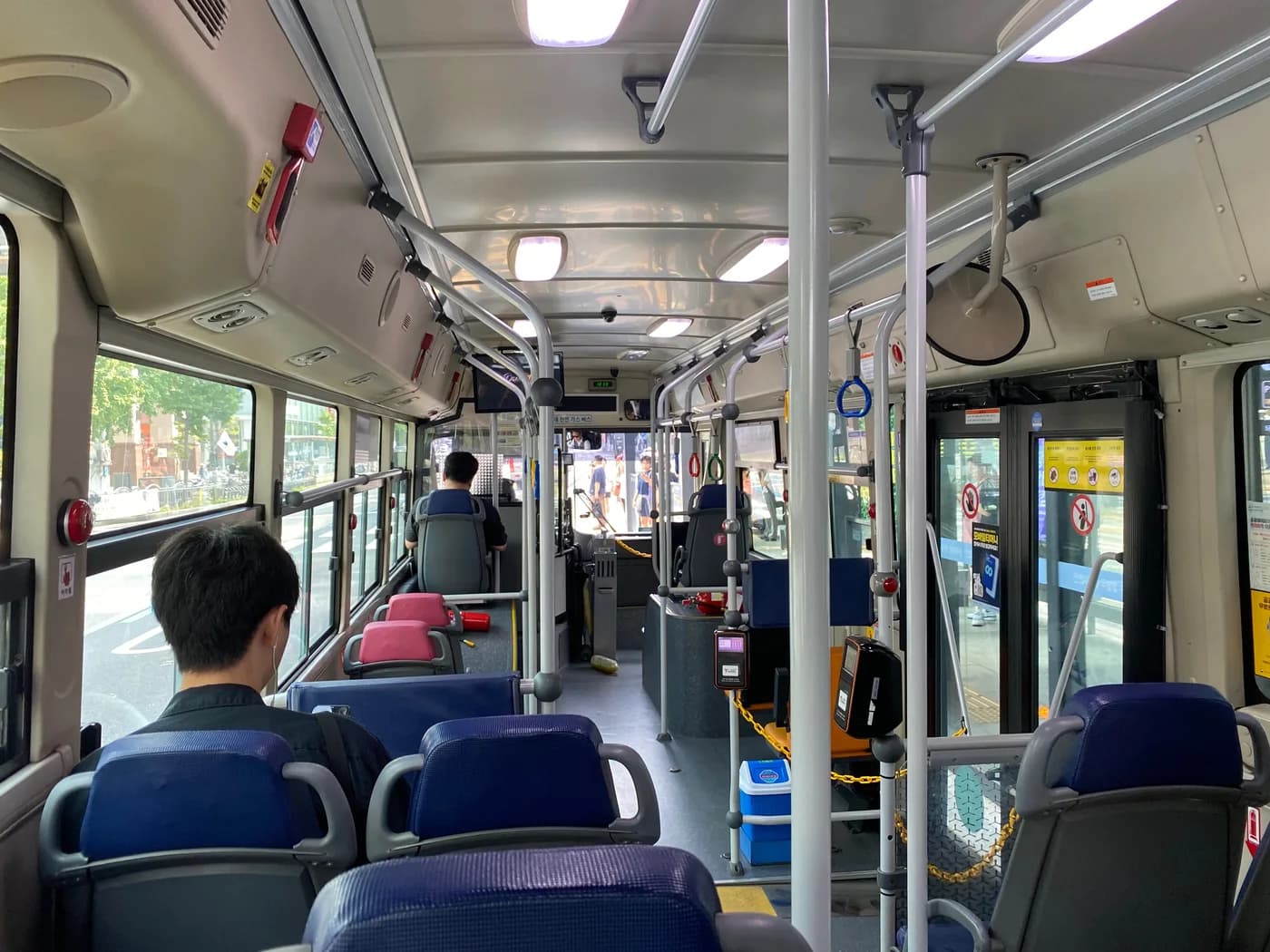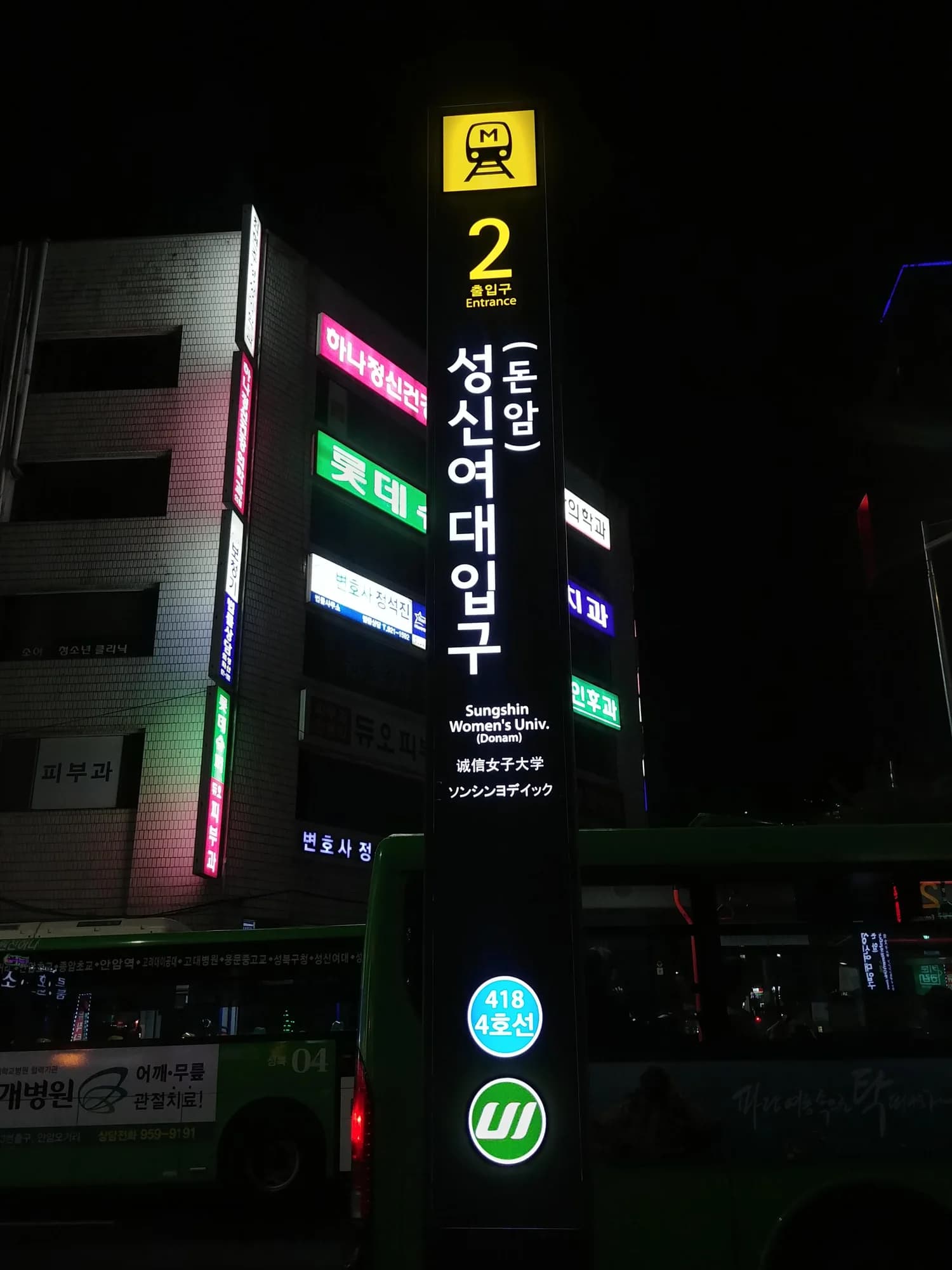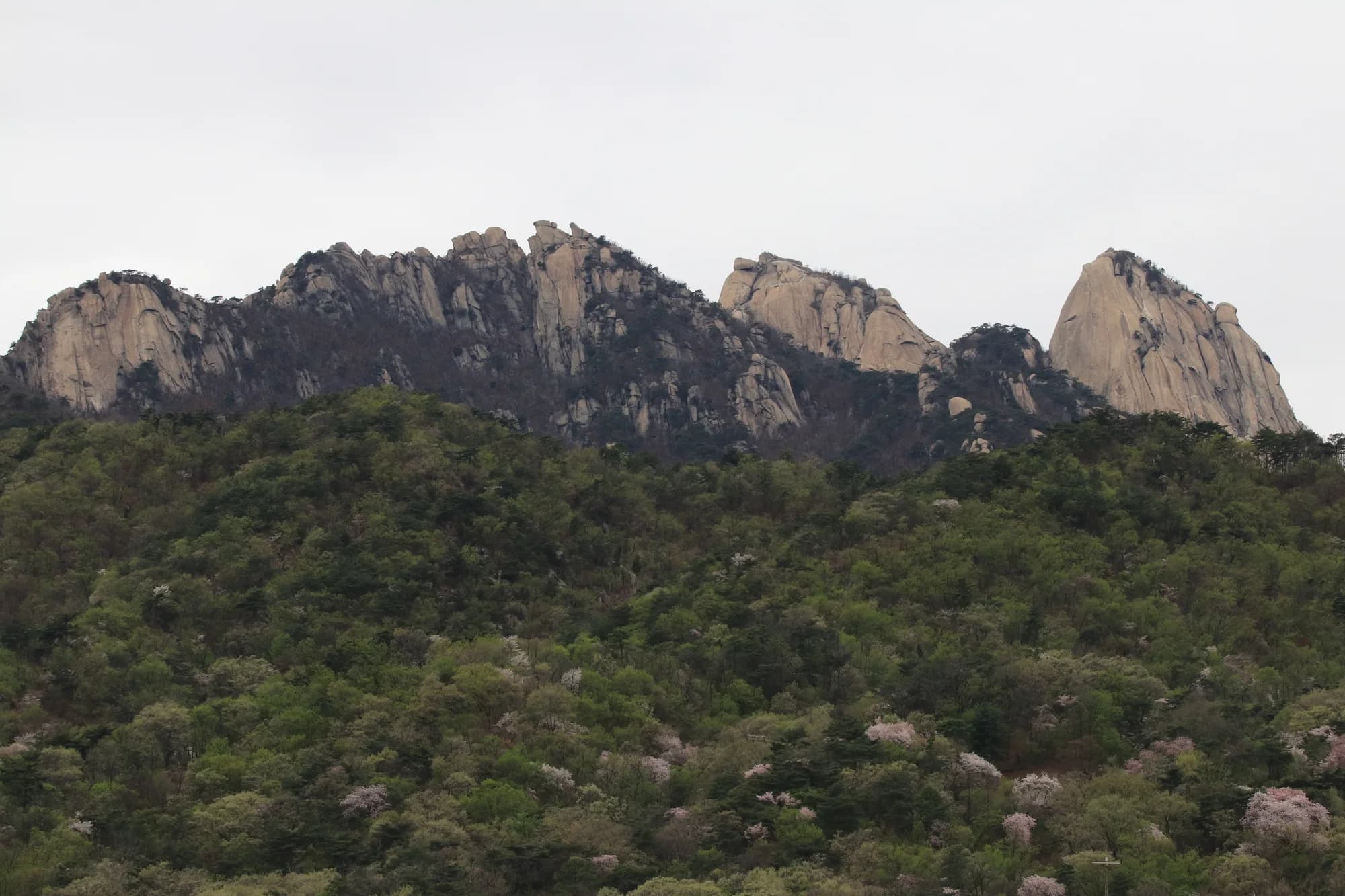
Seoul has palaces, museums and shopping streets. It also has trailheads you can reach by subway.
That proximity is helping turn hiking from a local weekend habit into a visitor experience. Korea’s national parks recorded 2.05 million foreign visits in 2025, including 1.13 million visits by overseas tourists and 920,000 by foreign residents, according to government data.
A Mountain Can Fit Between Breakfast and Dinner
Many Korean mountain trips do not require a remote expedition. Bukhansan, Gwanaksan and Achasan connect urban neighborhoods to marked trails, transit and restaurants. Visitors can experience a substantial climb and return to the city the same day.
Seoul data cited by The Korea Times showed foreign visitation rising 11.8 percent at Achasan and 10 percent at Gwanaksan year over year.
The Hike Does Not End at the Trailhead
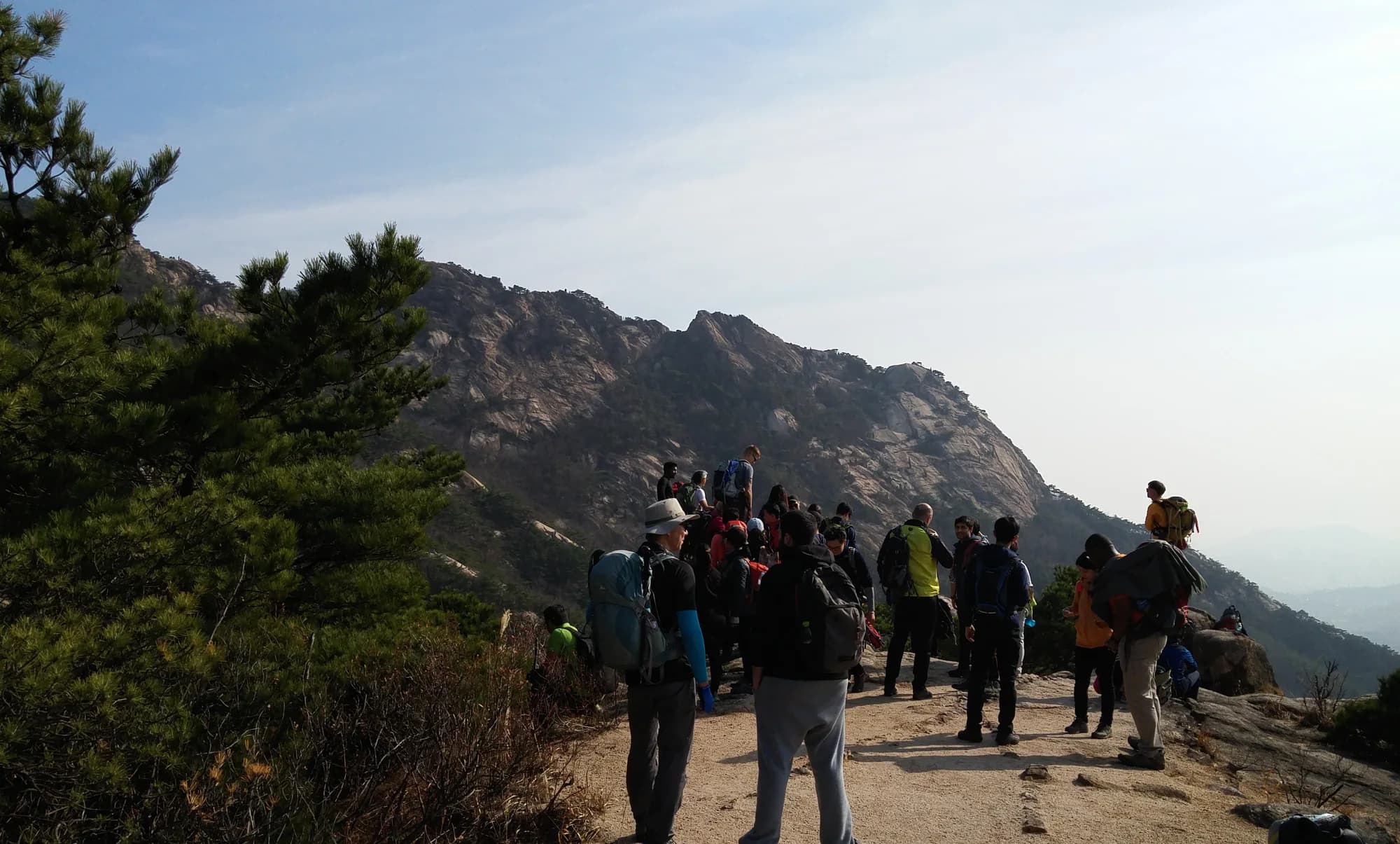
For many Koreans, hiking includes a social rhythm: meeting early, sharing snacks, reaching a viewpoint and eating together afterward. Pajeon and makgeolli are common post-hike references—not mandatory rituals, but recognizable parts of the culture around popular trails.
Tourism Support Is Catching Up
Authorities are expanding multilingual guidance, ranger programs and gear rental. Participating locations may offer boots and trekking poles, reducing the need for international travelers to pack specialist equipment.
That convenience does not remove risk. Weather, trail closures, footwear, daylight and individual fitness still matter. Visitors should use official park guidance rather than social-media difficulty ratings.
The appeal is not that mountains have replaced palaces. It is that Korea’s cities make room for both—sometimes on the same day.