Moving into a Korean home can come with an edible introduction: pat sirutteok (팥시루떡), a steamed rice cake layered with red beans. Often called isa tteok (이사떡), or “moving rice cake,” it has traditionally carried two messages at once—wishing away misfortune at a new threshold and saying a warm hello to the people next door. It is a custom some households still observe, not a rule that every person in Korea follows. (encykorea.aks.ac.kr)
The cake is called sirutteok—but the red beans matter
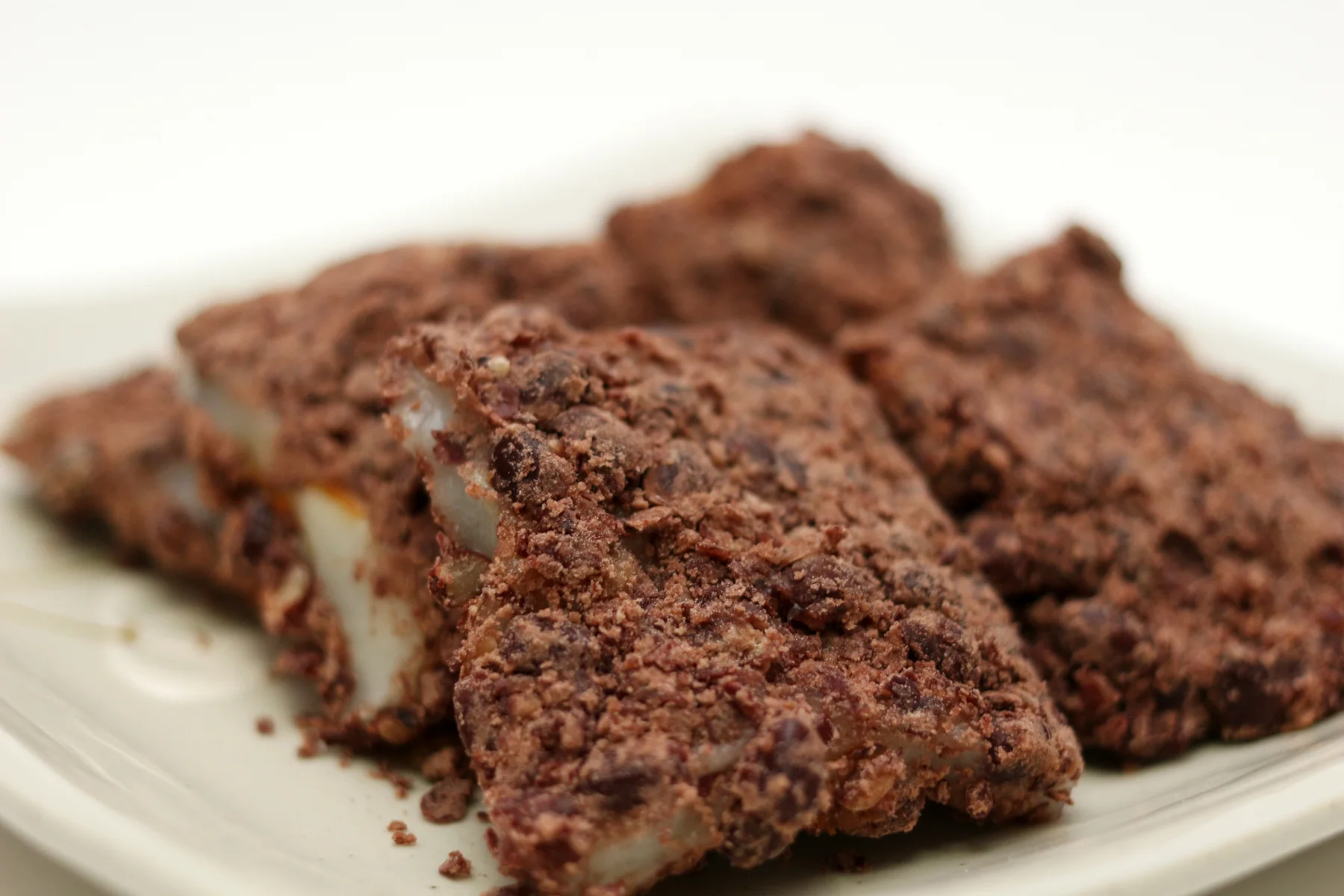
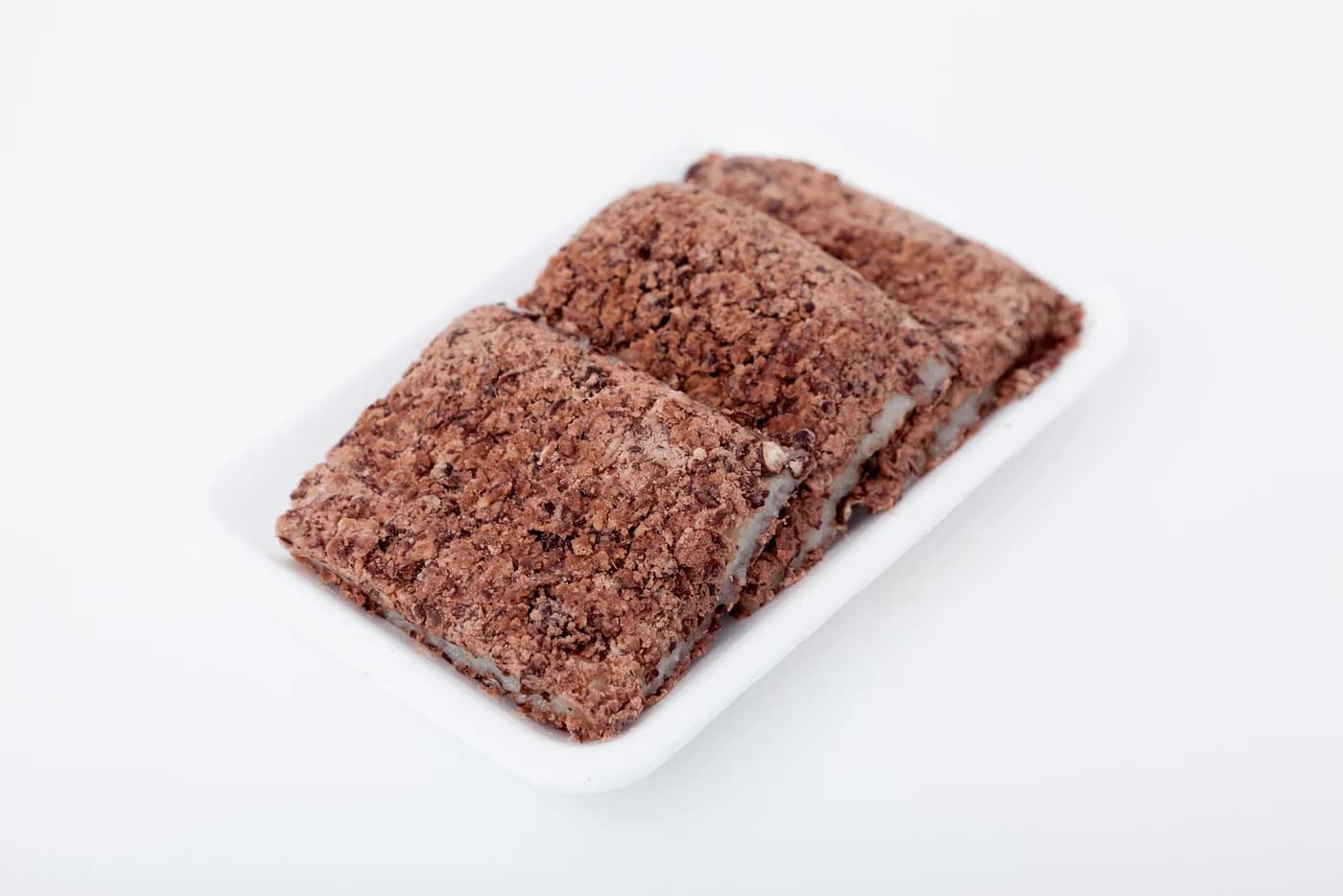
Sirutteok broadly means tteok steamed in a siru (시루), a traditional vessel placed over a pot so steam rises through holes in its base. The familiar version associated with moving is pat sirutteok: rice flour steamed in layers with red-bean topping or filling. “Rice cake” is the closest English shorthand, though its texture is more soft and grainy than a Western sponge cake. (encykorea.aks.ac.kr)
The name can be slightly confusing. Historically, sirutteok included many steamed rice-cake varieties, using ingredients from beans and pumpkin to fruit. In everyday modern usage, however, people often picture the white-and-deep-red layered pat sirutteok first—and that is the version closely tied to moving in and opening a business. (hansik.or.kr)
Red beans were believed to guard a new beginning
The red bean is not only there for flavor. In Korean folk belief, red was associated with driving away harmful spirits and bad luck. That is why red-bean sirutteok appeared at major life moments and rituals: it represented a wish that a family’s new start would be safe and fortunate. This is a traditional belief, rather than a claim that the food itself literally changes one’s luck. (webzine.nfm.go.kr)
This protective meaning of red differs from the taboo around writing a living person’s name in red ink: the context matters as much as the color.
Historical accounts of moving customs describe people making red-bean sirutteok after arriving at a new home. In some settings it could be used in a rite for Seongju, a household guardian deity in folk religion, before being shared with neighbors. The custom therefore joined a private wish for well-being with a public act of goodwill. (encykorea.aks.ac.kr)
A box of tteok can do the work of a first introduction
For neighbors, the practical meaning is simple: “I’ve moved in—please look kindly on us.” The National Folk Museum of Korea describes moving-day tteok as a beginning of communication with neighbors, while the Korean Food Promotion Institute calls today’s sharing of pat sirutteok with neighbors a modern continuation of older good-fortune customs. (webzine.nfm.go.kr)
That social role makes particular sense in apartment buildings, where people may share hallways, elevators, parking areas, and the sounds of daily life without really knowing one another. The rice cake is a low-pressure greeting: it acknowledges that a new household has joined the immediate community.
Is giving isa tteok expected in Korea today?
No. It is better understood as an optional custom than as a moving-day obligation. Official tourism guidance still notes the practice of sharing sirutteok with neighbors when moving to a new house, but households differ in whether they do it, what they give, and how widely they distribute it. (english.visitkorea.or.kr)
A new resident may choose sirutteok, another small packaged snack, or simply a courteous verbal introduction. And a neighbor who receives tteok is not expected to return a gift. The central point is consideration, not performing a ritual perfectly.
Don’t confuse isa tteok with jipdeuri
Isa tteok is the moving-in rice cake handed to neighbors. Jipdeuri (집들이) is a housewarming gathering hosted after moving, usually for friends, relatives, or colleagues; toilet paper is one familiar jipdeuri gift. Both mark a new home, but one is a neighborly greeting and the other is a social visit or celebration. Traditional descriptions of moving customs include both sharing rice cakes with neighbors and gathering with close contacts after the move. (encykorea.aks.ac.kr)
So if a Korean neighbor offers you a square of red-and-white sirutteok, the gesture is larger than dessert. It carries an old wish for a peaceful home, packaged as a very immediate—and very human—first hello.