You have twelve minutes before a friend arrives, one chorus stuck in your head and no desire to book a whole karaoke room. In Korea, that is enough time for coin noraebang.
The name is wonderfully literal: noraebang means “song room,” while the coin version turns it into a short, low-commitment stop. You enter a compact private booth, buy a small amount of singing credit and leave when the last song ends. No audience of strangers required.
Coin Noraebang Charges by the Song—or a Short Timer
Traditional noraebang usually rents a room for a block of time. Coin noraebang commonly offers a smaller booth and a choice based on songs, minutes or both. The exact deal appears on the payment screen or wall notice and varies by venue.
Despite the English name, a modern booth may accept banknotes, cards or a kiosk payment as well as coins. Do not assume that one 500-won coin always equals a fixed number of songs; Korea.net’s official Facts About Korea describes the pay-per-song idea, but the real price and bundle are set by the shop.
Before paying, check whether the display says 곡 (gok, songs) or 분 (bun, minutes). That one character tells you what the countdown is measuring.
Five Buttons Get You Through the Session
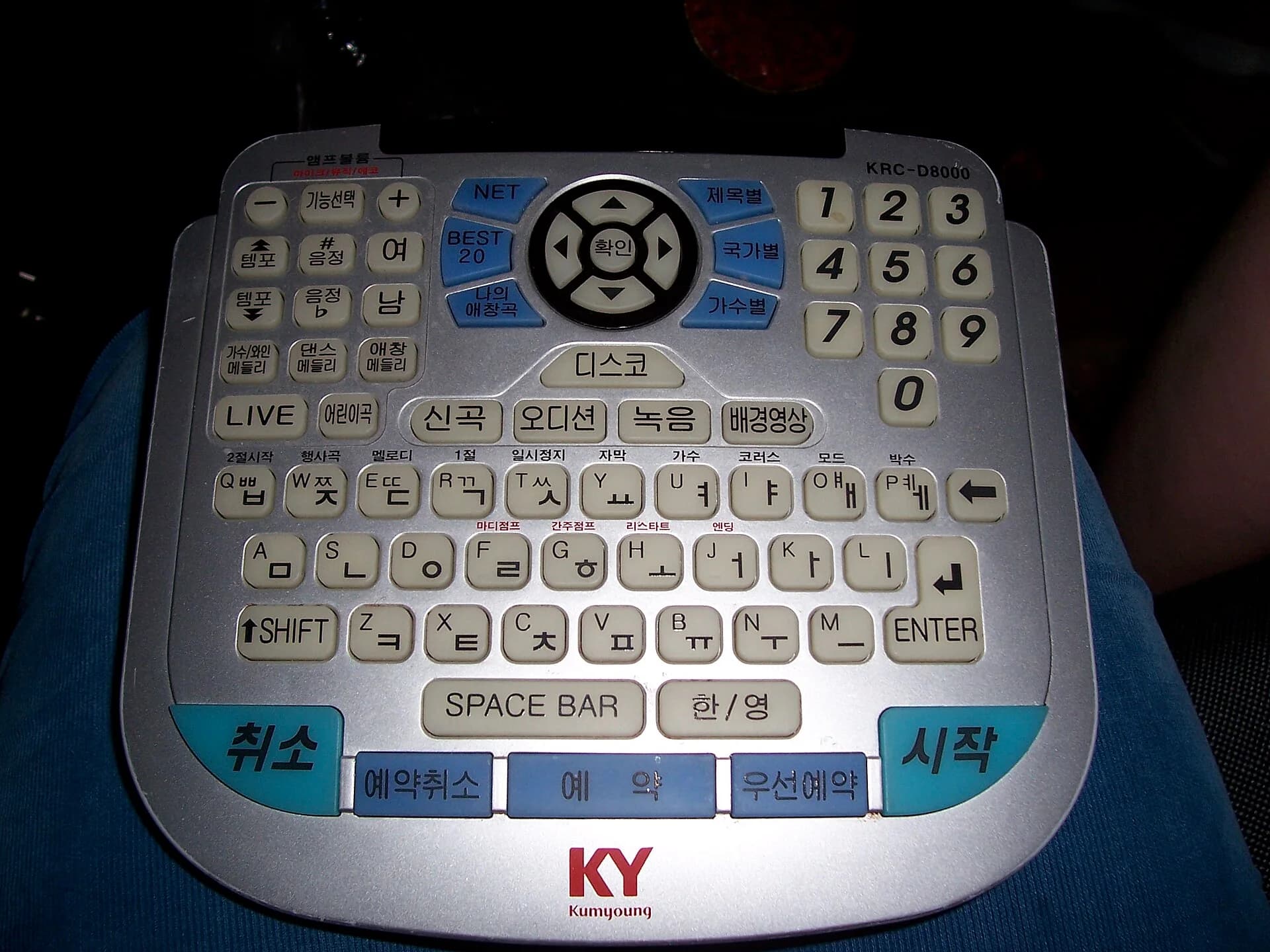
The remote can look like a small aircraft dashboard. You only need a tiny part of it:
- 제목 (jemok) searches by song title.
- 가수 (gasu) searches by singer.
- 예약 (yeyak) adds a song to the queue.
- 시작 (sijak) starts the selected song.
- 취소 (chwiso) cancels or stops.
If you already know the song number, type it and press 예약 so you do not interrupt the track playing now. An 한/영 key switches between Hangul and English input on many systems. TJ Media’s official song tools also support searches by title, singer and language, although the screen and remote layout differ by machine.
The Booth Is Private, Not Soundless
The closed door separates your group from the next booth, but it does not create a recording studio. Keep the door shut, do not shout in the corridor and leave food or drinks outside if the venue says so.
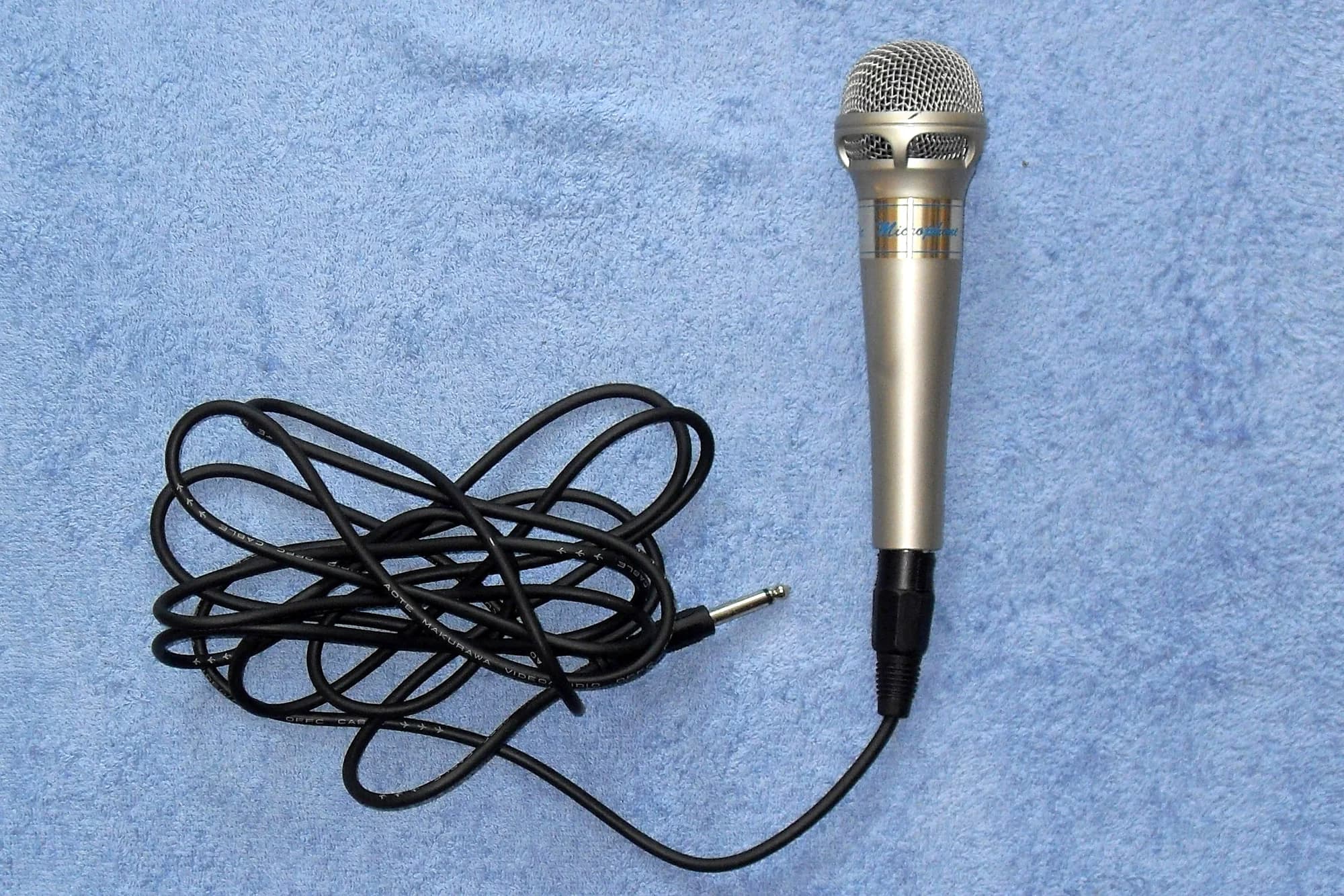
Microphone covers, wipes and a trash bin may be provided. Use the booth as you found it: return the microphone, take cups and wrappers and do not strike the tambourine against furniture. A machine problem is a reason to call staff, not to test how hard the remote can be pressed.
Some shops operate with little or no visible staffing. Photograph the booth number if you may need help, and check the exit procedure before settling in late at night.
Solo Singing Is the Feature, Not the Failure
The small booth changed the social script. Korea.net’s government guide notes that more people use karaoke alone, and coin noraebang makes a one- or two-song visit practical between classes, errands or appointments—much like a quick four-cut photo-booth session can fit into an ordinary outing.
Going alone does not announce that you have no friends. It can be rehearsal, stress release or simply a way to sing the difficult part without anyone waiting for their turn. Two people also fit many booths comfortably; larger groups should choose a full-size room rather than squeeze into the smallest cabin.
That is what outsiders often miss. Conventional noraebang grew around group bonding, including after-work gatherings. Coin noraebang keeps the private-room idea but removes the need for an occasion.
The Score Is Entertainment, Not an Audition
Many machines flash a number after the song. Treat it as a game produced by that machine, not a professional assessment of pitch, emotion or star potential. Settings may also change key, tempo, echo, guide melody or background video.
If the original key hurts, use 음정 (eumjeong, pitch/key) rather than forcing the note. If a long instrumental break is eating your paid time, look for a jump or skip control. The precise buttons vary, so ask staff or use on-screen icons instead of memorizing one remote from the internet.
Then the credit reaches zero, the dramatic score appears, and you step back into the street having completed a full night-out ritual in roughly the time it takes to finish an iced coffee. That compressed joy is the whole point.