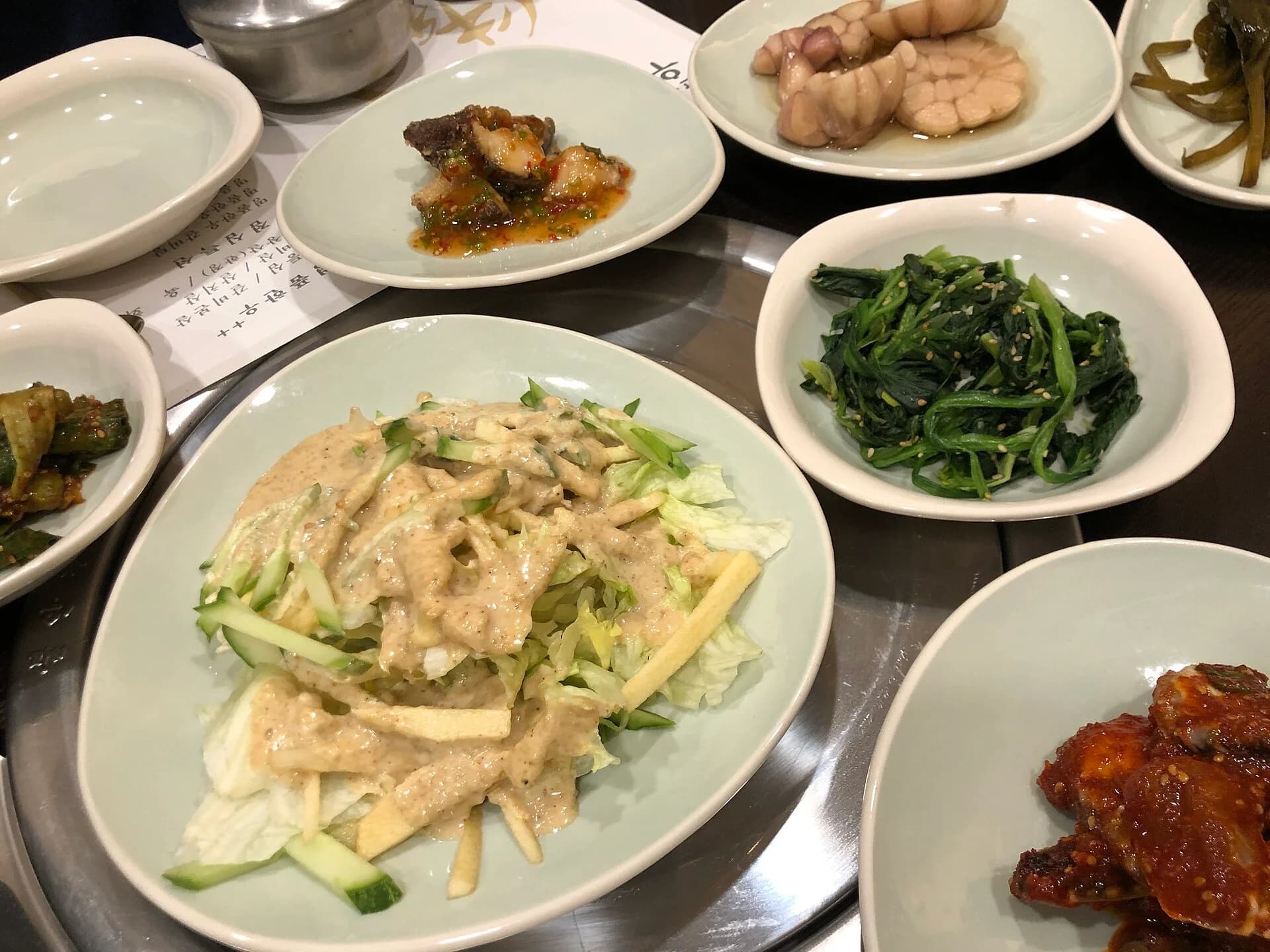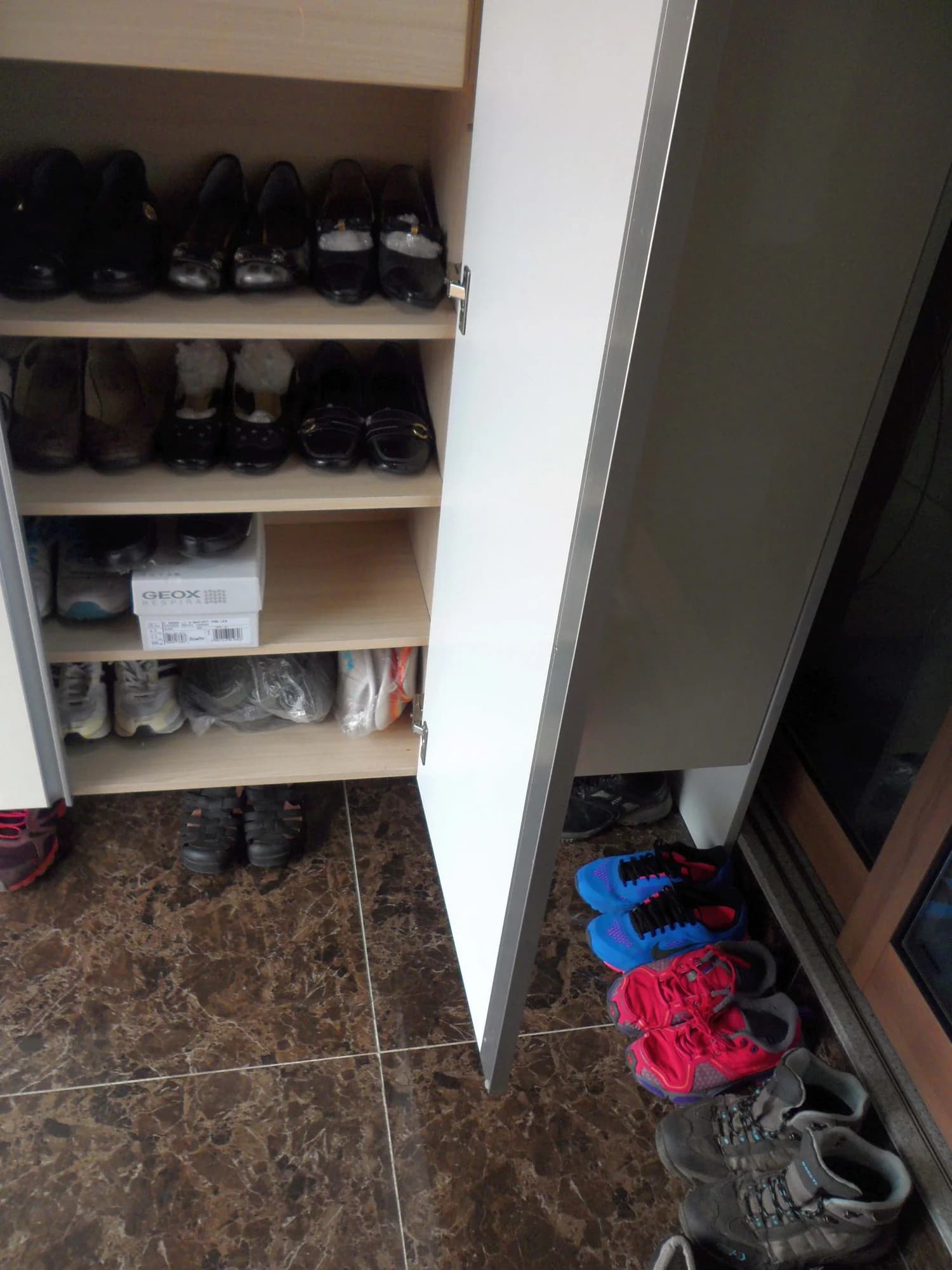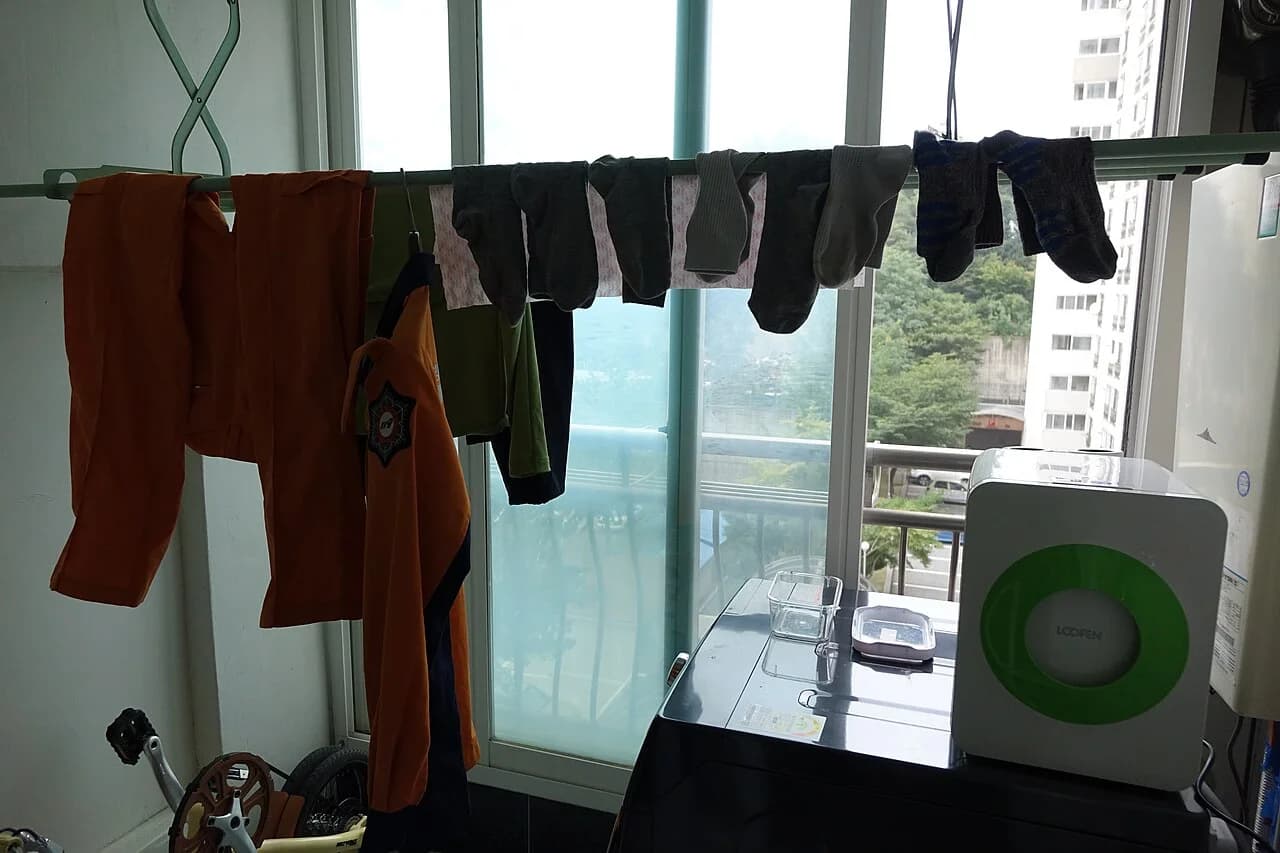
A bapsang (밥상) is low because Korean home life historically developed around the floor—especially the warm floor created by ondol (온돌) heating. A table close to that floor made it possible to bring a meal into a room used for sitting, resting and sleeping. But the useful modern-day answer is more nuanced: many Korean households use dining tables and chairs, while low tables remain one familiar option for casual meals, guests, holiday gatherings or simply relaxing at home. (nfm.go.kr)
The warm floor came first
Ondol is Korea’s traditional underfloor-heating system. In its earlier form, heat and smoke from a kitchen fire passed beneath a raised floor before exiting through a chimney; the floor itself became a warm surface for domestic life. That physical comfort helped make floor-level sitting and sleeping practical, rather than treating the floor as a space to avoid. (mdpi.com)
The connection is still visible in Korea’s National Folk Museum programming: it explicitly presents ondol and floor-sitting culture together, and uses a miniature soban (소반)—a traditional small dining table—to introduce the subject. (nfm.go.kr)
Bapsang and soban: related, but not identical
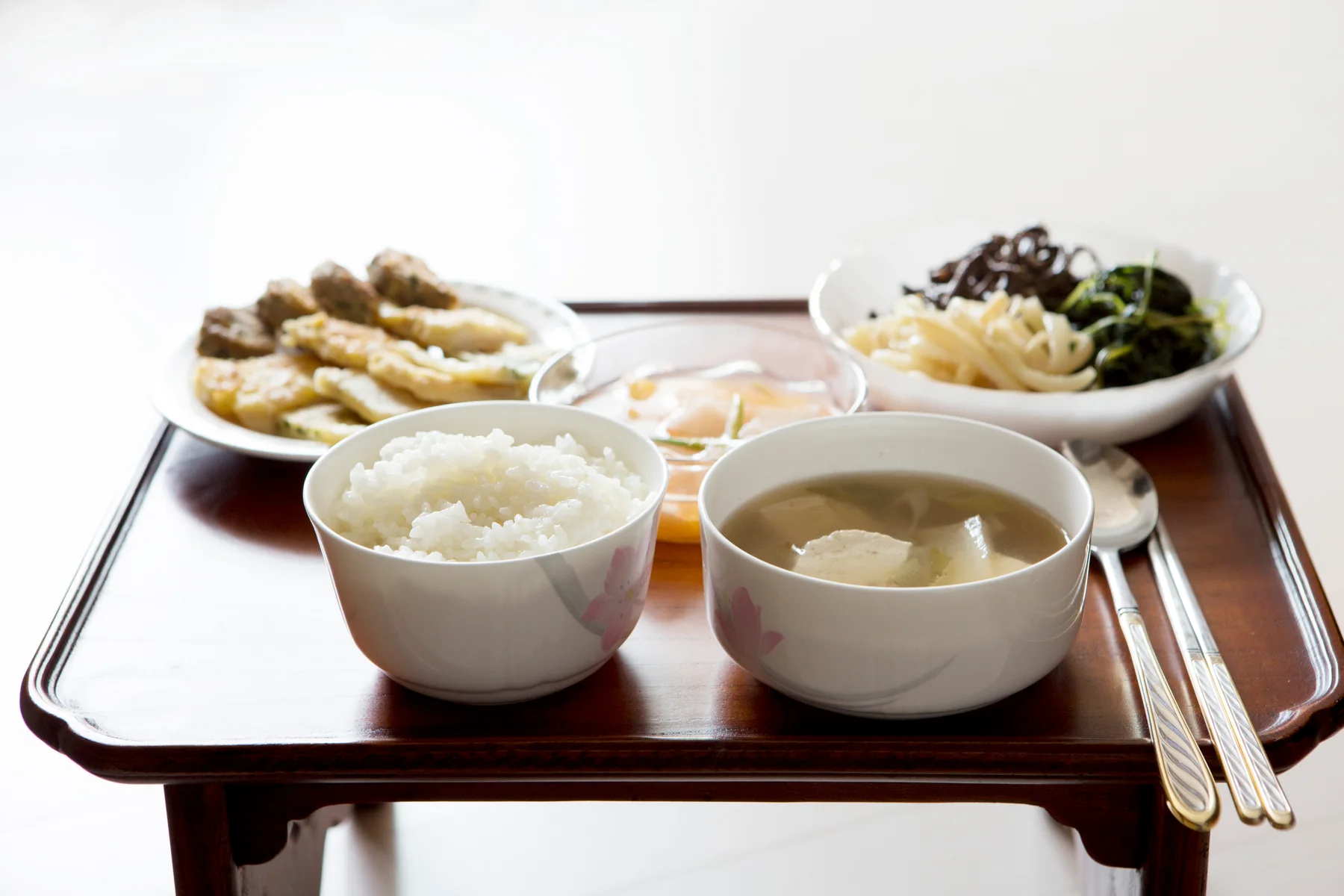
In everyday Korean, bapsang broadly evokes the meal table or a table laid with a rice-based meal. It is the word most useful when you are looking at a low table set for eating.
Soban is the more specific historical object: a small, portable dining table used while people sat on the floor. Museum research notes that soban were used across Korean history by people from royal households to commoners. Their size and portability also helped carry food from a kitchen to another room. (museum.ewha.ac.kr)
That history can surprise visitors who expect one large family table. In some Joseon-era households, individuals—particularly elders or people of higher status—could dine from separate soban, while close relatives and friends might share. That was a historical dining arrangement, not a rule to project onto every Korean family meal today. (korea.net)
One room, more than one job
A low table works especially well in a room that is not permanently a dining room. Set out the table for a meal; clear it away afterward; use the same floor area for conversation, children’s play, stretching, watching television or laying out bedding.
That flexibility is the key to understanding the bapsang. It is not simply a “traditional-looking” piece of furniture. In a floor-oriented room, its low height keeps the meal within reach of seated diners and leaves the room easy to reconfigure afterward. This is a practical inference from the portable-table tradition and floor-based domestic spaces documented by museum and architectural sources. (korea.net)
Why low tables still appear in modern Korean life
Floor culture did not freeze in the past. Modern Korean interiors combine older habits with sofas, beds, desks and chair-height dining tables. Research on Korean seating history describes floor sitting and chair sitting as coexisting, even as chair-based living expanded. (jstage.jst.go.jp)
So a low folding table in a contemporary apartment may be used for late-night snacks, a simple family meal, a game, food delivery, holiday food preparation or guests—not necessarily every breakfast, lunch and dinner. Conversely, a home with ondol heating may still have a full-height dining table. The table is a choice shaped by household routine, available space and comfort.
If you are invited to eat at one
First, follow the host’s lead on footwear. In homes—and in restaurants with ondol-style floor rooms—shoes may be removed before entering the seating area. (english.visitkorea.or.kr)
Second, do not assume you must sit cross-legged. People may sit with legs folded to one side, kneel briefly, stretch their legs where space permits, or use floor chairs and cushions. If sitting on the floor is difficult, ask for a chair or a more comfortable place; a considerate host will understand.
Finally, the low height does not change the core meal etiquette. Korean meals commonly place shared dishes on the table at once, and a spoon is central for rice and soup. When dining with older people in a formal or family setting, it is customary for younger diners to wait until elders begin before starting. Many households, however, eat quite casually—so read the room rather than treating etiquette as a performance. (korea.net)
The bigger idea behind the bapsang
A Korean floor table makes the most sense when seen as part of a system: a heated floor, shoes left at the threshold, a room that changes purpose through the day, and a meal arranged close enough for everyone to reach shared dishes. The bapsang is a small object, but it points to a larger design logic—one where the floor is active living space, not merely the surface beneath the furniture.