Turn up the heat in a Korean apartment and the first warm thing may not be the air. It may be the floor beneath your socks.
That is the modern descendant of 온돌 (ondol), Korea’s underfloor-heating tradition. The old and new systems do not use the same machinery, but they share the defining idea: heat the floor, then let that large surface warm the room and the people close to it.
The Traditional System Was Built Beneath the Room
A traditional ondol began at an 아궁이 (agungi), a firebox that was often connected to the kitchen hearth. Hot gases and smoke traveled through channels called 고래 (gorae) beneath stone slabs, heating the mass of the floor before leaving through a flue and chimney.
The Academy of Korean Studies describes the firebox, underfloor passages, stone slabs and chimney as one connected system. Korea.net likewise explains that heat stored in the floor spread across the room rather than staying beside a single fireplace.
That does not mean every historic house worked identically. Fuel, flue patterns, room size and regional climate produced variations, and poorly maintained combustion systems carried smoke and fire risks. Traditional ondol was architecture, not a portable appliance.
Modern Ondol Usually Means Hot Water, Not Smoke
In a contemporary apartment, smoke is not routed under the living-room floor. A boiler or district-heating system normally heats water, which circulates through embedded pipes. The warmed floor then radiates heat upward.
Korea.net’s account of modern hanok and apartments makes this distinction directly: burning wood in the traditional system gave way to boiler-heated water circulating through the home. People may still casually call the result ondol because the lived experience—a warm floor—is continuous.
Controls vary. A wall thermostat may manage the whole home or separate zones, and settings can distinguish room heat from domestic hot water. Residents should follow the installed controller and building guidance; there is no universal Korean button sequence.
Why the Floor Became Living Space
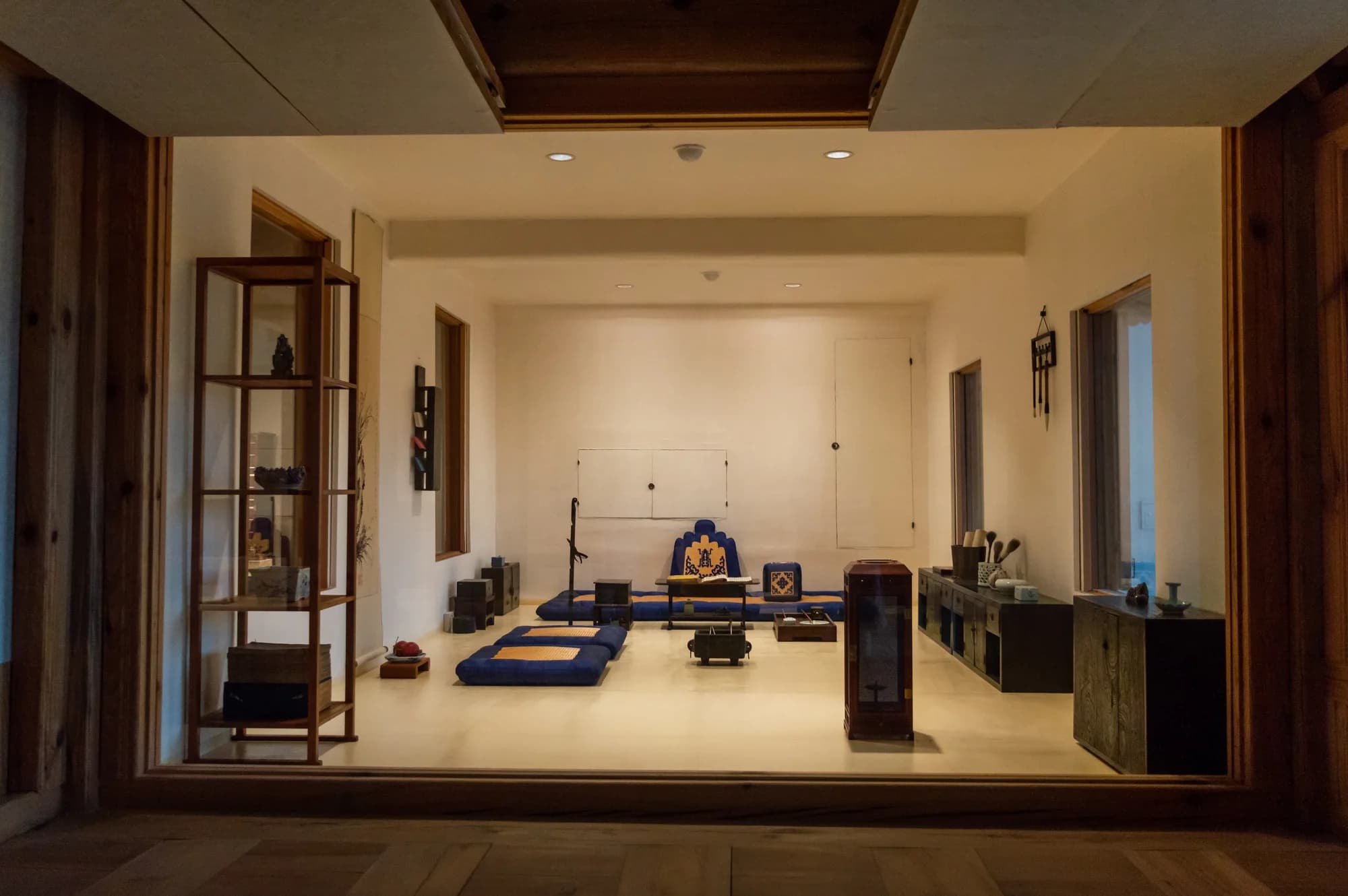
A warm surface is inviting in a way a cold floor is not. Over time, ondol supported rooms where people could sit, eat and unfold bedding close to the heat. That history helps explain why floor sleeping remains a recognizable option and why a low bapsang can fit naturally into home life.
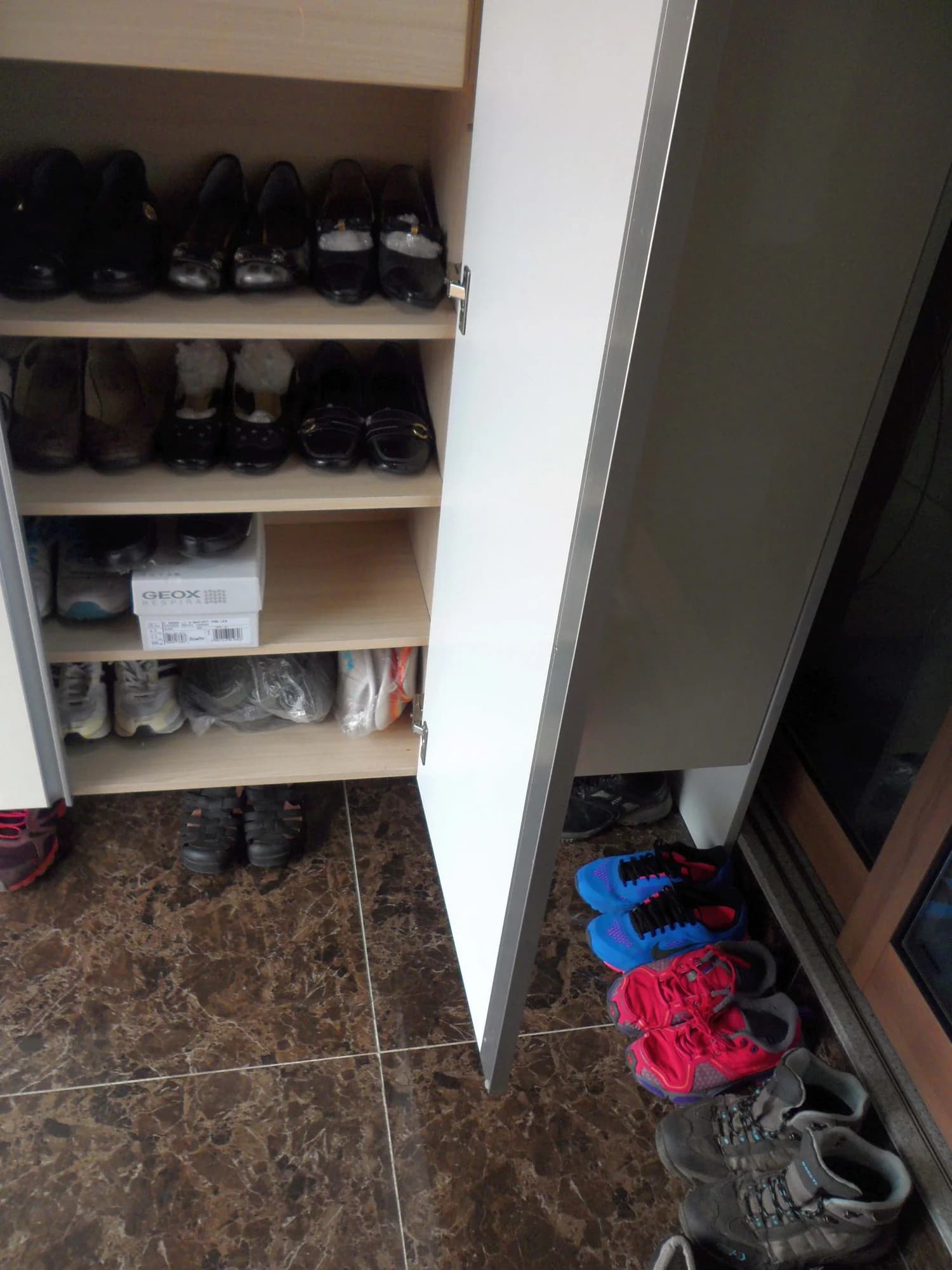
It also makes the floor easier to read as furniture-adjacent space rather than a place only for shoes. The shoes-off boundary at a Korean entrance keeps outdoor dirt away from a surface used much more directly.
The connection is cultural, not compulsory. Many Koreans sleep in beds, eat at chair-height tables and rarely sit on the floor. Modern furniture and floor heating coexist.
What Visitors Often Notice First
Floor heat has a delayed feel. The embedded floor mass takes time to warm and can remain warm after the system cycles down. Turning the thermostat sharply higher may not produce instant comfort; it can simply leave the room too hot later.
In a hotel, rental or guest room, ask how the controller works before changing unfamiliar modes. Do not cover a large heated area with thick insulating materials unless the property says it is safe, and never treat a very hot floor as the required “Korean” setting.
The useful answer to “What is ondol?” therefore has two layers. Historically, it is a combustion-and-flue system that heated stone from below. In ordinary modern speech, it often refers to hydronic floor heating descended from that principle. The technology changed dramatically; the warm floor—and the habits it helped make practical—stayed legible.