A character reaches a Korean apartment, taps a dark panel, enters a few numbers and walks in without ever producing a key. The scene moves so quickly that the door can look like a storytelling shortcut.
It is not. Digital door locks are a familiar part of Korean residential life, especially in apartments and one-room rentals. In Korean, the device is normally called a 도어락 (do-eorak, “door lock”), while its PIN is a 비밀번호 (bimilbeonho, “password”).
The convenience is real—but the exact buttons, access methods and emergency steps depend on the model.
The Keyless Scene Is Not a K-Drama Invention
Korea’s smart-home industry did not begin with phone apps. The Ministry of Science and ICT has described a housing market in which connected features were often installed by developers before residents moved in. Its intelligent-home strategy specifically lists door locks alongside smart lighting and AI speakers as devices that can also be added later.
That helps explain why the keypad can feel like part of the building rather than a gadget someone bought last week. Korea.net’s reporting on technology-equipped apartments also describes wall panels that connect entry, visitor cameras, security and other home controls.
None of this means every Korean home is keyless. Older houses, remodeled buildings and individual rentals vary. The useful takeaway is narrower: seeing a resident type a code at the front door is ordinary enough that a drama rarely needs to explain it.
One Door Can Offer Several Ways In
A digital lock may accept a PIN, a dedicated card key, a fingerprint or a phone-linked credential. Some models combine several methods; simpler ones may offer only a password and card.
The lock can also engage automatically after the door closes. That little electronic melody often heard after someone enters is usually a status sound, not a building alarm. Automatic and manual locking modes exist, so a beep should never replace checking that the door actually latched.
There is no universal “Korean door-lock sequence.” Symbols, confirmation buttons and registration procedures differ by manufacturer and age. A visitor should use the instructions supplied by the resident or accommodation, not experiment with a pattern remembered from another door.
The Lobby Code and the Home Code Are Different Layers
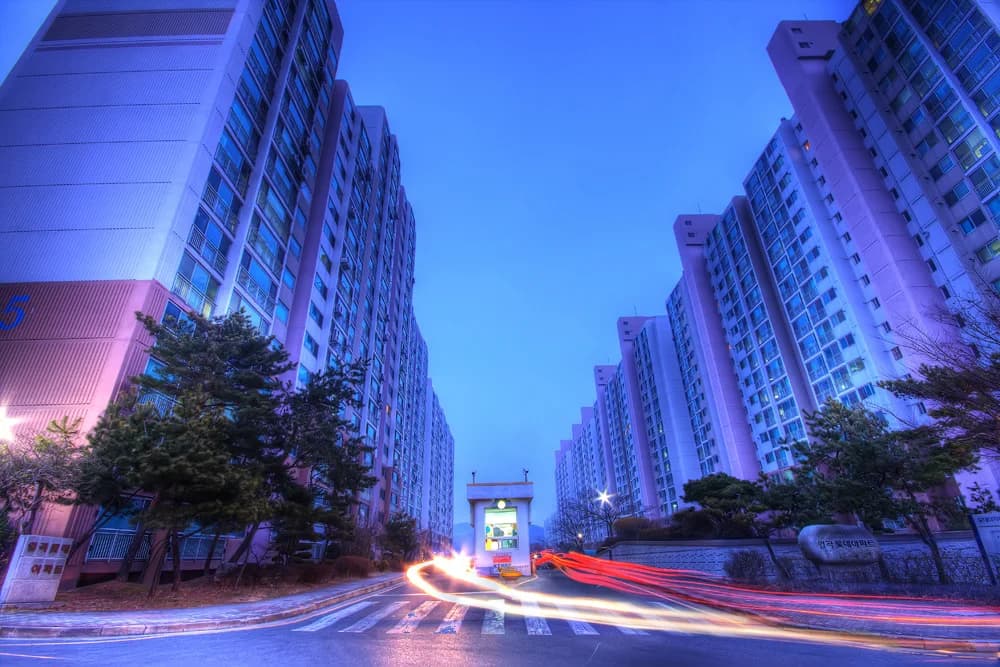
An apartment complex may put one access control at the building entrance and another on the individual unit. The first controls entry to a shared lobby; the second protects the home itself. A video intercom or wall pad can add a third step by letting the resident see a visitor and release a communal door.
That distinction matters in screen stories. A character getting through the lobby has not necessarily opened the apartment. In real life, it also means a delivery address and instruction should identify which entrance it refers to.
Do not assume a code is public because several residents use it. Building and household access details are private security information.
A Dead Battery Does Not Always Mean a Locksmith
Most residential digital locks run on batteries fitted on the indoor side. A low-battery warning should be handled early, because the exterior keypad cannot simply borrow power from the apartment wiring.
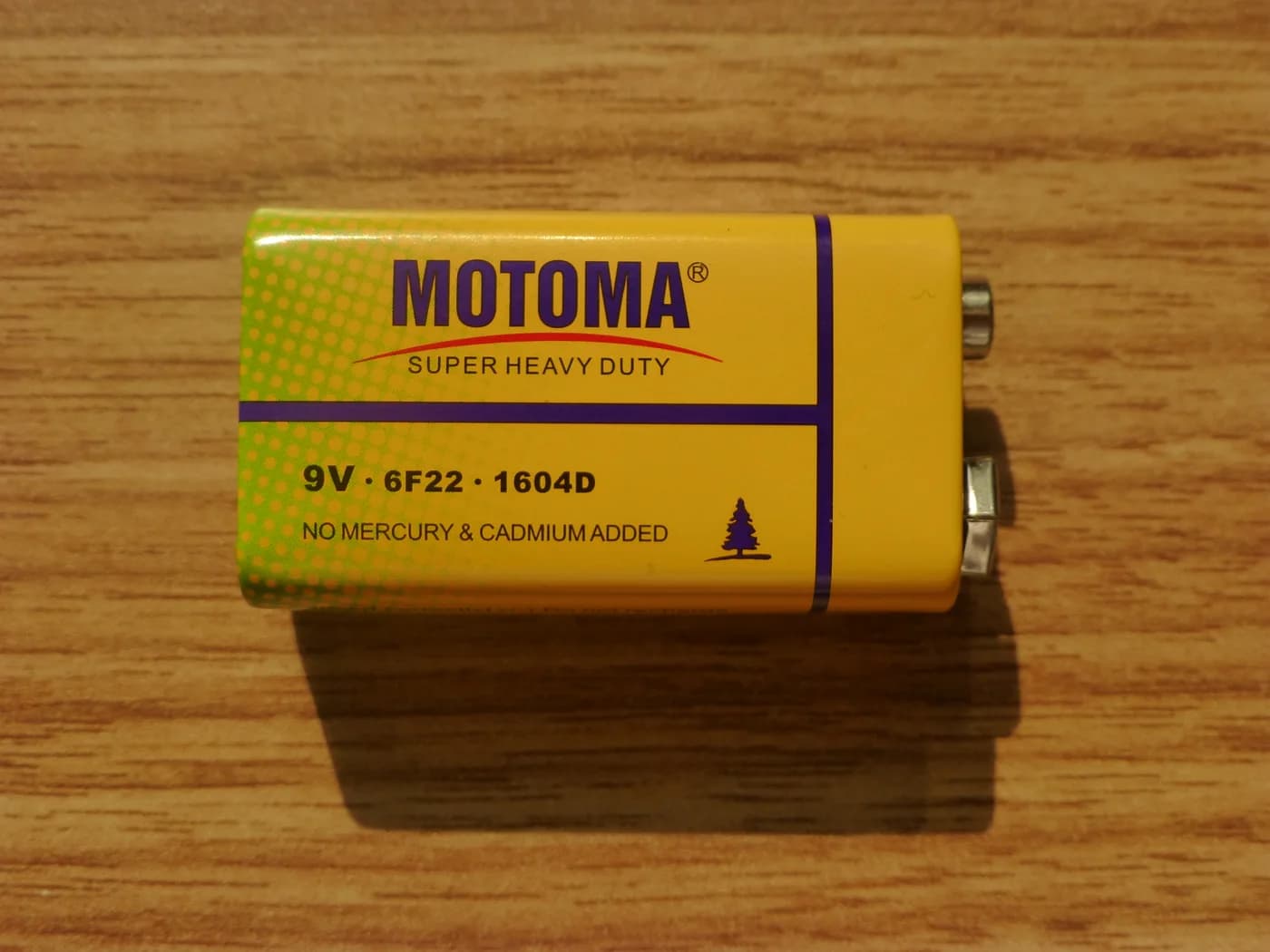
For many models, the fallback is a rectangular 9-volt battery held against emergency terminals on the exterior unit. Gateman’s official guidance says that, on its supported locks, the temporary power lets the user wake the keypad and enter the registered password; the indoor AA batteries should then be replaced after the door opens.
That is a model-specific recovery method, not permission to press random controls. First check the label or manual. If the lock has no clearly marked emergency terminals, contact the resident, landlord, building office or manufacturer.
The Password Is Part of the Household
Keyless entry removes one problem—carrying or copying a physical key—but it creates a small set of digital-house rules.
- Shield the keypad when entering the PIN in a shared corridor.
- Do not film, photograph or repeat someone else’s code.
- Change a temporary code after a guest, cleaner or contractor no longer needs access, if the model and lease allow it.
- Use the dedicated card key supplied for the lock rather than registering an unrelated transit or payment card.
- Check the closed door once instead of treating the auto-lock sound as proof.
A digital lock is only one security layer. Seoul’s own safety programs have paired digital locks with smart doorbells, indoor cameras, door-open sensors and secondary locks for eligible households. The policy makes the practical point: “digital” does not mean invulnerable.
Five Checks Make a Korean Rental Door Boring—in a Good Way
On the first day in a Korean rental, dorm or long-stay accommodation, spend two minutes on the door before you need it in a rush.
- Ask which entry method you are authorized to use.
- Confirm whether the unit locks automatically or needs a final touch.
- Learn the low-battery warning and where replacement batteries are kept.
- Save the landlord, host or building-office contact—but never save the PIN in a public note.
- Locate the model name and emergency-power markings without changing any settings.
Then the familiar screen gesture makes sense. The numbers are not futuristic decoration. They are simply the household key—moved from a pocket to a panel beside the door.